
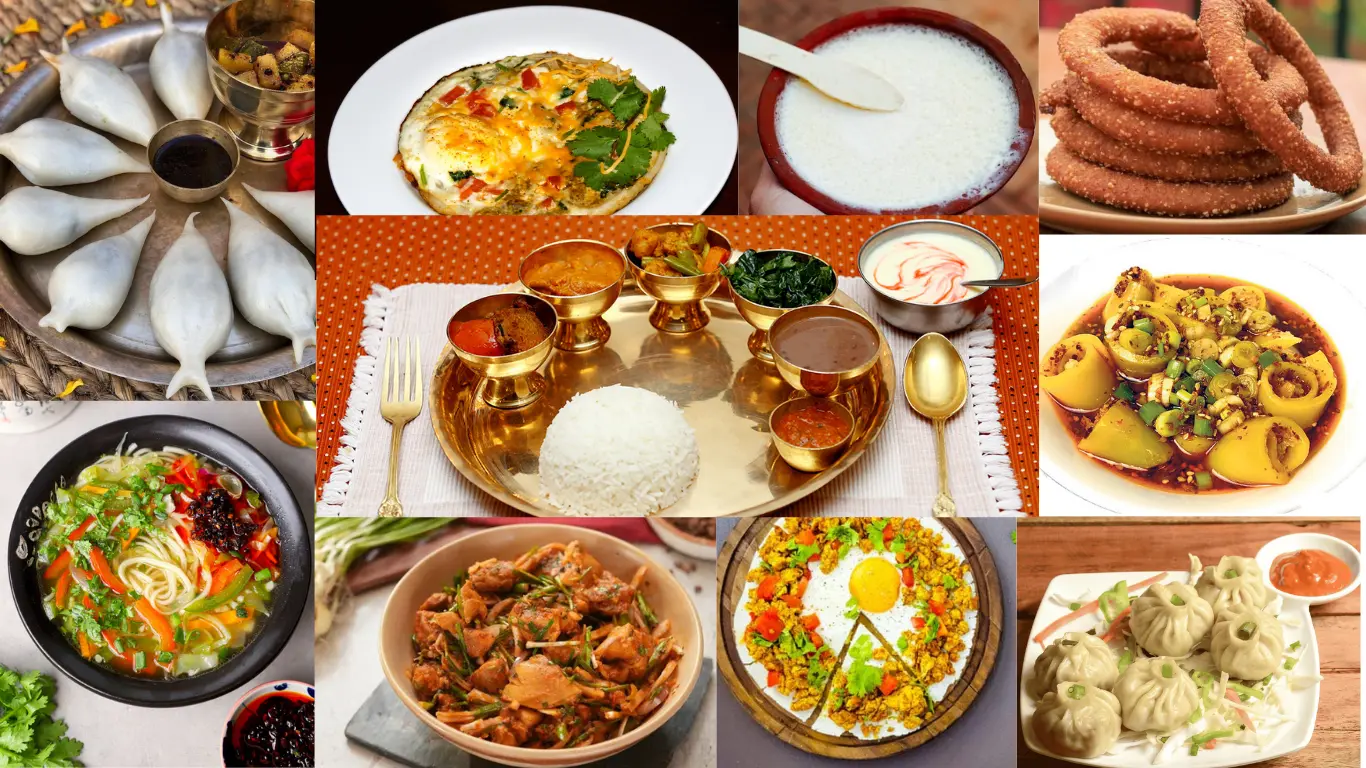
Introduction to Kathmandu’s Food Culture
Kathmandu isn’t just about temples, mountains, and narrow alleyways; it also includes the food that most visitors will find, which makes the city special. Nepal’s capital has a vibrant culinary scene with flavors from hundreds of years of trade, culture, and ethnic diversity. Whether you find yourself dining in tiny restaurants off the beaten path or in an elaborate place, there’s always a unique flavor to try.
The connection between food and life in Kathmandu is profound. The traditional food of the Newar people, Tibetan cuisine, and other authentic Nepali cuisines blend perfectly into a unique food culture that makes your stay enjoyable and fulfilling. From trying the tasty momo for the first time to enjoying the delicious thukpa, your taste buds will thank you for visiting this incredible city.
The most interesting aspect of food culture in Kathmandu is the blend of old-school and simple style cooking. Most foods are prepared by combining local produce and spices along with traditional techniques that have been used for several generations. In addition, Kathmandu is known to have adapted modern-style cafes and fusion cuisines, which help visitors to enjoy the blend of old and new. For people who are visiting Nepal for the first time, the food culture of Kathmandu is worth experiencing.
Top 10 Must-Try Foods in Kathmandu
There are countless dining options in Kathmandu, and it was tough to narrow down this list to only 10 dishes. Nepal has a wide range of foods that include traditional Nepalese cuisine, Newar cuisine, Tibetan-style foods, and many more. There are plenty of foods you can enjoy when visiting the country’s capital city.
To simplify things for beginners, this list is curated after thorough research, taking into consideration suggestions from locals, personal experiences of travelers, the significance of the cuisine in the region, and the commonality of the food item in Kathmandu's food scene. The following food items are no ordinary selections; they are among the most memorable ones you should try out when you visit the city. No matter where you go in the bustling markets, local restaurants, or even the mysterious food streets, you will not fail to taste these delicious foods.
Momo
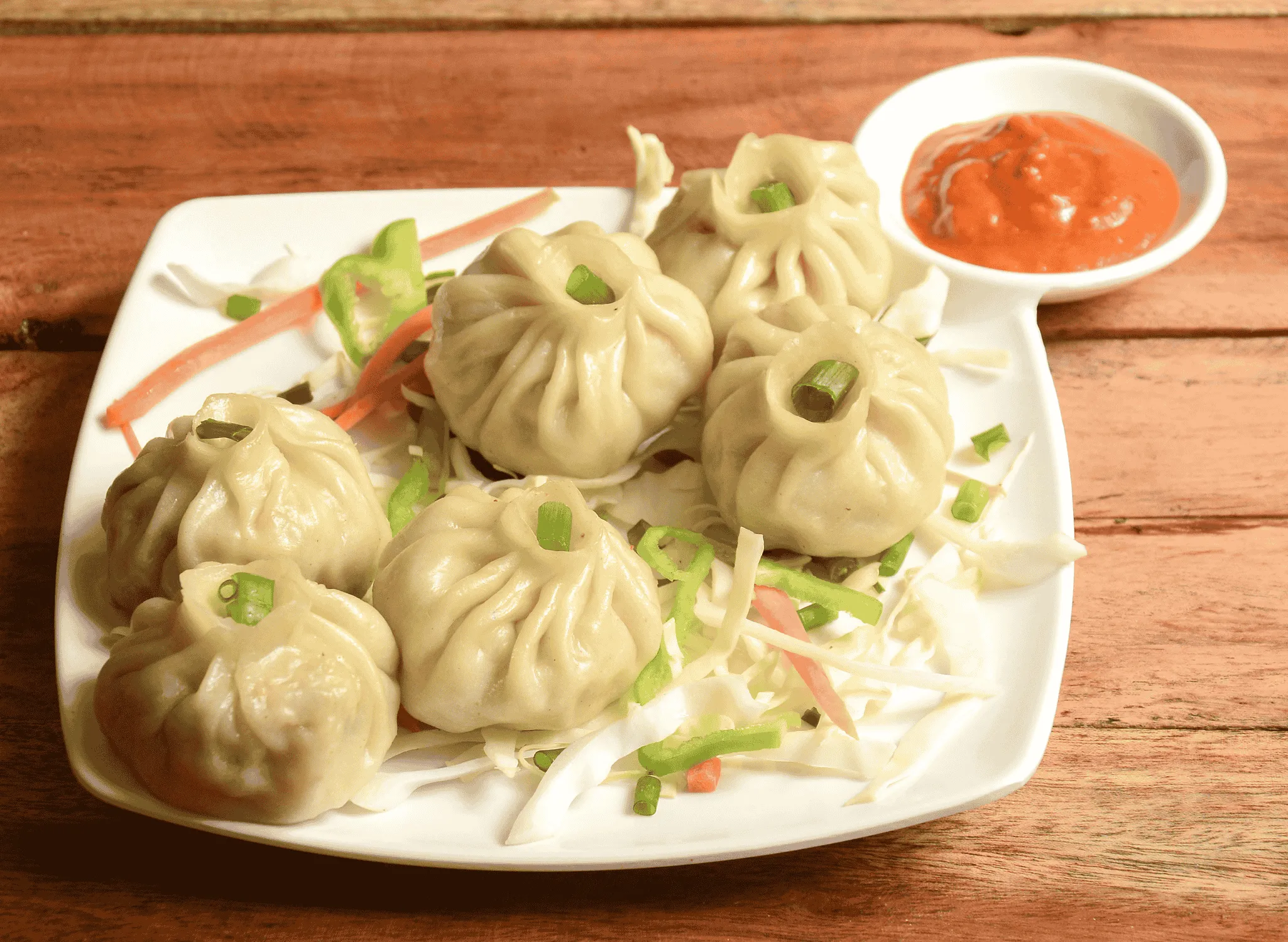
Momo is undoubtedly one of the most popular Nepalese dishes, which every person visiting Kathmandu for the first time should try out. They say that momos were invented in Tibet, but later came to Nepal because of the trade and cultural relations between Tibetans and Nepalese. For hundreds of years, they were gradually incorporated into Nepalese cuisine and became an essential part of any meal and festive dinner.
The traditional recipe includes making thin dough out of flour and filling it with chicken, pork, or buffalo meat. There are many vegetarian options too; they use paneer, potatoes, onions, cabbage, or other vegetables. The filling is stuffed in the dough with special care, and then the whole thing is steamed until tender and juicy. There is a Momo sauce that adds some kick to the dish, which is made out of tomatoes and spices. However, there are many variations of momo available nowadays, including fried, jhol, or tandoori.
Dal Bhat
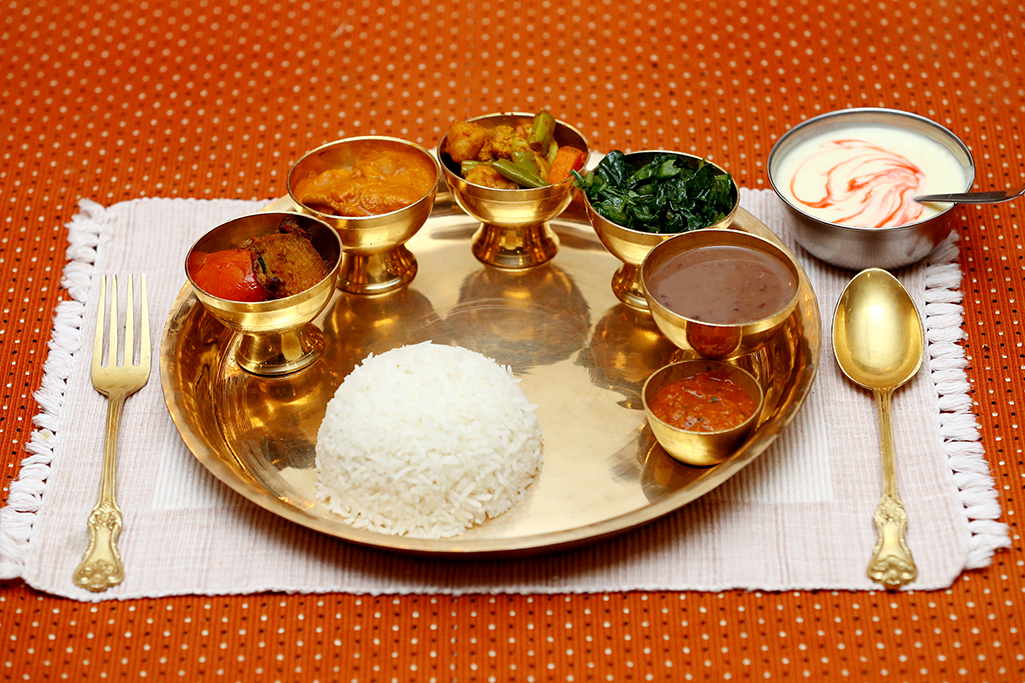
Dal bhat is an authentic dish that forms an essential part of traditional Nepali food. It is a perfect dish to consider during your initial visit to Kathmandu, especially if you wish to taste some of the best cuisines the place has to offer. Translated as "lentils and rice," Dal bhat is a delicacy that is deeply rooted in Nepal's culture and has been consumed for generations in Nepal owing to its nutritional value.
A typical dish of Dal bhat involves boiled rice and dal, which is nothing but a delicious soup prepared from lentils and other flavors such as turmeric, garlic, cumin seeds, and other spices. Dal bhat is often served along with vegetable curry, pickles, sautéed leafy greens, and meat curry or fried fish in certain regions of Nepal. Hence, it provides sufficient nutrition, including protein and carbohydrates. In addition to that, there is no doubt that the meal serves as a reflection of Nepal's welcoming and hospitable culture.
Chatamari
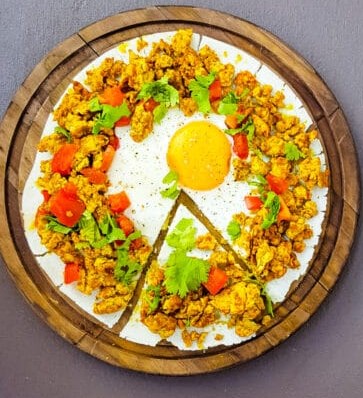
Chatamari is an authentic Newari delicacy that is sure to offer any first-time visitor a taste of the rich and vibrant culinary culture of Kathmandu. Known as “the Nepalese Pizza” due to its similarity with the famous Italian food item, Chatamari is a thin flour pancake served with toppings. It is prepared using flour made from ground-up rice and cooked until slightly crispy.
The tradition of preparing Chatamari has existed in Kathmandu for many years now, ever since the Newars (indigenous community residing in Kathmandu) began making this dish for festivals, family celebrations, and other similar occasions. The batter used for making the Chatamari is made up of rice flour, which is thinned out into a creamy paste and fried in a hot pan. The toppings usually consist of meat, eggs, onions, tomatoes, chilies, coriander, and local spices. However, the vegetarian version of the dish includes items such as paneer and mixed vegetables.
Yomari
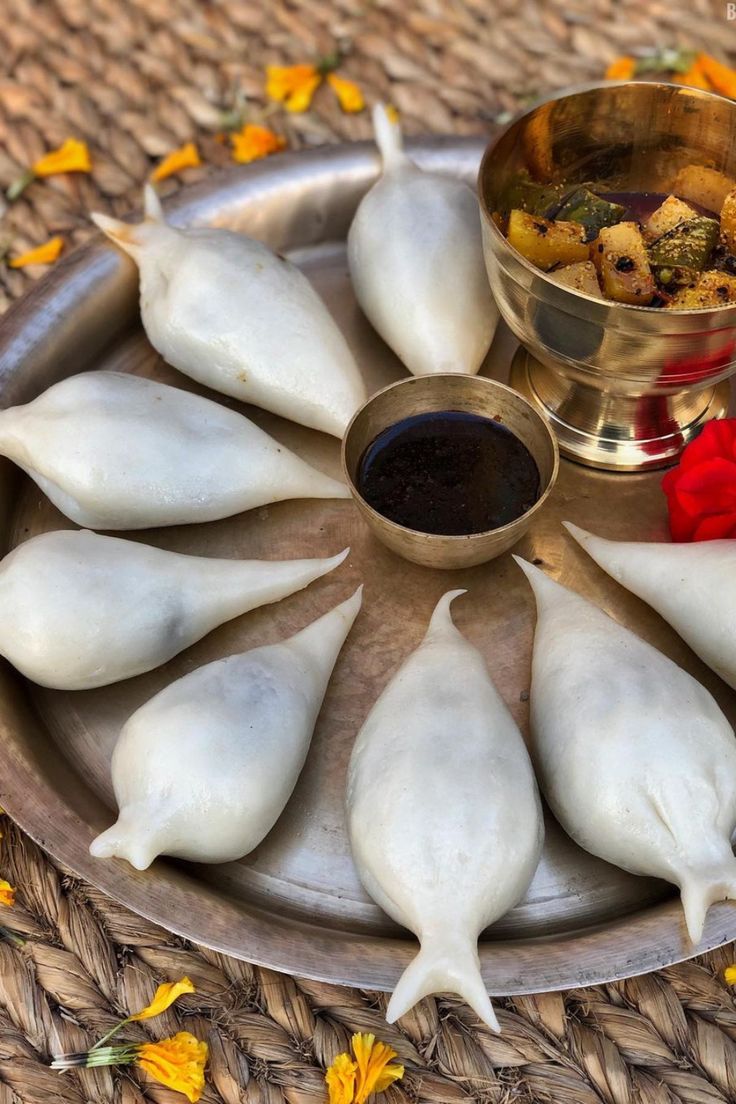
Yomari is a traditional Newari cuisine that is highly revered in Kathmandu. It was first made among the Newar people of Kathmandu Valley as a sign of prosperity, appreciation, and celebration of the rice-harvesting season. It has a unique fish-like appearance and is considered a sign of prosperity and fortune among the people of Nepal.
Yomari consists of rice flour dough stuffed with sweet components such as chaku, which is a type of sugar made from jaggery and sesame seeds. However, some contemporary versions include the use of Khuwa, coconut, or chocolate inside the dumpling. After being handmade, they are cooked using steam and become soft and chewy once served. They are sweet, warm, and slightly sticky with a totally different taste compared to other Nepalese dishes.
Sel Roti
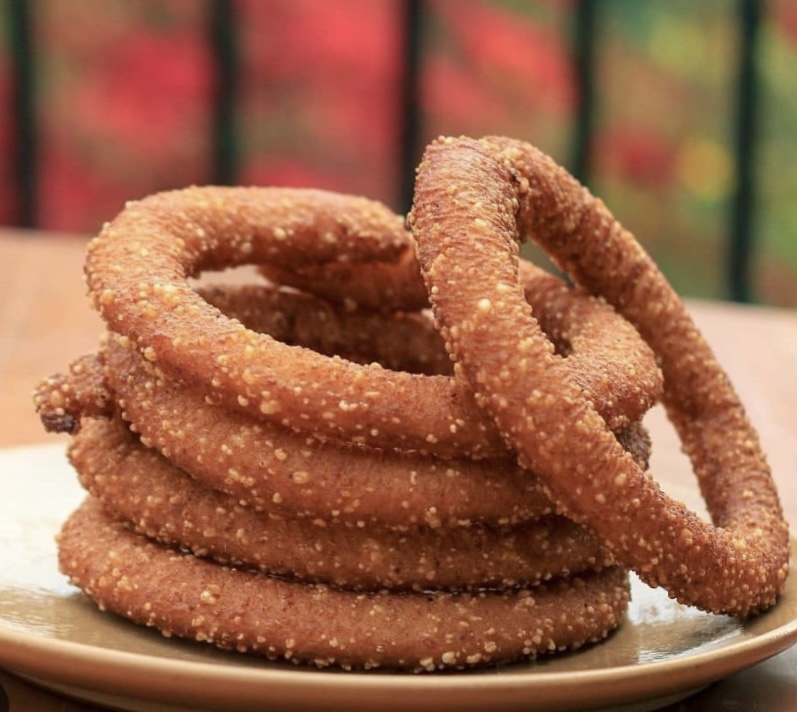
Sel Roti is one of the famous homemade dishes from Nepal, which is enjoyed by Nepalese people in Kathmandu, especially during festivals and family gatherings. The crispy and soft ring bread made using rice flour has been an essential part of Nepalese food culture for many years and has become particularly famous during some major Nepalese festivals such as Tihar and Dashain.
Sel Roti has a special cultural significance in Nepal. It has been made by soaking rice grains and mixing them with sugar, milk, cardamom, and other ingredients such as banana and ghee. The dough mixture is later poured into hot oil in the circular shape of a ring and fried. The result is a slightly crispy on the outside and soft and fluffy on the inside dish that can be served with tea, meat, and vegetable dishes.
Thukpa
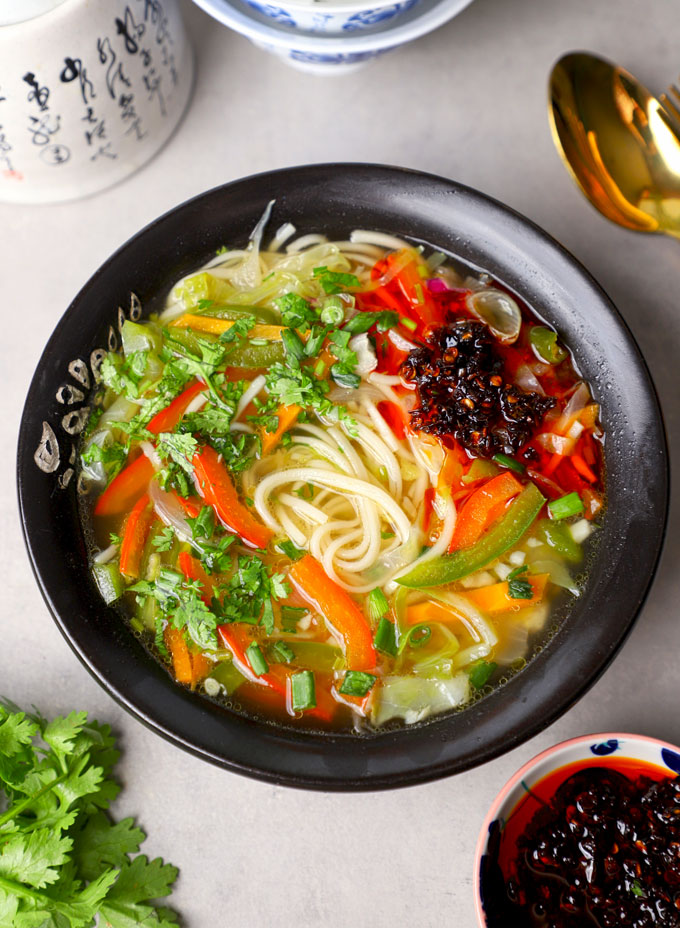
Thukpa is a delicious soup made from noodles that originates from the Himalayan region and has since become a staple dish in Kathmandu that is loved both by the natives and tourists, especially during cold periods. The dish came to Nepal via the Himalayas from Tibetan cuisine and has evolved into a significant element of Kathmandu cuisine. Today, it can be tasted at various local restaurants, Tibetan food outlets, and street food stalls in Kathmandu.
Traditional thukpa contains noodles prepared manually and placed in a broth that includes various kinds of vegetables, garlic, ginger, and other spices. Additional flavors like chicken, buffalo, or mutton are included in the broth as well, although vegetarian versions of the dish are equally popular. Thukpa is also garnished with spring onions, cilantro, and chutney, making it a perfect, cozy dish. Known for its delicious taste and warming effect on the body, Thukpa is definitely one of the best dishes to try in Kathmandu.
Choila
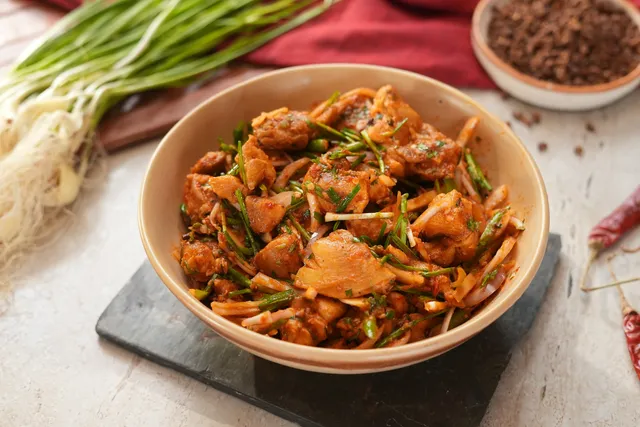
Choila is a spicy and smoky Newari dish that provides an opportunity for tourists to experience the culture of Kathmandu through the delicious cuisine. Traditionally prepared by the Newar community in the Kathmandu Valley, Choila is usually preferred during festivals and special occasions. As a signature dish, it has gained immense popularity within the country and serves as one of the renowned delicacies in Kathmandu. It can be easily found at Newari restaurants in Kathmandu.
Traditionally, Choila is made from buffalo meat, which is then grilled or roasted over fire. However, other variations, such as those prepared with chicken or mutton meat, have also been created. Choila contains mustard oil, garlic, ginger, green chili, coriander, and fenugreek seeds, along with Nepalese spices that give it a unique taste and aroma. In comparison to the sauces, Choila does not require any gravy, and thus the taste of roasted meat becomes more prominent when served with beaten rice or traditional alcoholic beverages in Nepal.
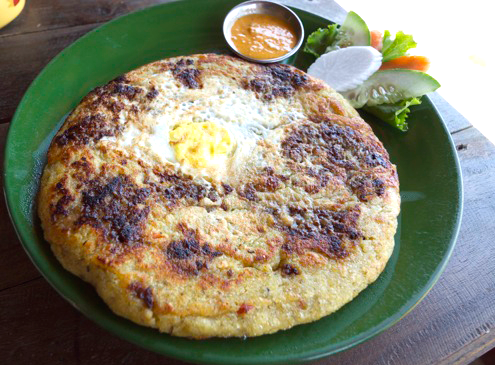
Bara
Bara is a traditional Newari pancake prepared using lentils, which is a favorite snack and meal among residents of Kathmandu. The deep connection between the food preparation process and the local culture makes Bara an important part of celebrations such as festivals and cultural events organized by the locals in Kathmandu. The simplicity of its preparation and unique taste have made Bara one of the most cherished traditional foods among locals.
The preparation of Bara starts with soaking black lentils, which are then blended together with water to form a batter with garlic, ginger, cumin, and other mild flavors. This mixture is cooked in a frying pan to form flat, thick pancakes with a soft interior and crispy surface. While plain Bara is common, the restaurant version of Bara includes additional toppings such as eggs, minced meat, and even vegetables to enhance its flavor. It is usually eaten with spicy pickles and meat curry, among others.
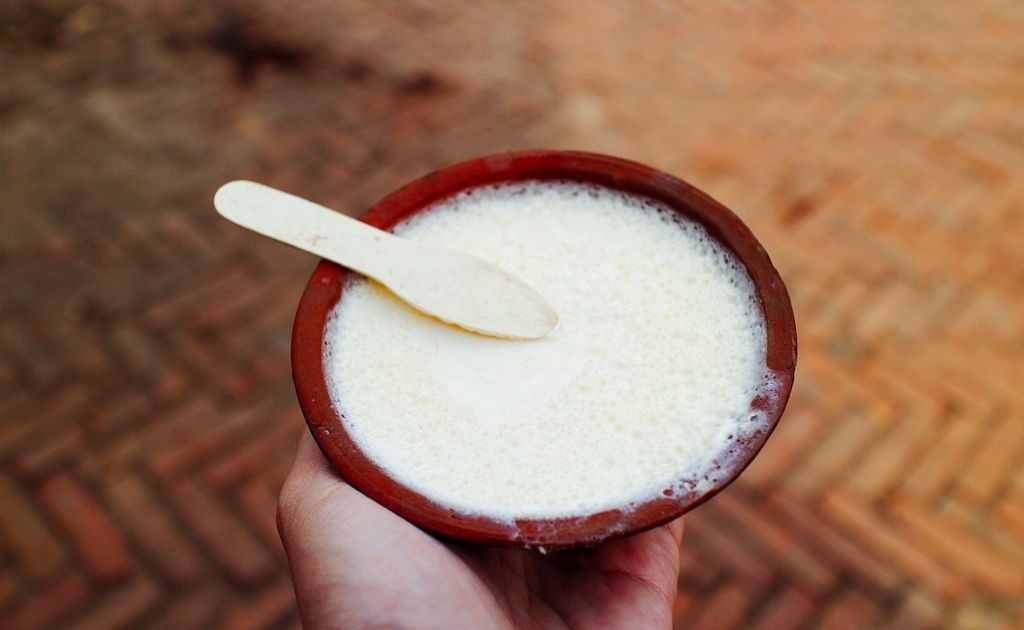
Juju Dhau
Another delicious dessert that has gained popularity in Kathmandu is Juju Dhau, which is known to be the 'King of Yogurt.' This dessert has earned its reputation among the local people owing to its unique taste and historical background. Even though the dessert is considered an integral part of the Newari culture and cuisine, nowadays, it is widely available throughout Kathmandu. Traditionally, Juju Dhau was used in festivals and ceremonies to symbolize purity and prosperity.
This delicious dessert is made from buffalo milk, giving the yogurt its distinctive thick consistency and rich taste. To obtain such consistency, the milk is first boiled, cooled, and fermented using the natural yogurt bacteria and clay pots. Moreover, Juju Dhau does not contain any added ingredients; it only includes natural sweeteners, which make the dessert quite sweet but also very light. The dessert has a creamy texture and slightly sour taste, which makes it an ideal dessert after a hot and spicy Nepalese dish.
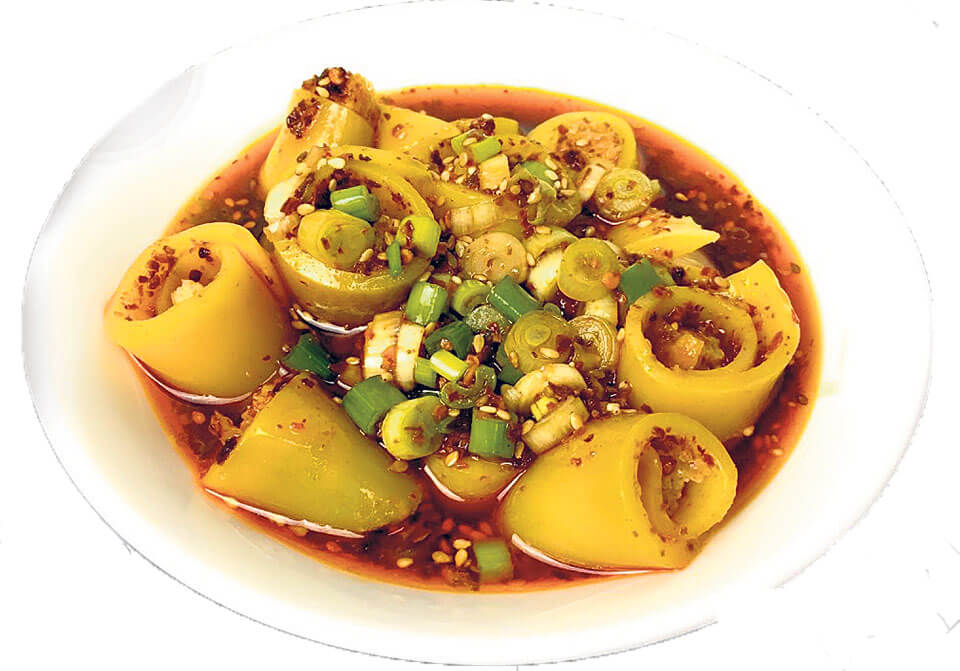
Laphing
Laphing is a popular street snack that has become extremely popular among young people and food enthusiasts in Kathmandu. Its origins lie in Tibetan cuisine; it entered Nepalese cuisine via Tibetans who settled in Nepal, eventually growing its popularity in the region to be regarded as one of the favorite snacks available on the streets and at markets. Currently, Laphing is often available in places such as Boudha and Thamel, where it is prepared fresh and offered to local people as well as foreigners visiting Kathmandu for a fiery snack.
Laphing is prepared using mung bean or potato starch, which is cooked to create a gelatinous sheet of noodles. The slippery noodles are drenched in hot chili oil, soy sauce, vinegar, garlic, and sauces based on sesame seeds, creating an extremely flavorful dish. Some preparations are completely dry, while others may have a little extra sauce added to them. Laphing is consumed cold and thus provides a great contrast to other spicy dishes of Nepal.
Final Thoughts on Kathmandu’s Local Food Experience
The food culture in Kathmandu is one rare thing that leaves an impression on your mind even after returning from the destination. It is not only the sightseeing tours that make Kathmandu memorable, but also the tastes and flavors that give you a deeper understanding of the destination through its cuisine. Every dish has a story, and each dish has something to tell, from the comforting dal bhat to spicy thukpa and unique Newari cuisine.
What truly sets the culinary scene of Kathmandu apart is the authenticity. It is often possible to find some of the most delicious dishes in the smaller, local restaurants, on the street carts, and in the nooks and crannies packed with local residents who have come to enjoy their favorite dishes each day.
For a first-timer, sampling local cuisine is not only about trying new dishes. It is also about experiencing the pulse of Kathmandu, connecting with people over meals, and making memories that feel genuine and personal. No matter how long you spend there, visiting Kathmandu’s local food culture is sure to be one of the best parts of your time in Nepal.


.webp)
showing comments