
Duration
21 days
Activity
Mountaneering
best season
Summer
Accommodation
Tea House and Camping
Destination
Annapurna Region
New Offers !!! 2026 New Booking open With 10% Discount

 iconic summary
from2Reviews
Guides And Language
facility
Value For Money
Service
Location
Overviews
Pisang Peak climb is a beautiful and fairly symmetrical peak in Annapurna region with a steady climb along a well-defined ridge to the summit. At 6091m, Pisang Peak is the most popular trekking peak in the Annapurna region and can be climbed by most, but it doesn’t come without challenge or commitment.
This peak is best for those with previous climbing experience as there are technical sections to contend with. The rapid gain on elevation from Pisang village to the Summit of Pisang peak also takes its toll but we have devised a proper itinerary with 2 acclimatization days before the summit to help mitigate the risk of altitude sickness.
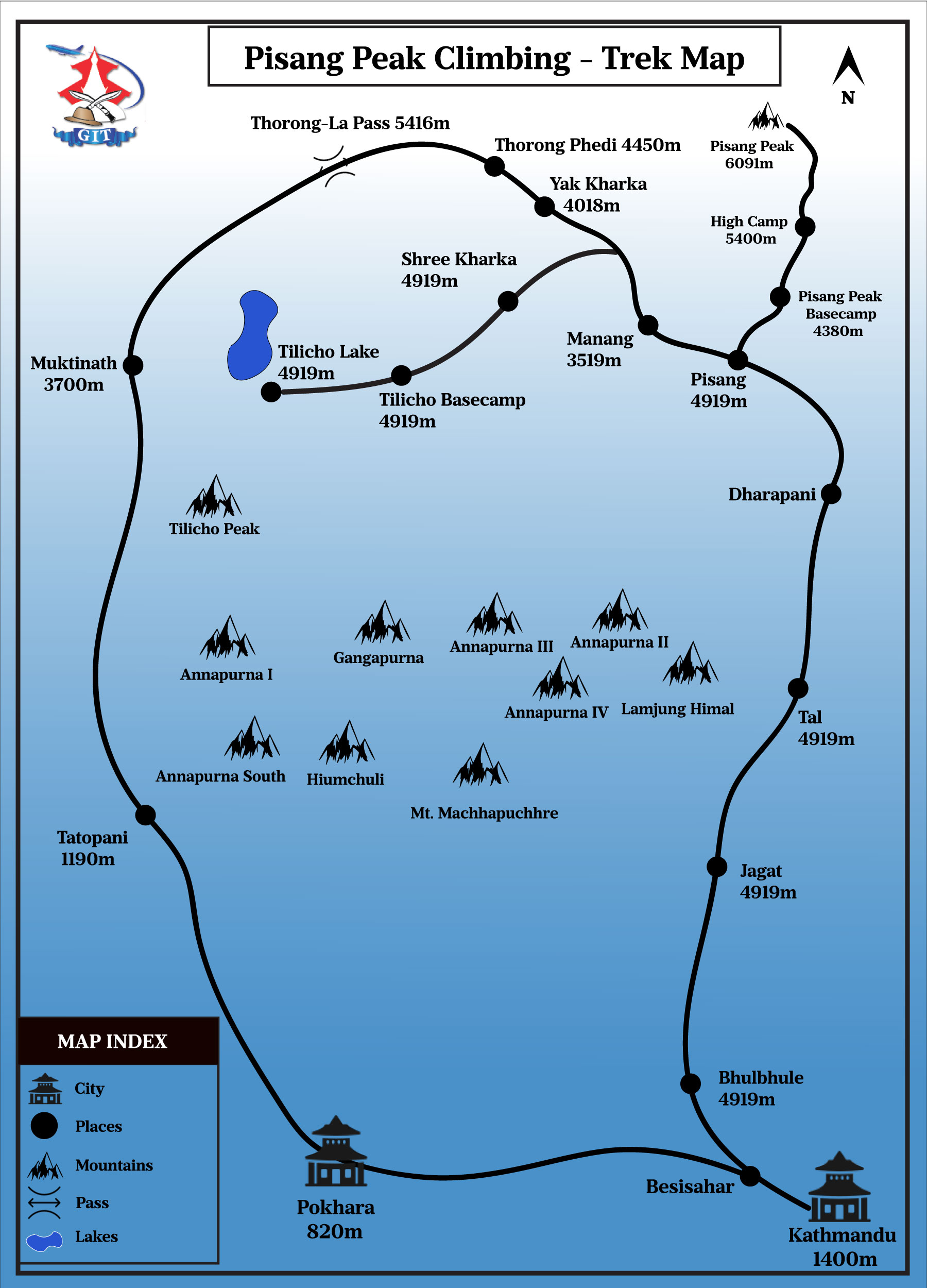
We approach via the West Ridge of the mountain to the summit. A base camp at 4380m and a high camp at 5200m will be pitched before moving up to the summit allowing us to rest and acclimatize properly. The climb from the base camp involves a steep ascent on mix terrain. The route to the summit from high camp involves technical rock section and the upper part is steep and fairly exposed slopes of ice and snow (55°).
Pisang Peak (6,091m/19,983ft) presents a moderately challenging climb, making it an ideal choice for trekkers transitioning to mountaineering. While not requiring extensive technical skills, the ascent demands good physical fitness and basic mountaineering experience. The peak's difficulty level strikes a balance between adventure and accessibility, attracting both novice climbers and seasoned trekkers looking to push their limits. The final approach to the summit involves navigating steep snow and ice slopes, requiring the use of crampons, ice axes, and ropes.
The journey to Pisang Peak base camp is seamlessly integrated into the renowned Annapurna Circuit trek. This multi-day adventure begins in Besisahar, following the Marsyangdi River valley through a diverse landscape of terraced fields, subtropical forests, and high-altitude deserts. Trekkers pass through charming villages like Pisang and Manang, offering glimpses into the rich Nepali culture. The trek's gradual ascent allows for proper acclimatization, crucial for the subsequent climb. Highlights include crossing the Thorong La Pass (5,416m) and visiting the sacred pilgrimage site of Muktinath.
Climbers must obtain two essential permits:
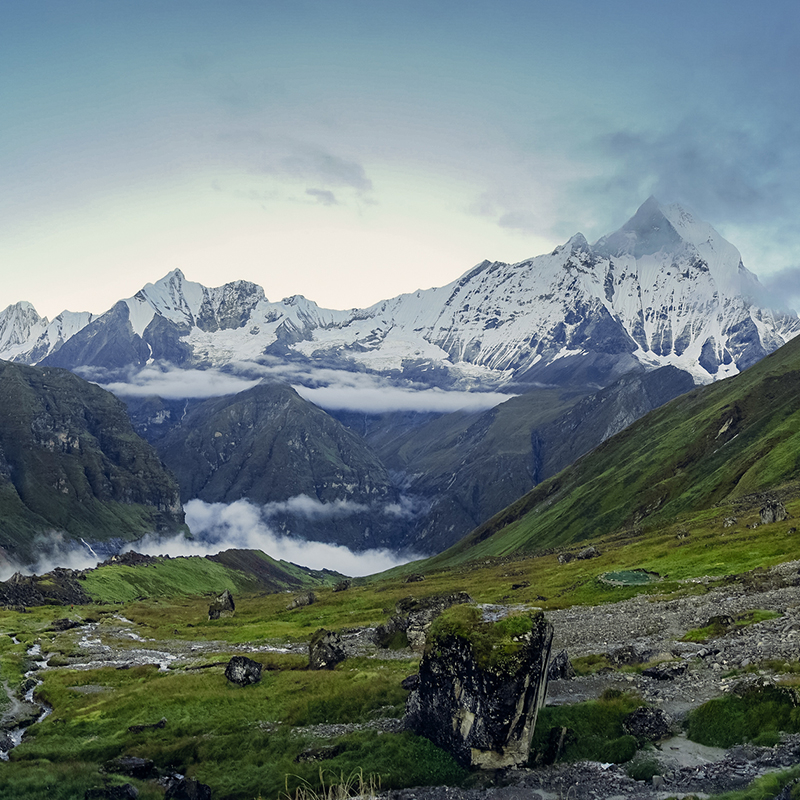
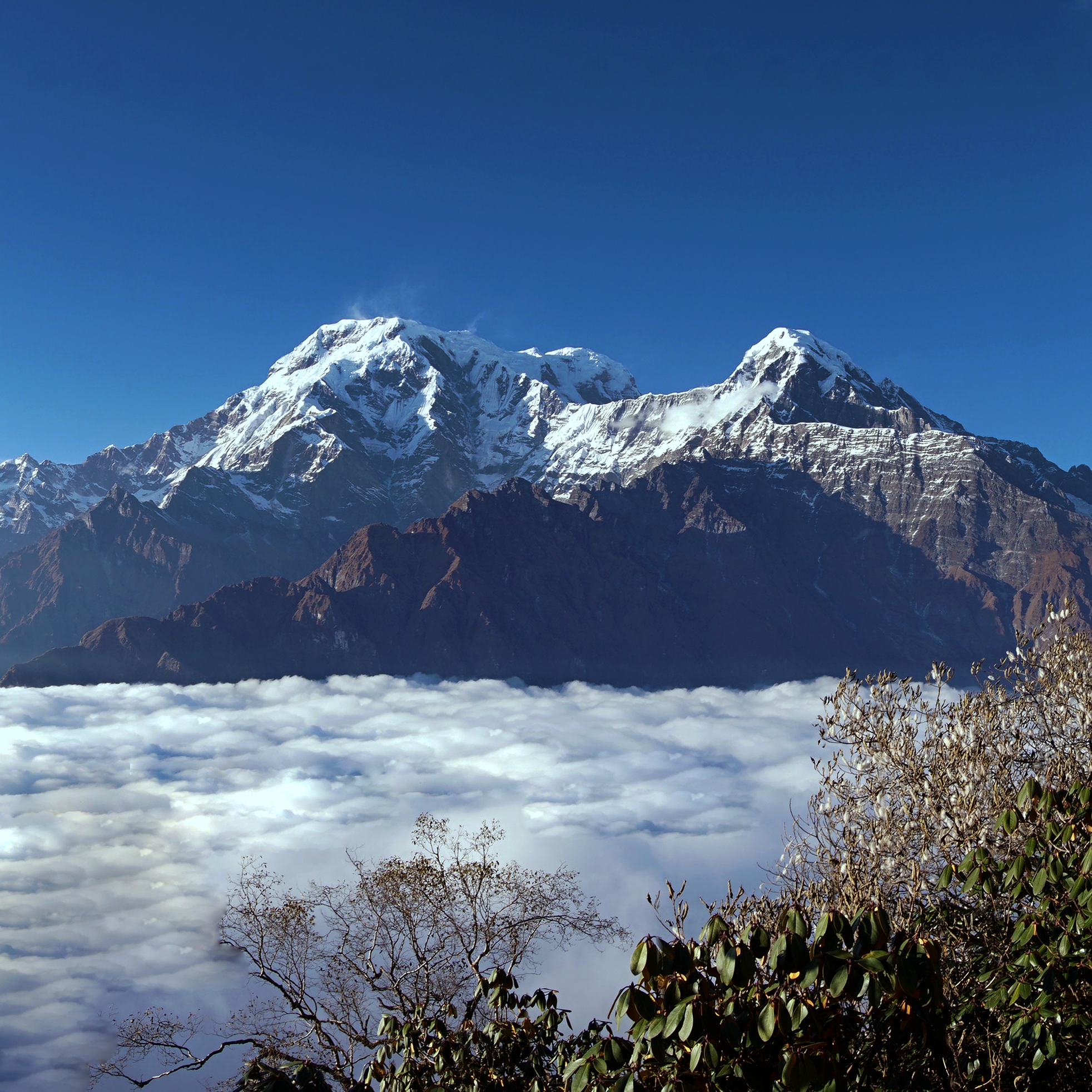
Situated in Nepal's Manang district within the Annapurna region, Pisang Peak stands proudly north of Manang Village. Its strategic location offers climbers unparalleled views of the Annapurna massif, including Annapurna II, III, and IV, as well as Gangapurna and Tilicho Peak. The peak's proximity to the Annapurna Circuit trail makes it an attractive side trip for adventurous trekkers.
Climbing Pisang Peak offers a unique blend of cultural immersion and high-altitude adventure. The experience typically includes:
This comprehensive Pisang Peak adventure combines the cultural richness of the Annapurna region with the exhilaration of conquering a Himalayan peak, creating memories to last a lifetime.
route map for Pisang Peak Climbing
 Itinerary
Arrival at Tribhuvan International Airport (TIA), Nepal. Upon completing the visa formalities and collecting your luggage in the airport, kindly proceed to the exit of the arrival hall. Your trip leader will await you just outside the arrival hall and will escort you to your hotel in Kathmandu. Please lookout for a play card of Gorkha International Travels at the exit of the arrival hall. Welcome drinks will be served and after you’ve refreshed, your trek/climb leader will brief you about your trip in the lobby of your hotel in the evening. Get familiar with your surroundings by taking a walk down the street. Our team will be there for your assistance.
After your restful night in Kathmandu, you will be well informed about gear preparation for the trek. In the evening, you will be briefed by the leader of your adventure about your trekking program the next day. In case you have fallen short of any trek and climb equipment that you may need, this time can be used to arrange for it. There are plenty of shops in the Thamel area for purchasing the trekking gears.
During this day, after an early morning breakfast, we will head west and follow the Prithvi Highway along Trishuli River to the homeland of Central Himalaya including Annapurna, Dhaulagiri and Machhapuchhre. The road we are travelling offers an opportunity to have a view of rustic Nepal that comprises green hills, river, villages and snow-clad mountains at the backdrop. We will part our ways with the Highway at Dumre and choose the branched off route to Besisahar and continue to Jagat where we will stay overnight at a lodge. This drive will have short breaks included in it as this long drive can be exhausting.
Early in the morning, we will lower down from Jagat village and follow the winding path along the Marsyangdi River to the forest. A brief walk through the sprawling forest will take us to Chamje village (1430m) from where we will cross the river and continue walking along its eastern edge. The trail takes brief to ascend to the big village of Tal (1675m). Being clustered with tea houses and lodges, it will be a fine idea to take our lunch at Tal. Enjoy the lunch in a serene atmosphere with mesmerizing natural views of surrounding valleys at Tal and take gradual ascend to Karte village. We need to cross the river at several points and move past the valley and pretty tiny villages. Finally, after a day of diverse terrains and breathtaking scenery, we'll arrive at Dharapani, our resting place for the night, where we can relax and prepare for the next leg of our adventure.
Departing from Dharapani, we'll venture west along a rugged trail that leads us to the Marsyangdi River. Following the river's course uphill, we'll make our way towards the expansive Manang Valley. Throughout our journey, we'll be treated to awe-inspiring views of the majestic Annapurna II (7937m) and Annapurna IV mountains, their snow-capped peaks piercing the sky.
As we traverse this region, we'll encounter local communities where trade with Tibet remains the primary livelihood. Tracing an ancient trade route, we'll ascend through dense forests of oak and maple to reach Dhanakyu (2290m). The path becomes more challenging as we navigate a rock-strewn terrain to arrive at Latemarang village (2360m), offering a glimpse into traditional mountain life.
Continuing our ascent through forested ridges, we'll reach Koto (2590m), a small settlement with stunning mountain vistas. From here, a descending trail will guide us to Chame (2670m), the administrative center of the region. Chame welcomes us with breathtaking panoramas of Lamjung Himal, Annapurna II, and Annapurna IV, their imposing silhouettes dominating the horizon.
In Chame, we'll find comfortable accommodations for the night, allowing us to rest and acclimatize. This bustling mountain town offers a perfect blend of local culture and trekking amenities, providing an ideal base to reflect on our journey so far and prepare for the adventures that lie ahead in our Pisang Peak climbing expedition.
Leaving Chame, we will cross over to the northern side of the river from where the trail stretches uphill through apple orchards to Bhratang village (2840m). This is marked as an old Khampa community. There will be a change in terrain from this point. The trail becomes more challenging as we navigate a rock-strewn path through a narrow valley blanketed with dense thickets. The air grows thinner, and the vegetation shifts to reflect the higher altitude.Emerging from the forest, we'll encounter the river once again. A suspension bridge, hovering at an elevation of approximately 3040m above sea level, will carry us across the rushing waters. This crossing marks a significant milestone in our journey, both in terms of altitude and scenery.
As we progress, we'll be treated to our first awe-inspiring view of the Paungda Danda, an immense rock face that rises dramatically 1500 meters from the river. This natural wonder, often referred to as the 'Great Wall of Pisang', is a testament to the raw power and beauty of the Himalayan landscape. Our path continues along a ridge adorned with colorful prayer flags fluttering in the mountain breeze and stone cairns left by previous trekkers. These spiritual markers guide us towards our destination, Pisang, while reminding us of the sacred nature of these mountains to the local people.
Upon reaching Pisang, we'll take time to visit the local gompa, or monastery. This serene place of worship offers insight into the Buddhist traditions that shape life in this high-altitude region. As the day draws to a close, we'll settle into a cozy teahouse for the night, reflecting on the day's journey and preparing for the challenges that lie ahead in our ascent of Pisang Peak.
The first acclimatization day of our trip. This day marks a crucial point in our journey as we dedicate this day to rest and acclimatization at Upper Pisang. Situated at an elevation of 3,700 meters (12,140 feet), this strategic pause allows our bodies to adjust to the increasing altitude, reducing the risk of altitude sickness as we prepare for the challenging climb ahead.
During this day, we'll engage in light activities to aid acclimatization while conserving energy. A short hike to nearby viewpoints will help maintain our fitness and offer breathtaking panoramas of the Annapurna range. We'll take time to explore the unique Tibetan-influenced culture of Upper Pisang, visiting its ancient monastery and interacting with friendly locals.
Our guide will conduct an essential gear check and provide a detailed briefing on the upcoming ascent of Pisang Peak. We'll use this opportunity to rest, hydrate well, and mentally prepare for the demanding days ahead. The evening will be spent relaxing in our teahouse, sharing stories with fellow trekkers, and enjoying hearty, nutritious meals to fuel our bodies for the impending climb.
After breakfast, we will make our way to the Pisang Peak Base Camp. This short trail takes us through thin forests and alpine grasslands. This grassland is called “Kharka,” which means pasture for yak grazing. This is the beginning of our more challenging ascent as we depart Upper Pisang for Pisang Peak Base Camp. We'll start early, fueled by a hearty breakfast and excitement for the journey ahead. The trail leads us through sparse juniper woodlands and across rocky terrain, gradually climbing higher into the alpine zone. As we ascend, the vegetation becomes sparser, replaced by a rugged landscape of loose scree and boulders. The thin air reminds us of our increasing altitude, necessitating a slow and steady pace.
Throughout our trek, we'll be treated to expanding views of the Annapurna range, with Annapurna II and IV dominating the skyline. The path becomes steeper as we approach Base Camp, requiring careful footing and frequent rest stops to catch our breath. After approximately 5-6 hours of challenging hiking, we'll reach Pisang Peak Base Camp, situated at an elevation of around 4,380 meters (14,370 feet). Here, amidst a rocky amphitheater surrounded by towering peaks, we'll set up our tents for the night. Our team will prepare a nutritious meal as we settle into our high-altitude abode. The evening will be spent resting, acclimatizing further, and preparing our gear for the summit push. Our guide will provide a comprehensive briefing on the route ahead and safety protocols for high-altitude climbing.
As night falls, the stars emerge with incredible clarity in the thin mountain air, offering a spectacular celestial display before we retire early in anticipation of the demanding day ahead. We set our camp here. Overnight stay at Pisang Base Camp.
This day will be dedicated to crucial preparation and training at Pisang Peak Base Camp. We'll spend the entire day here, further acclimatizing to the altitude and honing our climbing skills for the summit attempt. After breakfast, our experienced mountain guides will lead an intensive climbing course. This hands-on training session will cover essential techniques for glacier travel, ice axe use, and cramponing. We'll practice rope work, including tying essential knots and setting up anchors. The guides will also demonstrate proper use of harnesses and other safety equipment, ensuring everyone is comfortable with the gear.
In the afternoon, we'll conduct a thorough equipment check. Each climber's personal gear will be inspected to ensure it meets the standards required for a safe ascent. Any necessary adjustments or replacements will be made at this time. The team will then review the detailed route plan for the summit push. We'll discuss potential challenges, weather considerations, and establish clear communication protocols. This is also an opportunity to address any individual concerns or questions. Throughout the day, we'll focus on proper hydration and nutrition, crucial for maintaining strength at high altitudes. Our cooks will prepare energy-rich meals to fuel our bodies for the challenge ahead.
As evening approaches, we'll have a final team meeting to confirm roles and responsibilities for the summit attempt. Early retirement is essential, as we'll need to start our ascent in the pre-dawn hours. With a mix of excitement and nervous anticipation, we'll settle into our tents, mentally preparing for the most demanding part of our expedition.
We'll start our day early, rousing before dawn to begin our ascent to Pisang Peak High Camp. After a hearty breakfast designed to fuel our climb, we'll break camp and set out on the challenging trek ahead.
The path from Base Camp to High Camp is steep and demanding, requiring careful navigation over rocky terrain and occasional snow patches. We'll ascend gradually, gaining significant altitude over a relatively short distance. The air continues to thin as we climb, making each step more challenging and reinforcing the importance of our previous days of acclimatization. As we climb higher, the landscape transforms dramatically. The last vestiges of vegetation give way to a stark, alpine environment of rock and snow. We'll be treated to increasingly spectacular views of the surrounding Annapurna range, with each rest stop offering a new perspective on these majestic peaks.
After approximately 3-4 hours of strenuous climbing, we'll reach Pisang Peak High Camp, situated at an elevation of about 5,400 meters (17,700 feet). This will be our launching point for the summit attempt. Upon arrival, our team will quickly set up camp, establishing a secure site for our tents amidst the rocky terrain. The remainder of the day will be spent resting and making final preparations for the summit push. Our guides will conduct a last equipment check and brief us on the plan for the summit attempt, including expected weather conditions and any last-minute adjustments to our strategy.
We'll enjoy an early dinner, focusing on high-energy foods to prepare our bodies for the challenge ahead. As the sun sets, painting the surrounding peaks in golden hues, we'll retire to our tents for a few hours of rest. The anticipation of the impending summit attempt will be palpable as we try to sleep, knowing that in just a few short hours, we'll be embarking on the final push to the summit of Pisang Peak.
Our day begins in the dark, pre-dawn hours. After a quick, light breakfast and some warm tea, we'll gear up and begin our summit push around 2:00 AM. Headlamps illuminate our path as we start the steep ascent from High Camp. The initial climb involves navigating over rocky terrain, which gradually gives way to snow and ice. We'll rope up in teams, using our crampons and ice axes to tackle the increasingly steep and icy slopes. The thin air at this altitude makes every step challenging, requiring frequent short breaks to catch our breath.
As we climb higher, the eastern sky slowly brightens, revealing the surrounding Himalayan giants. The final push to the summit is the most demanding, requiring all our physical and mental strength. After about 4-5 hours of grueling ascent, we reach the summit of Pisang Peak at 6,091 meters (19,984 feet). At the top, we're rewarded with breathtaking 360-degree views of the Annapurna range, Manang Valley, and beyond. We'll take time for photos and to savor our achievement before beginning our descent, as it's crucial not to linger too long at this extreme altitude.
The descent, while less physically demanding, requires intense concentration to navigate safely over the now-softening snow. We'll return to High Camp for a short rest and to collect our gear, then continue down to Base Camp. This long day of climbing and descending typically takes 10-12 hours in total. Upon reaching Base Camp, we'll be greeted with warm drinks and a hearty meal. Despite exhaustion, there will be a sense of elation and accomplishment as we reflect on our successful summit. We'll spend the night here, resting our tired bodies and beginning to process the incredible experience of standing atop Pisang Peak.
This day is strategically built into our itinerary as a contingency or buffer day, a crucial element in high-altitude mountaineering expeditions. Its primary purpose is to provide flexibility in our schedule, accounting for unpredictable factors that could affect our summit attempt. If we successfully summited Pisang Peak on Day 11 as planned, this day serves as a welcome opportunity for rest and recovery at Base Camp. We'll use this time to rest our bodies, allowing muscles to recover from the intense exertion of the summit push. It's also a chance to reflect on our achievement, share stories, and perhaps celebrate our successful climb with the team.
However, if weather conditions or other unforeseen circumstances prevented our summit attempt on Day 11, this contingency day allows us a second opportunity to reach the peak. Mountain weather can be highly unpredictable, and safety is always our top priority. Having this extra day increases our chances of a successful and safe summit experience. In the event we need to use this day for a delayed summit attempt, we'll follow a similar schedule to Day 11, with an early morning start for the climb.
If not needed for the summit, this day can also be used to slowly begin our descent, allowing for a more gradual return to lower altitudes. This can be beneficial for those who might be feeling the effects of high altitude and need extra time to acclimatize on the way down. Our guide will make the final decision on how to best utilize this day based on group condition, weather forecasts, and overall expedition progress. Regardless of how it's used, this contingency day is a valuable buffer that enhances both our chances of success and our safety margin in the challenging environment of high-altitude mountaineering.
Having conquered the summit of Pisang Peak, a sense of accomplishment and exhilaration fills the air. Today, we embark on a descent back to the familiar trails of the Annapurna Circuit. The journey retraces our steps, offering a new perspective on the landscapes we've already traversed. As we descend, the mountain vistas gradually unfold, revealing the grandeur of the Annapurna massif in all its glory. The crisp mountain air and the rhythmic cadence of our steps provide a soothing counterpoint to the adrenaline rush of the summit.
Reaching Manang, a charming village nestled amidst fertile fields and snow-capped peaks, feels like returning to a familiar embrace. The rest of the day is yours to unwind and explore. Immerse yourself in the vibrant local culture, indulge in delicious local cuisine, or simply relax at your teahouse, allowing your body to recuperate from the summit climb. The town of Manang offers a welcome respite, a chance to recharge and prepare for the next phase of your adventure.
Leaving the comforts of Manang behind, we embark on an upward journey towards Yak Kharka. The trail winds its way through a landscape that gradually transforms, with verdant fields giving way to rocky terrain as we ascend higher. The air grows thinner, and the mountains seem to rise even closer, their grandeur becoming increasingly apparent. We will follow the narrow path to Tenki village (3620m) that locates above Manang. We will walk through the alpine meadow. Taking brief ascent, we will head northwest up the valley of Jarsang River. We will head north and pass through a trail lined with juniper trees to reach Gunsang (3930m).
As we climb, the world below unfolds, revealing a patchwork quilt of fields and villages nestled amidst the towering peaks. We get to see Gangapurna (7454m) and Annapurna III (7555m) Mountains from most of the point. Yak Kharka, our destination for the day, emerges as a picturesque oasis amidst the rugged terrain. Here, we'll spend the night, surrounded by the serene beauty of the Himalayas, allowing our bodies to acclimatize to the increasing altitude.
After spending a night at Yak Kharka, we embark on a gradual ascent towards Thorong Phedi, our final stop before the daunting Thorong La Pass. We will follow the rugged trail to Letdar (4250m). From Letdar, we will follow the ascending trail to Jarsang River. The trail winds its way through a landscape that transforms from lush green valleys to a stark, rocky terrain. Walking along the eastern edge of Jarsang river, we will ascend to Thorong Phedi (4450m).
With each step, the altitude increases, and the air grows thinner, demanding greater exertion. Yet, the rewards are immense. As we climb higher, the panorama unfolds, revealing a majestic tapestry of snow-capped peaks. The Annapurna range stands tall, a breathtaking spectacle that fuels our determination. Thorong Phedi, our destination for the night, emerges as a small cluster of teahouses nestled amidst this dramatic landscape. Here, we'll rest, acclimatize, and prepare for the arduous climb to come.
This day marks a pivotal moment in your journey, as we embark on the challenging yet rewarding ascent to the Thorong La Pass. The day begins with an early start, fueled by anticipation and a sense of adventure. The trail ascends steadily, traversing a lunar-like landscape of rocks and scree. With each step, the altitude increases, demanding greater physical and mental exertion. The rarefied air and the stark beauty of the surroundings create a truly humbling experience.
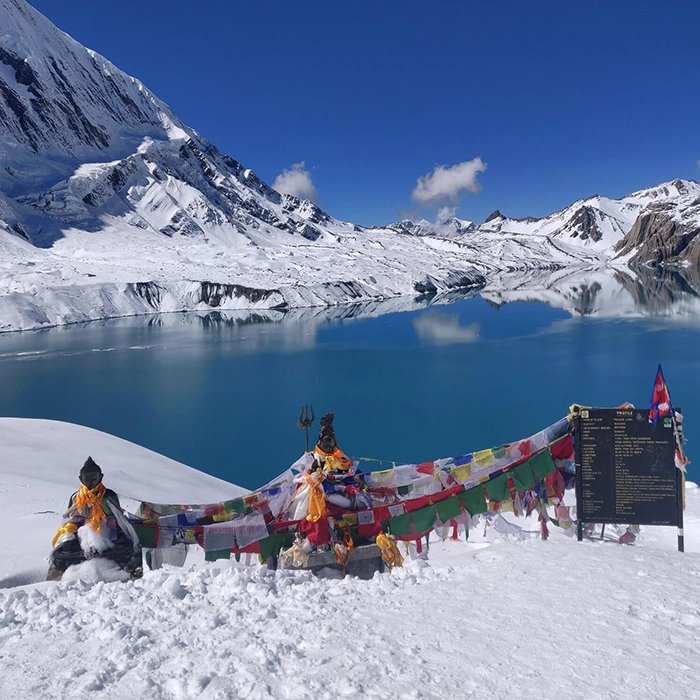
Finally, the summit of Thorong La, a formidable pass at 5,416 meters, comes into view. Festooned with prayer flags, the pass offers a breathtaking panorama of the Annapurna and Dhaulagiri ranges. To the west, the Kali Gandaki Valley stretches out like a vast canvas, while to the north, the imposing Yakawa Kang Peak dominates the skyline. After a moment to soak in the grandeur of the moment, we begin the steep descent towards Muktinath, a holy site revered by both Hindus and Buddhists.
The trail winds its way through a dramatic landscape, with the imposing Thorong Peak as a constant backdrop. As we descend, the air grows thicker, and the vegetation becomes more abundant. The trail follows the meandering course of the Kali Gandaki River, offering glimpses of traditional villages clinging to the mountainside. Finally, we reach Muktinath, a sacred place nestled amidst a stunning natural setting. This ancient pilgrimage site, with its holy springs and temples, provides a sense of peace and tranquility after the arduous climb. We spend the night here, immersed in the spiritual ambiance and the breathtaking beauty of the surrounding mountains. Sharp descend from Thorong La will take us to Muktinath temple. The journey is rewarding with views of Dhaulagiri (8167m) and Tukuche Peak (6920m). Walkthrough the moraine path and grassy slopes to Jhong Valley. Walking further, we will reach Muktinath where we will stay overnight.
This is the final leg of our trek, descending from the high-altitude realm to the lower valleys. The trail winds its way through a mesmerizing landscape, offering a stark contrast to the barren beauty of the upper reaches. As we descend, the air becomes gradually warmer, and the vegetation begins to reappear, transforming the barren terrain into a patchwork of green fields and terraced farmland. The Kali Gandaki River, the world's deepest gorge, accompanies us on our journey, its powerful flow a constant reminder of the raw power of nature.
Reaching Jomsom, a town nestled amidst a semi-arid landscape, marks the end of our trekking adventure. This bustling town, situated at the confluence of two rivers, offers a glimpse into the local lifestyle. With its unique blend of cultures and breathtaking mountain views, Jomsom provides a fitting end to this extraordinary journey. Later, we will descend to Ranipauwa village. The trail lowers down through barren hillside to Kagbeni and then to Jomsom. We spend the night here, relishing the sense of accomplishment and preparing for our return journey to Pokhara.
After morning breakfast we check in the airport to fly back to Pokhara. This dramatic 15 minutes flight to Pokhara between the gorge of the two huge mountains of Annapurna and Dhaulagiri is a nervy tingling experience we will enjoy. On arrival at Pokhara airport, our guide will transfer us to the lakeside hotel. We use the rest of our time exploring the lake and then spend our overnight at our hotel down by the lake.
We will return to Kathmandu on this day. Kathmandu is separated from Pokhara by 200km. Prithvi Highway links Pokhara with Kathmandu. It takes 6 hrs to reach Kathmandu from Pokhara by road. You will be transferred to the hotel where you will have a pleasant stay. The bus you will be travelling on is a super deluxe tourist bus with comfortable seats. Water will be provided by our team whereas, for food, you will have a chance to eat it at some check point hotels.
Enjoy a leisure day. You are on your own. Participating in a day tour in Kathmandu is a pleasant plan. You can also go for shopping in Thamel, a tourist hub where you can buy souvenir items like handicrafts and arts to your family. There are many gullies to explore, tons of street food, many beautiful souls around the city of temple.
If you are lucky, you might get a chance to encounter a major Jatra occurring inside the valley and meet the living goddess, Kumari. There are newari authentic cuisines to try, thakali restaurants to visit, some world heritage sites. You will be on your own, so live the moment to the fullest and grab every opportunity you will encounter.
Thank you for joining us on this trek and it has been a pleasure getting to know you during this time. We hope this venture has enriched your experience with happy memories. We will drop you to the airport as per your flight time. Keep in touch and hope to hear from you soon. Bon voyage for a safe and pleasant trip home. Our representative will escort you to the Tribhuvan International Airport (TIA) and that will be a farewell for us.
Cost Include
Cost Exclude
gallery and videos
Additional Information
text…
freqeuntly asked question
enquiry for further inforamtion
package reviews and rating

2025-03-14 15:44:21
Hello
write reviews
 Group Join Discount
| Nos Of Persons | price per person |
|---|
upcomming fixed departure
| Trip | Departure Date | Price | Trip Status | Action |
|---|
UpComming Fixed Departure
offered features

Selling Expedition
john@protdskeit.ru - lkjdretlvssss www.yandex.ru
2025-06-24 16:17:04
lkjdretlvssss www.yandex.ru