
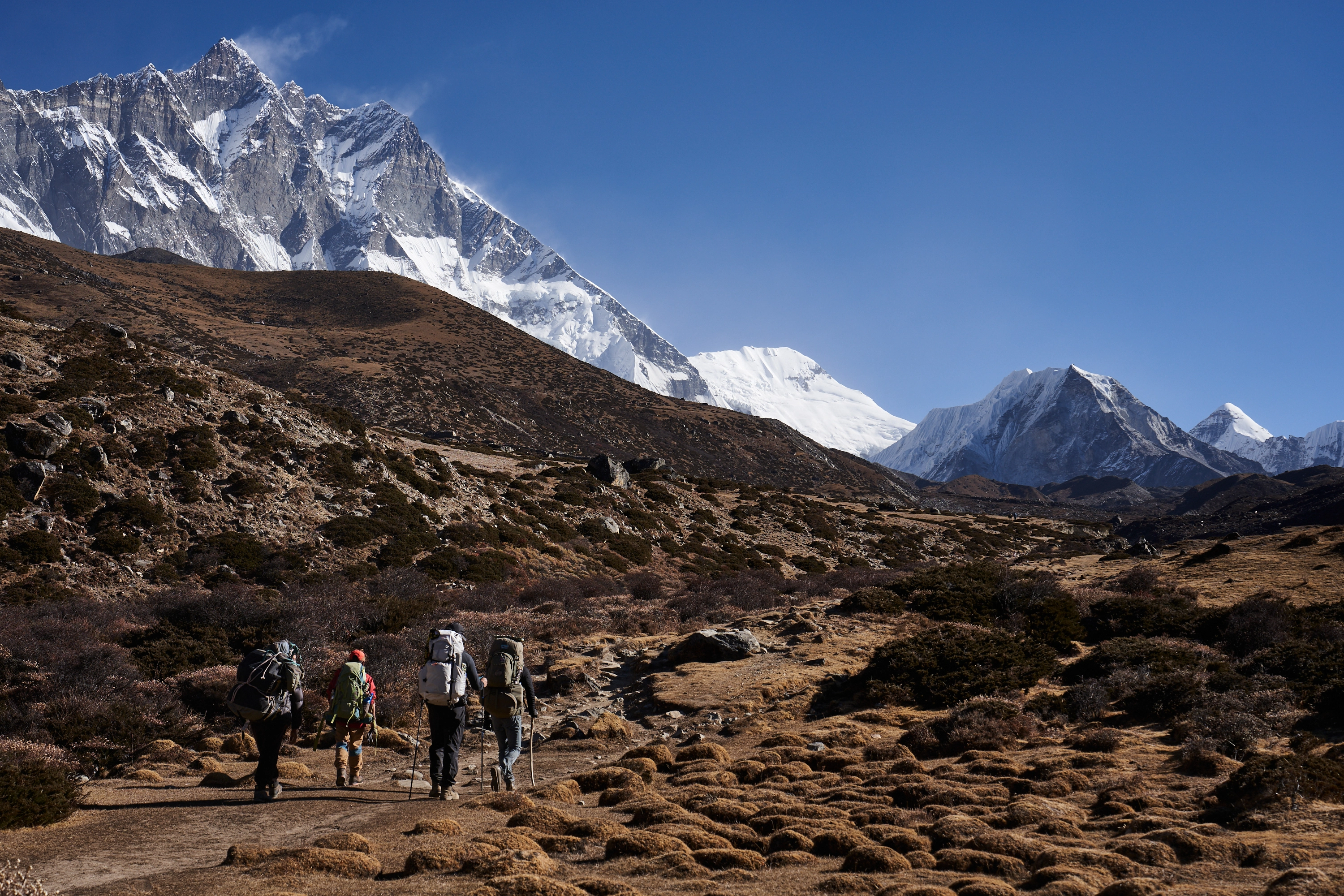
Overview of Everest Base Camp seasons
Journey to the base camp of Everest is a popular adventure activity that attracts tourists who seek to be physically closer to the majestic peaks. The trek begins at an altitude of 5,364 meters above sea level and takes travellers through Sherpa settlements, crossing hanging bridges, and navigating alpine terrain. However, there is considerable variation in the journey since the trekking season dictates the climate, visibility, and trekking conditions.
From March to May, it is often regarded as one of the best seasons to visit since there is stable weather, warm temperatures, and blossoming rhododendrons along the way. In addition, mountain views are clear, and the trekking environment is energetic since this period marks pre-climbing activities. Whereas from September to November, it represents another favorable time because of the fresh air and clear skies during this period. This season is also characterized by cool temperatures, which make it an ideal time for trekking enthusiasts since the region experiences post-monsoon rains.
Month-by-month breakdown for the Everest Base Camp trek
The planning of your trip to Everest Base Camp will become much simpler once you get a better idea about how conditions vary with each passing month of the year. With each month offering a unique combination of weather conditions, visibility, crowd, and trekking challenges, a month-wise list can assist you in deciding the most suitable time for your trip. The planning of your trekking trip to Everest Base Camp will become much simpler once you get a better understanding of how conditions vary with each passing month of the year.
Spring season (March to May): weather, views, and crowd levels
Spring is one of the recommended periods for a trek due to its favorable climate, amazing views, and enjoyable trekking experience. In the spring season, rhododendrons bloom in the area around Mount Everest, and you will be able to see many green hills with nice views in the mornings since the sky will be clear at this time.
The average temperature during the day is usually around 10-15°C at lower altitudes, while nights near base camp could be between -5°C and -10°C. There could be some clouds and light snowfalls occasionally during the spring, but in general, the weather would remain stable and pleasant for trekking.
Spring is characterized by perfect trail conditions. Usually, you will find that the trails are dry enough, which means that trekking will be easy. Visibility is high during this period, so you can enjoy breathtaking views of Everest and other mountains. The only downside of spring is that there could be a lot of people on the trails since this is the most popular time for trekking.
Autumn season (September to November): why it’s the most popular
Trekking is popular during Autumn, because of stable climate conditions, visibility, and comfort during walking through the mountains. After the period when the rains pass, there are no clouds above Mount Everest, and the view of snow-capped mountains becomes clear and dust-free.
Daytime temperature in the base camp is +10 to +18°C., and at nighttime, it can go below zero up to -5 to -10°C. Autumn does not hint at rain or snowfall, and therefore trekking can be conducted in good conditions, even during the passing of some high-altitude passes.
The paths during autumn are firm, dry, clean, do not pose any risk of slipping or falling, and visibility conditions are stable during all days. Since autumn provides such favorable conditions for trekking, this period attracts many more people than the rest of the year.
Winter trekking (December to February): challenges and advantages
The winter season provides another unique experience as one walks the trekking path towards the base camp. It is characterized by serene environments with tough terrain conditions. There is minimal tourist traffic in the region due to low temperatures during winter, which makes it possible to enjoy a tranquil trekking experience.
There are extreme climatic changes during this period, which include low temperatures; daytime temperature at the lower levels varies between 5°C and 10°C, while night temperatures may plummet to -15°C or below. It is also common to find cold winds and snow falling occasionally.
Trail conditions are likely to differ based on weather changes, as low altitude trails are not difficult, while higher altitude trails are icy and require great caution and proper equipment. Nevertheless, the clarity of view in winter is excellent, with clear skies providing an unimpeded view of Mount Everest and its surroundings.
One significant strength that comes with trekking during winter is the reduced crowd, thus easy access to tea-houses. Nevertheless, the harsh climate and the freezing temperatures of the winter season make it more appropriate for experienced trekkers. And we do not recommend trekking in winter due to the extreme cold, as these harsh conditions can significantly reduce the overall enjoyment and safety of your trekking experience.
Monsoon season (June to August): risks, landslides, and visibility
The period of monsoons is usually not recommended for the trek because of high rainfall, low visibility, and unfavorable terrain conditions. The monsoon season involves a lot of rain in the area surrounding Mount Everest. This period is characterized by relatively warm weather with temperatures fluctuating between 10°C and 20°C, although the humidity makes the trek unpleasantly humid.
Higher altitudes tend to be colder, with clouds usually covering the mountain ranges throughout the day, preventing clear views. Trails get covered in mud and may experience natural events that can be dangerous for trekkers. Moreover, flight delays and cancellations may take place owing to weather difficulties. Limited visibility and cloudy weather make monsoon trekking less attractive to tourists, although the area turns greener and more picturesque in the rainy season.
Choosing the right season based on your trekking experience and goals
Selecting the right time to trek to Everest Base Camp depends heavily on your personal trekking experience, comfort level, and what you want to get out of the journey. The region around Mount Everest offers markedly different conditions across seasons, so choosing the right season can significantly impact your overall experience, safety, and mountain views. Below is a simple guide to help you decide based on your goals:
Choose spring if you want a balanced experience with blooming rhododendrons, moderate temperatures, good visibility, and a lively trekking atmosphere. It’s ideal for first-time trekkers.
Choose autumn if you want the clearest mountain views, stable weather, and the most reliable trekking conditions. We recommend autumn the most because the season for both beginners and experienced trekkers is ideal.
Choose winter if you prefer quiet trails, fewer crowds, and don’t mind extreme cold. We don’t generally recommend it unless you are experienced and well-prepared for sub-zero temperatures and possible snow-covered paths.
Choose monsoon if you are interested in lush green landscapes and don’t mind rain and uncertainty. However, we do not recommend it due to heavy rainfall, landslides, slippery trails, and poor visibility, which can make trekking difficult and unpredictable.

.webp)
showing comments