
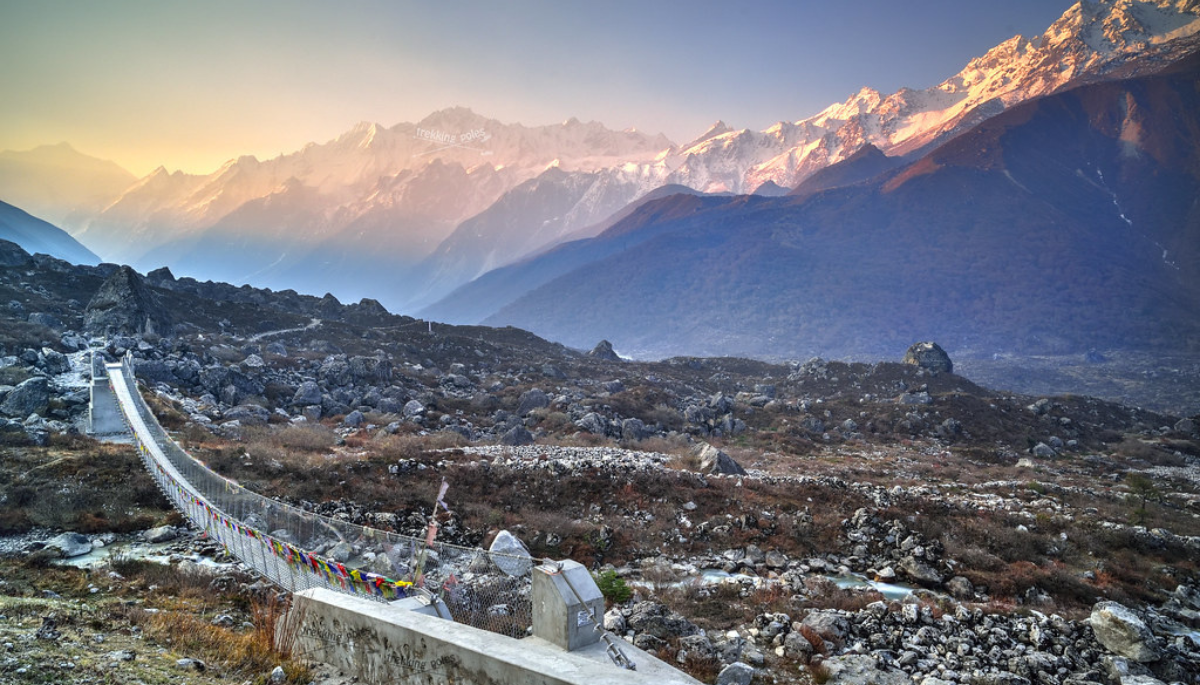
The Langtang Region is one of the most underrated and picturesque trekking regions of Nepal. Unlike the popular Everest and Annapurna regions, this one is pretty secluded and sees fewer trekkers each year. Located north of Kathmandu, the capital city of Nepal, the Langtang region has numerous treks to choose from.
Most of the trekking trails lie in the Langtang National Park, which spans over three districts: Nuwakot, Rasuwa, and Sindhupalchok. Most notable treks of the Langtang region include Langtang Valley, Helambu, and Gosaikunda Lake. The elevation of this region ranges between 2000 and 4000 meters.
Despite the region being scenic, adventurous, and worthwhile, trekking during the correct time makes all the difference. If you plan your trip beforehand and choose a favorable time to trek, it will make your experience a lot better.
In this article, we present the best times to visit the Langtang Valley and some of the times to avoid to make your trekking experience seamless.
Langtang Valley
Inhabited mostly by the Sherpa and Tamang people, the Langtang Valley is 80 kilometers north of Kathmandu. The locals are known to follow Tibetan Buddhism and have unique cultures and traditions.
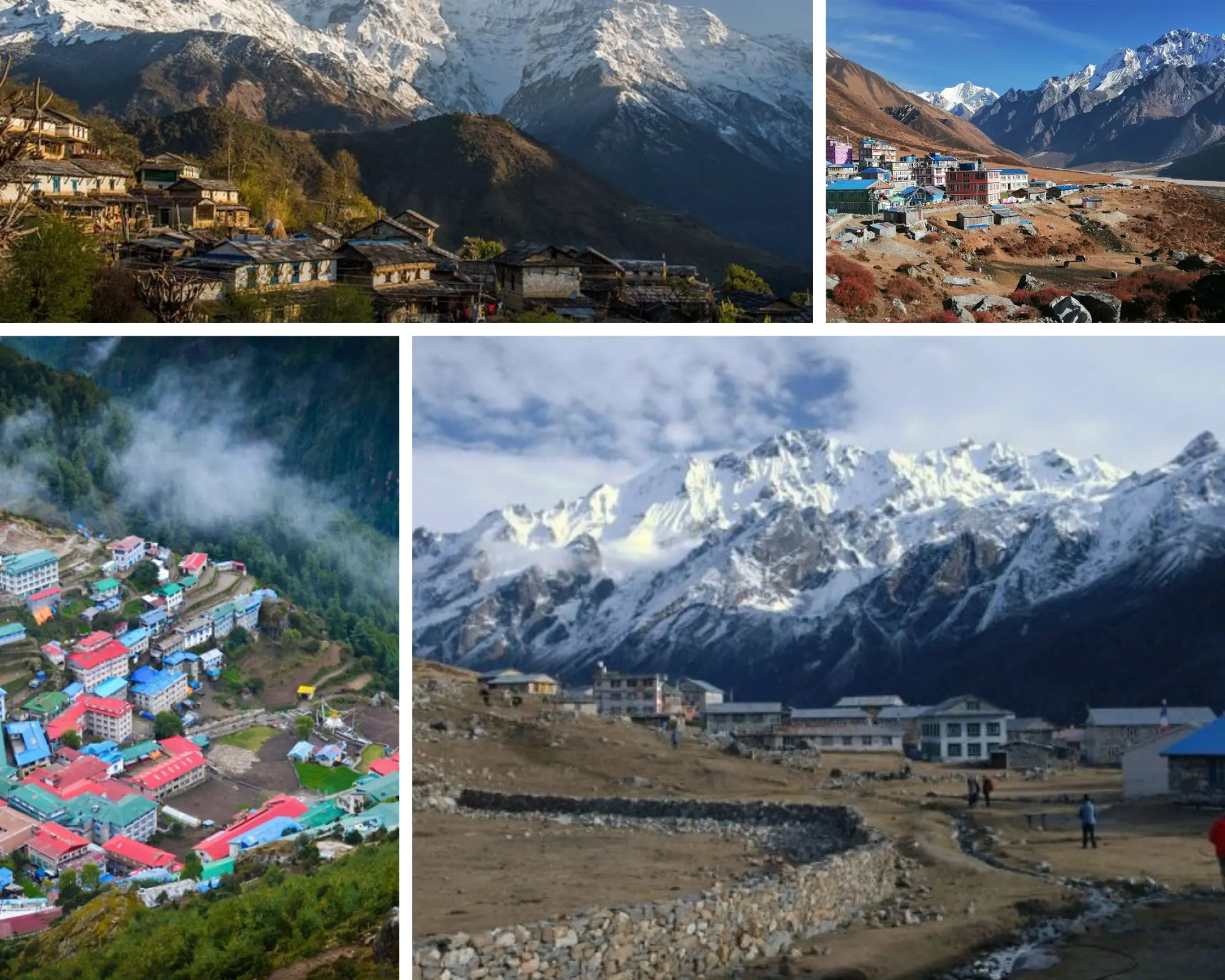
Talking about the nature and scenery, the whole of the Langtang range can be seen from the Langtang Valley trek. Lirung, Langtang Ri, and Dorje Lakpa are some of the peaks visible from your trek.
Langtang Valley Trek
The Langtang Valley trek is around 7-8 days long and takes you to a maximum elevation of 4700 meters. Beginning from Kathmandu, you will travel 120 km north towards Syabrubesi. Crossing stops like Lama Hotel, Langtang Village, Kyanjin Gompa, and Kyanjin Ri, you will enter the valley.
Kyanjin Gompa, which is the main attraction of the Langtang Valley trek, is a high-altitude monastery that sits at an altitude of 3870 meters. If you like, you can extend your trek and take a day hike to the majestic viewpoint, Kyanjin Ri, which is the highest point of the trek.

Kyanjin Ri and Langtang (Source)
As you need to acclimatize during your trek, one day is enough to explore the surroundings and get to the viewpoint. Once you complete the trek, take some time to relax and reflect on the beautiful journey you just completed.
Langtang Valley Trek Facts
- Location: Langtang Region, Northern Nepal
- Trek's Duration: 7-9 days
- Trek's Difficulty: Moderate-Challenging
- Trek's Start Point: Syabrubesi
- Trek's Ending Point: Kyanjin Gompa or Kyanjin Ri
Best Times To Visit Langtang Valley
The Langtang Valley trek is an accessible one that can be done year-round. However, your experience may vary greatly with each season. Below is a list of seasons that are best for trekking, with their pros and cons.
Spring (March-May)
Spring is the most favorable time to trek in this region. The most crucial reason is the mild and calm weather. As the monsoon season will not start during March to May, the trails will be relatively easier to walk on. This season is not too hot nor too cold, so walking is also a lot easier during spring.
Additionally, flowers also bloom during this time, which makes your trek even more picturesque. The daytime temperature usually stays between 15 and 20 degrees Celsius in spring, which is a pretty pleasant temperature for long-distance walking.
Pros of Spring Season:
- There are clear skies and excellent mountain views in spring.
- Rhododendrons and wildflowers are in full bloom
- Comfortable walking due to mild day temperatures
Cons of Spring Season:
- Trails might be a lot crowded than usual
- Prices of hotels and food will go up
Autumn (September-November)
Autumn is the second most favorable time to trek in the Langtang Valley. The reddish-yellow-colored leaves on the trees are a treat to your eyes. The Langtang Valley has nice, mild weather during autumn. The early autumn months are relatively warm; however, during November, you will be welcomed by a cool Himalayan breeze.
Be cautious during September, as it might rain sometimes. October is considered the most iconic time to trek in the Langtang Valley. The temperatures are pretty similar to spring; however, in late autumn, temperatures drop quite easily.
Pros of the Autumn Season:
- The temperatures are pretty similar to spring, which makes walking very comfortable.
- Post-monsoon clarity has the best mountain views.
- Festivals like Dashain and Tihar will enhance your cultural experience.
Cons of the Autumn Season:
- As autumn progresses, temperatures might drop, which can make evening and morning treks harder
- The trails are dustier during Autumn

Langtang Valley (Source)
Seasons To Avoid While Trekking Langtang Valley
There are two seasons to avoid if you are trekking to the beautiful Langtang Valley. Winter and monsoon are not something you must choose. Below is a list of pros and cons that you must avoid if you are trekking in the Langtang Valley during monsoon and winter.
Pros of the Monsoon Season:
- Due to rain, the landscape transforms into a green, lush scene.
- The trails are a lot quieter and emptier during the monsoon.
Cons of the Monsoon Season:
- Frequent rain causes the trails to be slippery and muddy
- Clouds will block the mountain views
Pros of the Winter Season:
- Crisp and clear skies on most days
- Winter is good for photography due to snow-covered peaks
Cons of the Winter Season:
- Temperatures are very cold, which makes walking difficult
- Some teahouses and lodges might be closed during winter.

.webp)


showing comments