
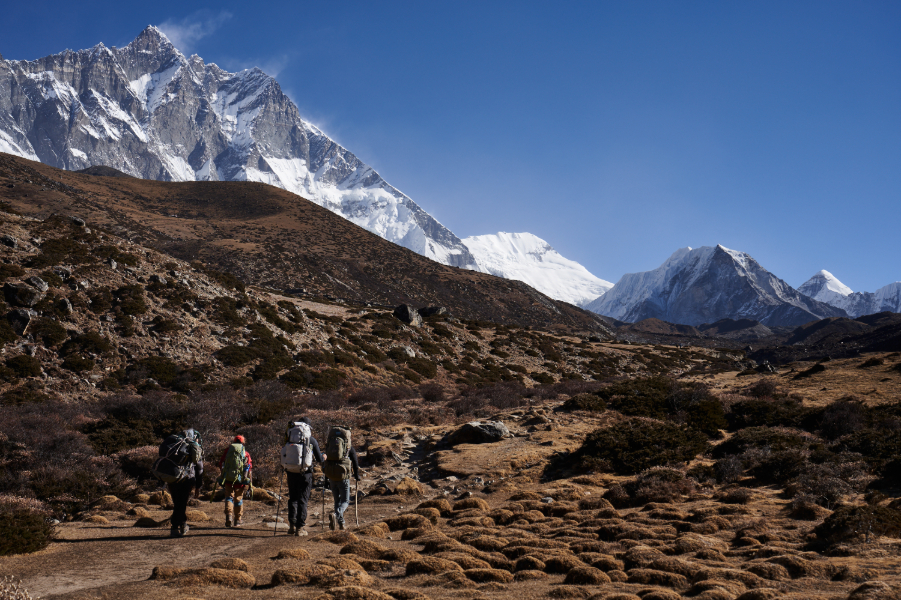
Why 2026 is the year to step off the beaten path in Nepal
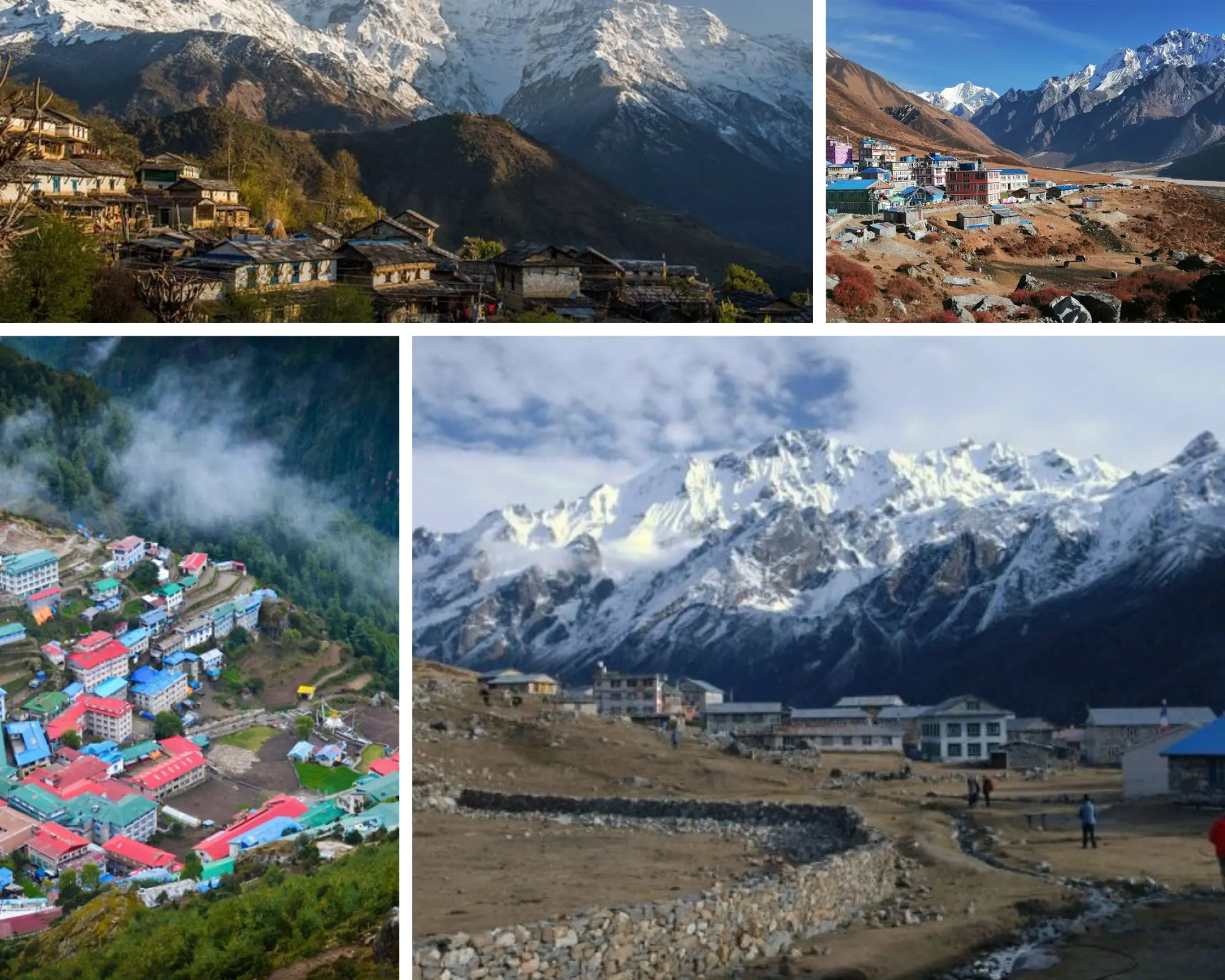
Trekking in Nepal is entering a new phase in 2026, one that favours curious travellers who want more than crowded trails and familiar viewpoints. While classic routes like Everest Base Camp and Annapurna remain iconic, they are also busier than ever. This shift is quietly pushing experienced trekkers and first-time visitors alike to look beyond the usual names, and Nepal is ready for that change.
One of the biggest reasons new locations are standing out in 2026 is improved access to remote regions without sacrificing their raw character. Trailhead connectivity has improved, local air services are more reliable, and basic facilities in lesser-known areas are better organised than before. This makes places that once felt logistically intimidating far more approachable, while still offering a sense of true adventure.
Another key factor is Nepal's growing focus on sustainable and community-led tourism. In 2026, more trekking routes actively encourage home stays, local guides, and small lodges run by mountain communities. This creates a deeper cultural experience for trekkers and ensures tourism benefits stay within the region, something modern travellers increasingly value.
At the same time, global travel trends are shifting toward slower, more meaningful journeys. People want solitude, authenticity, and landscapes that feel untouched; and Nepal's lesser-known trails deliver exactly that, from quiet valleys to high passes where you might walk for hours without seeing another group. All these changes make 2026 an ideal moment to explore a different side of Nepal in 2026, one that feels personal, peaceful, and genuinely rewarding.
Swap the crowds for authenticity: Why these routes beat the commercial giants.
There is no denying the appeal of Everest Base Camp and the Annapurna Circuit. They are legendary for a reason: they offer dramatic mountain scenery, well-established lodges, and a sense of achievement that attracts trekkers from all over the world. However, their popularity has also made them crowded, commercial, and, at times, predictable. In contrast, lesser-known routes feature quieter trails, less commercial development, and more opportunities for authentic cultural encounters. While teahouses line the famous trails and viewpoints are busy at sunrise, offbeat routes allow trekkers to experience genuine discovery and solitude.
This is where Nepal's lesser-known treks truly shine, via routes like the Nar Phu Valley Trek, which takes you into hidden stone villages where ancient Tibetan culture is still part of daily life. Instead of souvenir shops, you walk past prayer walls, yak pastures, and centuries-old monasteries. The Tsum Valley and Manaslu Trek goes even deeper, leading into a region known as the valley of non-violence. Here, Buddhist traditions shape the landscape, and the pace of life feels untouched by modern tourism.
For those seeking raw wilderness, the Upper Dolpo Trek offers vast, isolated terrain in western Nepal. Here, long walking days are rewarded with silence, high desert views, and a powerful sense of remoteness. Ruby Valley and Ganesh Himal Trek focuses on community, with home stays that allow trekkers to share meals and stories with local families. Pikey Peak Trek is a quiet favourite among photographers, offering sweeping Himalayan panoramas without the crowds. Meanwhile, the Bhairav Kunda Trek combines adventure with spirituality, leading to a sacred high-altitude lake revered by pilgrims. Together, these routes offer what the commercial giants no longer can: authenticity, space, and a deeper connection to Nepal.
Nar Phu Valley Trek: The hidden stone villages
The Nar Phu Valley Trek takes you deep into one of Nepal's most secluded corners, located in the Manang district of the Annapurna region, close to the Tibetan border. Hidden behind high mountain passes, the twin villages of Nar and Phu sit above 4,000 meters. The place is known for its tightly packed stone houses, ancient monasteries, and a way of life that has changed little over generations. This is a trek where culture feels as powerful as the landscape, with prayer flags lining the trails and herds of yaks grazing beneath snow-covered peaks.
The packages we offer are designed to keep Nar Phu Valley as the core experience while giving trekkers different ways to explore the region. Some itineraries combine Nar Phu with the broader Annapurna area, allowing you to transition from quiet, restricted trails into classic Himalayan scenery. Others extend the journey to high-altitude highlights such as Tilicho Lake, offering dramatic alpine views and varied terrain. Some options link Nar Phu with the Manaslu region, creating a longer, more diverse trek through multiple remote valleys.
All these packages offer carefully planned acclimatisation, experienced local guides, required restricted-area permits, and comfortable teahouse or lodge stays where available. You can expect long walking days through narrow gorges, high pastures, and windswept passes like Kang La, balanced with time to explore villages and interact with local communities. For trekkers seeking isolation, authenticity, and a deep cultural experience, Nar Phu Valley delivers something truly rare in Nepal.
Tsum Valley and Manaslu Trek: The valley of non-violence
The Tsum Valley and Manaslu Trek leads into one of Nepal's most spiritually significant and culturally preserved regions, located in the northern Gorkha district near the Tibetan border. Known as the valley of non-violence, Tsum has a long history of Buddhist practice, in which hunting was traditionally forbidden, and compassion toward all living beings remains a core value. The valley is dotted with ancient monasteries, mani walls, and chortens, set against a backdrop of high Himalayan ridges and glacial rivers.
The packages we offer place Tsum Valley at the heart of the journey while combining it with the dramatic landscapes of the Manaslu region. These itineraries allow trekkers to explore quiet trails that see far fewer visitors than Nepal's commercial routes, while still experiencing a complete Himalayan adventure. As you move between Tsum and the Manaslu circuit, the scenery shifts from forested gorges and terraced hillsides to wide alpine valleys and high mountain passes, offering constant variety.
All these packages include experienced guides familiar with local customs, restricted-area permits, and itineraries designed for proper acclimatisation. Accommodation is primarily in small teahouses and local lodges, giving you the chance to connect with village life and learn about daily traditions. Highlights often include visits to centuries-old monasteries, interactions with monks and villagers, and peaceful walking days where the sense of isolation is deeply felt. For trekkers seeking cultural depth, spiritual calm, and uncrowded Himalayan trails, the Tsum Valley and Manaslu Trek offers an experience that feels both meaningful and rare.
Upper Dolpo Trek: The remote wilderness of the west
The Upper Dolpo Trek takes you into one of Nepal's most isolated and least explored regions, located in the far western part of the country beyond the Dhaulagiri range. This high-altitude Tibetan Himalayan Region landscape feels worlds away from the busy trekking corridors, defined by wide valleys, arid terrain, turquoise lakes, and dramatic mountain backdrops. Dolpo is culturally unique, strongly influenced by Tibetan Buddhism, with ancient monasteries, long mani walls, and traditional villages scattered across an unforgiving yet beautiful environment.
The packages we offer are built around the idea of true remoteness and self-reliance. These itineraries focus on deep exploration of Upper Dolpo, often involving long walking days, high passes, and vast open spaces where you may not see other trekkers for days. Unlike teahouse-based treks, Upper Dolpo journeys rely heavily on camping, allowing access to areas untouched by road networks or modern infrastructure. This style of trekking creates a deeper connection to the landscape and a strong sense of expedition.
All of our packages include special restricted-area permits, experienced guides, and well-organised logistics to handle altitude, weather, and isolation safely. Trekkers can expect carefully paced acclimatisation, support staff, and time to explore remote villages and sacred sites. Highlights often include pristine high-altitude lakes, windswept plateaus, and encounters with communities that maintain centuries-old traditions. For those seeking raw wilderness, cultural depth, and an adventure that feels genuinely rare, Upper Dolpo stands apart as one of Nepal's most rewarding trekking experiences.
Ruby Valley and Ganesh Himal Trek: Homestays and hidden gems
The Ruby Valley and Ganesh Himal Trek explores a quiet, culturally rich region located between the Langtang and Manaslu regions, north of Kathmandu. Often overlooked by mainstream trekking traffic, this region is known for its rolling hills, terraced farmland, forested trails, and striking views of the Ganesh Himal range. The name Ruby Valley comes from the presence of natural gemstones in the area, which adds to its sense of mystery and local identity.
The journey focuses on community-based trekking, making it ideal for travellers who value human connection as much as scenery. Instead of large lodges or busy teahouses, accommodation is primarily in local homestays, where families open their homes to trekkers. This creates an authentic experience, allowing you to share meals, learn about village life, and understand local customs firsthand. The trek passes through villages inhabited by various ethnic groups, including the Tamang and Gurung, offering a wide range of cultures.
All these packages are designed with a gentle pace, making the trek suitable for those seeking a quieter, less physically demanding Himalayan experience. You can expect guided walks through hidden valleys, traditional settlements, and viewpoints that offer uncrowded mountain panoramas. Logistics, local guides, and community coordination are all carefully managed to ensure comfort and responsible tourism. For trekkers looking to discover Nepal beyond the famous routes, Ruby Valley and Ganesh Himal offer meaningful encounters, scenic beauty, and the rare joy of being genuinely welcomed into mountain life.
Pikey Peak Trek: The photographer's secret
The Pikey Peak Trek is a quiet gem located in the lower Solu region of eastern Nepal, south of the Everest area. Despite its relatively modest altitude compared to nearby giants, Pikey Peak is famous for offering some of the widest and most balanced Himalayan panoramas in the country. From the summit, on a clear day, you can see Everest, Kanchenjunga, Makalu, and Annapurna in a single sweeping view, making it a favourite among photographers who prefer solitude over busy viewpoints.
The packages we offer are designed to highlight both scenery and cultural depth. These itineraries focus on early-morning summit walks for sunrise photography, when the mountains glow in soft light, and the trails remain peaceful. The trek passes through rhododendron forests, open ridgelines, and traditional Sherpa villages, offering constant visual variety and ample opportunities for landscape and cultural photography.
All these packages include experienced guides who understand the best timing and viewpoints, comfortable teahouse or lodge accommodation, and a well-paced itinerary suitable for a wide range of trekkers. The Pikey Peak sits at a lower altitude than many classic treks, so it offers easier acclimatisation while still delivering dramatic Himalayan views. The route also passes monasteries and chortens that add cultural character to the journey. For those seeking a short, scenic, and uncrowded trek with exceptional photographic potential, Pikey Peak remains one of Nepal's best-kept secrets.
Bhairav Kunda Trek: The sacred high-altitude lake
The Bhairav Kunda Trek leads to one of Nepal's most sacred and lesser-known high-altitude lakes, located in the remote hills northeast of Kathmandu near the Nepal-Tibet border. At an elevation of around 4,200 meters, Bhairav Kunda holds deep spiritual significance for both Hindu and Buddhist pilgrims, who believe the lake is linked to Lord Bhairav, a fierce manifestation of Lord Shiva. Despite its religious significance, the trail remains quiet, making it a rare blend of spiritual depth and peaceful trekking.
The packages we offer focus on a raw and traditional trekking experience rather than comfort-driven tourism. The route passes through rural villages, forested ridges, and open alpine landscapes, gradually transitioning from cultivated land to high mountain terrain. Along the way, trekkers encounter simple lodges and camping areas, reflecting the region's limited infrastructure and preserving its untouched character.
All these packages are carefully planned to manage altitude gain and seasonal conditions, with experienced guides who understand both the terrain and local beliefs. Trekkers can expect a slower pace, fewer fellow travellers, and a strong sense of connection to nature and culture. The highlight is reaching Bhairav Kunda itself, where prayer flags flutter beside the still, turquoise water, creating a powerful and reflective atmosphere. For those seeking a trek that combines spirituality, solitude, and high-altitude adventure close to Kathmandu, Bhairav Kunda offers a truly different side of Nepal.
Sustainable trekking: How to be a responsible explorer in 2026
As more travellers look beyond popular routes and head into Nepal's remote regions, trekking responsibly has never been more important. In 2026, sustainable trekking is not just a trend but a shared responsibility that helps protect fragile mountain environments and supports local communities. Being a conscious explorer ensures that these lesser-known trails remain authentic, clean, and welcoming for future generations.
Choose locally operated trekking companies and licensed local guides to ensure your trip directly supports mountain communities and regional economies.
Stay in local teahouses or home stays whenever possible, as this keeps tourism income within villages and encourages cultural exchange.
Follow a strict leave-no-trace approach by carrying out all non-biodegradGorkha@#223344able waste, including plastic bottles and packaging.
Respect local culture by dressing modestly, asking permission before taking photos, and learning basic local customs and greetings.
Use refillable water bottles and water purification methods instead of buying single-use plastic bottles.
Stick to established trails to avoid damaging fragile alpine vegetation and causing soil erosion.
Be mindful of water and energy use in remote areas where resources are limited.
Travel during appropriate seasons to reduce environmental stress and ensure safer trekking conditions.
Support conservation efforts and community projects when available, whether through donations or participation.
Trek at a slower pace to allow better acclimatisation and deeper engagement with the environment and local life.
Note: Remember, responsible choices in 2026 help preserve Nepal's landscapes while creating more meaningful and rewarding trekking experiences.
Planning your 2026 adventure: Permits, seasons, and gear
Planning a trekking adventure in Nepal for 2026 becomes especially important when you are heading into quieter, less-developed regions. Remote trails often come with specific requirements, from special permits to careful seasonal timing and proper gear preparation. Understanding these basics early helps avoid last-minute complications and ensures a smoother, safer journey. With the right planning in place, trekking in Nepal can feel less overwhelming and more focused on the experience itself, allowing you to enjoy the mountains without unnecessary stress.
Trekking permits vary by region, with some routes requiring restricted-area permits and licensed guides.
Permit arrangements must be completed before the trek, especially for remote and controlled regions.
Spring and autumn are generally the best seasons, offering stable weather and clear mountain views.
Some quieter treks are also suitable during shoulder seasons with proper planning.
Gear should include sturdy trekking boots, layered clothing, and protection for changing weather.
High-altitude treks require careful attention to warmth, hydration, and personal comfort.
Packing light while carrying essentials improves both safety and enjoyment.
Note: We organise all permits, seasonal planning, guides, logistics, and accommodation for you. We also provide clear gear guidance tailored to your chosen trek and travel period.
Final thoughts: Embracing the quiet side of the Himalayas in 2026
In 2026, trekking in Nepal is no longer just about reaching famous viewpoints or following well-worn trails. It is about choosing experiences that feel personal, meaningful, and far removed from the noise of mass tourism. The quiet side of the Himalayas offers something rare: space to walk at your own pace, time to connect with local cultures, and landscapes that still feel untouched. Whether you are drawn to spiritual journeys, deep wilderness, or community-focused travel, Nepal's lesser-known routes let you shape a trek that aligns with your purpose rather than a fixed trend.
If a spiritual journey speaks to you more than busy trails, the Bhairav Kunda Trek offers a rare sense of devotion and solitude. Walking toward a sacred high-altitude lake revered by both Hindus and Buddhists, you experience quiet landscapes where belief, nature, and silence merge. This trek suits those who want reflection, cultural depth, and a powerful destination that feels meaningful rather than merely scenic.
For travellers who chase atmosphere and wide horizons, the Pikey Peak Trek delivers an unforgettable visual experience. The trail remains peaceful, yet the summit rewards you with sweeping Himalayan views, including Everest and several other giants. It is ideal for photographers, early risers, and trekkers who want dramatic scenery without extreme altitude or constant foot traffic.
If your idea of trekking is shaped by people and stories rather than altitude alone, the Ruby Valley and Ganesh Himal Trek stands out. Staying in local homestays allows genuine cultural exchange, shared meals, and insight into daily mountain life. This route suits those who value connection, slower travel, and discovering places that rarely appear on mainstream trekking maps.
Those drawn to vast landscapes and true isolation will find Upper Dolpo unmatched. This trek takes you far into western Nepal, where camping, long walking days, and open terrain define the journey. It is best for experienced trekkers seeking wilderness, silence, and a sense of exploration that feels raw and deeply rewarding.
If cultural immersion and spiritual calm matter as much as mountain views, the Tsum Valley and Manaslu Trek offers a balanced experience. Known as the valley of non-violence, Tsum introduces ancient monasteries, Buddhist traditions, and peaceful villages, while the Manaslu region adds dramatic alpine scenery. It suits trekkers who want meaning layered into every step.
For those eager to step into a living Himalayan museum, the Nar Phu Valley Trek provides something truly distinctive. Ancient stone villages, high passes, and strong Tibetan cultural influence create a journey that feels untouched by time. This trek is ideal for adventurers seeking authenticity, remoteness, and a deeper understanding of Nepal's hidden mountain heritage.

.webp)
showing comments