
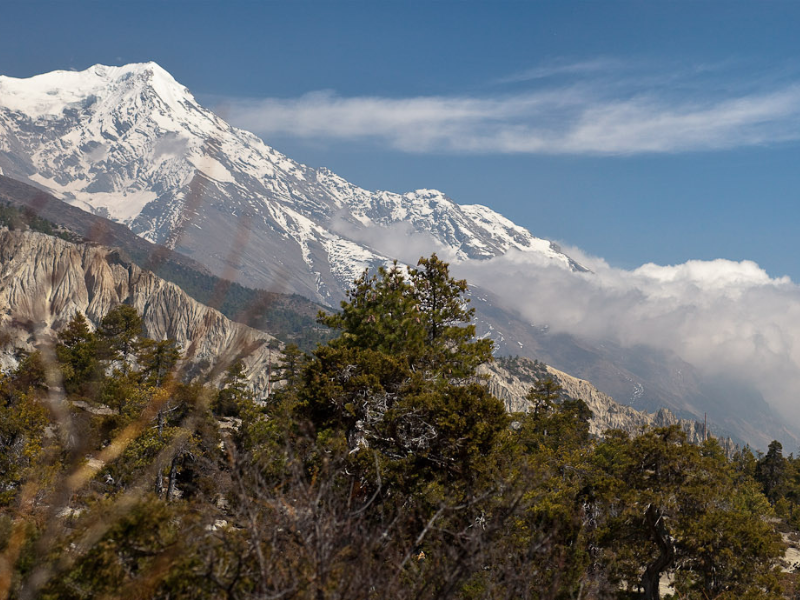
Pisang Peak Overview
Pisang Peak, also known locally as Jong Ri, is a trekking mountain that is 6091 meters above sea level. Situated in the Manang district, in the Annapurna region, it is a beautiful and symmetrical peak. Although this peak has been classified as a trekking peak, it definitely is one of the hardest ones.
With numerous technical sections, it is advised that only trekkers with prior climbing experience take on the Pisang Peak. There are several trekking equipment and permits required to complete this mesmerizing mountain trek.
This article features some of the highlights, trekking routes, preparation, and some frequently asked questions related to the Pisang Peak climb.
Pisang Peak Climbing Difficulty
The Pisang Peak climb is considered "slightly technical." It includes some snow climbs and rocky sections, which may require prior climbing experience. If you are in good physical condition, this mountain may be the perfect one to step into Himalayan mountaineering.
Let's break down each type of difficulty involved while climbing Pisang Peak.
Difficulty Level
The alpine grading system, which is responsible for grading peaks, has rated the Pisang Peak as a PD+. Mountains with a PD+ rating are considered slightly difficult and include some technical sections.
Unlike other mountain treks like Mera Peak and Yala Peak, this one does include numerous challenging sections. Due to this fact, you must have proper climbing gear.
Technical Challenges
Talking about the technical challenges, there are a few parts where you will encounter steep climbs. The part from High Camp to the summit is long and mostly technical.
Especially the steep summit ridge, which is very narrow and icy. This particular section requires crampons and ice axes to climb.
Adding to the difficulty is the snowfall. Depending on the season, you might encounter snowfall, soft snow, or heavy winds.
Altitude-Related Challenges
Pisang Peak's elevation is 6091 meters above sea level, which is extremely high considering it is classified as a trek. If you don't practice proper acclimatization, altitude sickness might kick in.
Altitude sickness is a major threat at this high up. Our itinerary includes several acclimatization days, which are included to help your body get used to the extreme weather conditions.

Pisang Peak (Source)
Permits Required to Climb Pisang Peak
To successfully climb this mountain, you will need three major permits. Let's look at all three of them:
- Pisang Peak Climbing Permit: This permit is issued by the Nepal Mountaineering Association (NMA), Kathmandu. The cost of this particular climbing permit depends heavily on the season you choose.
The cost goes significantly up when you climb during Spring and Autumn. However, monsoon and winter are the cheapest times to climb the Pisang Peak.
- Annapurna Conservation Area Permit: Also known popularly as the ACAP, it is issued by the Nepal Tourism Board (Kathmandu or Pokhara). This permit is fairly cheap and helps the Annapurna region's tourism flourish.
- Trekkers Management and Information System: The TIMS card is issued by the Trekking Agencies Association of Nepal, which helps to keep a record of all the foreigners trekking in Nepal and is also used to secure their credentials during emergencies.
Pisang Peak Climbing Highlights
- Rich biodiversity of the Annapurna Conservation Area: Located in the Manang district, the Pisang Peak climb falls in the Annapurna Conservation Area, which is home to a rich biodiversity. During the trek, you can spot numerous plant and animal species.
- Mesmerizing Views: Throughout the trek, you will be greeted with stunning panoramic views of the Himalayan Peaks. Precisely, Annapurna II, Gangapurna, and the Tilicho Peaks are visible from this trek. This creates numerous photography opportunities, too.
- Perfect beginner climb: Unlike other mountain treks, it is a bit technical; however, this is a perfect opportunity to begin your Himalayan climbing experience. Keep in mind that you will need technical equipment to successfully climb the Pisang Peak.
- Peaceful Trails: The Pisang Peak is considered somewhat of an underrated climb due to its location. Island Peak, which lies in the Everest Region, draws in a lot of trekkers, but this mountain is known to have fewer trekkers on its trails.
- Cultural Immersion: Heavily influenced by the Tibetan culture, during this expedition, you will encounter numerous cultural and traditional experiences. If you get fascinated by the unique Tibetan culture, then this is a perfect trek for you to choose.
Route Overview
The route for climbing the Pisang peak is divided into two sections. Let's break down these two sections concisely.
This part is reaching up to the Pisang Peak's base camp from the capital, Kathmandu.
Kathmandu to Besisahar
The drive from Kathmandu to Besisahar is a scenic one, which sets up perfectly for the starting point of the Annapurna Region.Besisahar to Chame
The part from Besisahar has numerous off-road sections. However, you can easily reach there in a jeep.Chame to Pisang
Finally, your trek begins as you walk through a forested trail. The first part of your trek to Pisang is not too challenging.Pisang to Pisang Base Camp
As you depart Pisang Village, your journey continues upwards to the Pisang Base Camp. You will encounter several steep ascents along the way, but they are manageable.Acclimatization & Training Day at Base Camp
There will be an acclimatization day at the Base Camp to help your body get used to the high altitude.
The second part involves treks from Base Camp to the summit and back.
Base Camp to High Camp
As you cross 5000 meters in elevation, you will encounter numerous steep ascents up to the final campsite before the summit.Summit Day and Return to Base Camp
From high camp, your summit push begins. Before that, you will be using ropes and crampons. The climb is somewhat technical and physically demanding. After reaching the summit, we will descend back to the Pisang Base Camp.Return Trek to Pisang and Drive to Besisahar
Retracing your steps, you will follow the trail back to the Pisang village and drive out of the Annapurna region and back to the beautiful Besisahar, Lamjung.Drive from Besisahar to Kathmandu
Finally, you head towards the capital, Kathmandu, ending your Pisang Peak climb.

Pisang Peak Seen From The Trail (Source)
Preparing for the Pisang Peak Climb
There are numerous checklists, but before you head out on the trail, ensure you have all these checked.
Physical Preparation
Before your expedition, go out on longer walks and swimming sessions, and train your legs. As this expedition is over 20 days, you need to be in the best shape. Training your cardiovascular system can also enhance your experience on the trail. If possible, complete a high-altitude trek before this expedition.
Gear and Equipment
Climbing gear and equipment can be rented in Thamel, Kathmandu. Note that trekking agencies do not include gear and equipment in the cost, so bring them yourself. Trekking essentials include hiking boots, sticks, layered clothes, and sleeping bags. Whereas, climbing essentials like crampons, a harness, and ice axes should be with you.
Health and Safety
Before you set off on the expedition, make sure you are permitted by a doctor to climb the mountain. People with any kind of breathing issues, asthma, or other illnesses are advised not to go. But if you are confident physically and mentally, you may climb the peak. Carrying a first aid kit is also extremely important.
Frequently Asked Questions
How difficult is the Pisang Peak climb?
The Pisang Peak is rated PD+ by the alpine grading system, which is considered slightly technical.
How high is Pisang Peak's Summit?
The summit of Pisang Peak is 6091 meters, or 19983.6 feet.
Where is the Pisang Peak located?
The Pisang Peak is located in the Annapurna Region in the Manang District, Nepal.
Can I complete this trek without climbing equipment?
No, you need technical equipment like a harness, ice axes, and crampons to climb the Pisang Peak.
You May Also Like: Island Peak Climbing Guide

.webp)
showing comments