
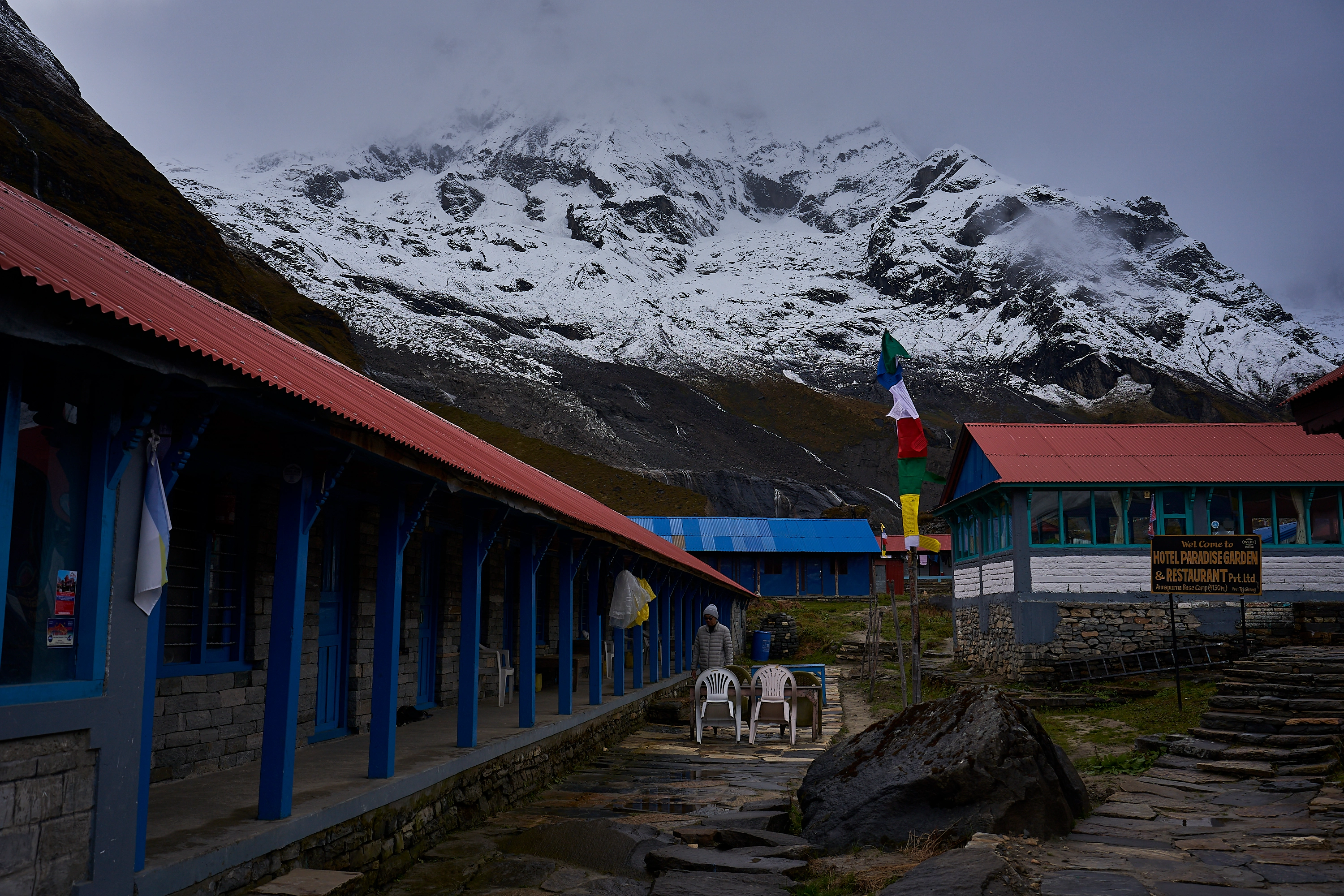
Why Avoiding Mistakes Matters on the Annapurna Base Camp Trek
Among the various treks that travelers take in Nepal, the trek to Annapurna Base Camp is among the best experiences for several reasons. It features beautiful mountain views, varied terrain, and exposure to various cultures along the way. A trip to Annapurna Base Camp is very enjoyable, but it comes with its own set of challenges.
Even the smallest error during this trip can have significant consequences. Lack of preparation, low levels of fitness, and lack of knowledge can create serious difficulties for those undertaking the journey.
The avoidance of the mentioned mistakes will not only make your trekking journey more comfortable but will also add a sense of safety and joy to it. Proper preparation, pacing, and understanding the weather of the mountains will provide you with the extra energy needed to enjoy the breathtaking scenery around you.
This guide will provide you with the most common mistakes that have been made by other trekkers during the trek and how you can avoid these mistakes. This way, your Annapurna Base Camp trek will be smoother and much more enjoyable.
The Ultimate ABC Checklist: How to Ensure a Flawless Journey to Annapurna
The preparation of Annapurna Base Camp is not only about carrying a bag, but also creating conditions for your comfortable, secure, and memorable journey. Due to the diversity of terrains, unpredictable climate conditions, and high altitudes involved, the slightest mistake might spoil everything. Therefore, an appropriate checklist is recommended via us.
The list below ensures that you keep your planning and preparation well-organized throughout the adventure. Whether it is selecting appropriate equipment, clothes, securing permits, ensuring fitness levels, or even acclimatizing for the journey, everything matters when it comes to how comfortably you finish the path. Additionally, it eliminates any pressure that might come up in the last moments of the trip.
Whether this is your first time embarking on a trekking adventure or if you are already familiar with the process of hiking. It is always useful to have a practical and well-organized checklist in order to avoid any misfortune. In the following paragraphs, we will discuss what you need to do in detail.
Poor itinerary planning and rushing the trek
One of the most frequent errors made by trekkers in the Annapurna Base Camp trek is hurrying up their itinerary planning. Many people attempt to finish their route too soon, without understanding the negative effects that can arise from high altitude changes and lengthy trekking sessions. In addition to causing additional stress for trekkers, rushing through an itinerary means that there will be absolutely no room for error in case of bad weather or proper rest.
This can be avoided by having a realistic travel itinerary that has the necessary days to acclimate. You must give yourself some opportunity on your timeline because things do not always go according to plan. The most beneficial approach is to take at least 12-14 days for the whole journey. Not only does this make trekking safer, but it will also allow you to savor your surroundings along the way.
Skipping the proper acclimatization day
Not giving sufficient acclimatization days while trekking to the base camp of Annapurna is a very big mistake that most trekkers tend to make. The higher you climb, the lower the oxygen content in the air will be, and thus, it becomes essential for you to give your body time to adjust. If you neglect this important aspect, it may result in altitude sickness, characterized by symptoms like nausea, headache, dizziness, and lack of energy.
To avoid this, include acclimatization days in your trekking schedule, particularly after major climbs. The key is to stick to the rule “climb high, sleep low,” and always pay attention to what your body needs. Hydrate yourself constantly with water, do not consume alcohol or coffee, and try to keep a moderate pace in your journey.
Underestimating the trek’s difficulty and altitude
It is a misconception to overlook how challenging the Annapurna Base Camp trek will be. Although you won’t have to climb like a professional mountaineer, expect to put in many hours walking each day, along with some steep climbs. The combination of thin air and physical exertion means you’ll soon be worn out and vulnerable to altitude sickness.
To prevent that from happening, however, one needs to have realistic expectations about the whole experience and prepare oneself for it. First of all, one should work on their physical shape by doing cardio exercises and training. It is vital to know about the trail and the distance that needs to be covered each day.
Overpacking or carrying unnecessary gear
Carrying excess baggage is another common problem encountered by people during the trekking of Annapurna Base Camp. Most trekkers think that they have to carry a lot of clothes and other stuff, which causes them to pack a lot of extra baggage in their bags. Extra baggage slows you down and puts stress on your body and legs, especially when climbing for a long time.
To prevent this from happening, pack accordingly. Only carry clothes that can be layered up, the necessary toiletries, and equipment such as good shoes and a jacket. Always pack lightweight and fast-drying things. Make sure not to double any unnecessary items before leaving for the trip. It is always important to go through your list before packing your bag and leave out anything you do not think you will need.
Wearing new or untested trekking boots
Wearing new and unbroken-in trekking boots while doing the Annapurna Base Camp trek is a serious mistake. Often, most trekkers purchase new shoes right before starting the trip, thinking that it is safe to walk in them immediately. However, wearing new boots leads to blistering and makes your feet hurt because the boots haven't been worn in yet. During a long day of trekking with rough terrain, your speed might decrease.
One way to prevent this is by ensuring that you wear your hiking boots long before your trip. This means that you should wear them on training hikes or any other occasions so you get used to them and ensure they fit properly. In addition, you should ensure that your socks have been tried out with the shoes to prevent friction.
Ignoring weather changes in the Himalayas
The weather patterns in the Himalayas are extremely unpredictable and can change very quickly from sunny skies to rain, snow, and even fierce winds. Most hikers do not consider how important weather can be when trekking since they often do not check for updates on the weather patterns.
In order to prevent this situation from happening, you should make sure that you are constantly updated on the weather reports for each day. You should have layers of clothes in case the temperature changes, and waterproof and wind-resistant materials should be accessible. You should be adaptable with your schedule and avoid trekking during extreme weather situations.
Not staying properly hydrated during the trek
Neglecting proper hydration is one of the most common errors hikers make during the ABC trek. It’s easy for hikers to underestimate their water requirements at high altitudes. Due to the dry climate, strenuous physical activities, and variable temperatures, the body loses water faster than normal. Lack of proper hydration leads to health complications such as dehydration, exhaustion, headaches, decreased stamina, and altitude sickness.
The solution is to stay adequately hydrated by consistently drinking water throughout the day instead of waiting until the point that thirst strikes. Bring a water bottle or hydration bladder with you and fill up on water at sources available along the trek route. In case it becomes necessary, use water purification pills. Remember to frequently drink small portions of water rather than large portions at once while walking.
Overlooking early symptoms of altitude sickness
If you fail to recognize the early signs of altitude sickness, such as constant headaches, nausea, dizziness, lack of appetite, or extreme tiredness, thinking that the problem will resolve itself without intervention. Unfortunately, these minor symptoms can rapidly evolve into something serious that develops later.
This can be prevented by taking proper care of one’s physical condition at all times during the hike. In case any of the above-mentioned symptoms of altitude sickness appear, one must immediately stop climbing and rest. You should consume plenty of fluids and food in small quantities and refrain from exerting yourself too much. And if the situation gets more serious, you should inform your guide immediately.
Traveling without proper travel insurance
Trekking to Annapurna Base Camp without travel insurance coverage would be a poor decision. Most trekking participants have the idea that everything will be all right, but the truth is that such trekking activities carry risks such as accidents, illness due to altitude, flight delay, or even a need for evacuation in case of an emergency.
In order to prevent such incidents from happening, it is essential that you have travel insurance before beginning your journey. It must explicitly cover mountaineering activities at high altitudes, emergency medical care, and air evacuation. You must check the details in the travel insurance document for any limitations or restrictions. Proper insurance will provide you with the assurance and confidence to concentrate on the trip itself.
Trekking without a guide or a clear navigation plan
For people who do not have guides or a navigation strategy while trekking on the Annapurna Base Camp path, it can be an irresponsible choice. Although the trail is very famous among many people, there are other factors, such as weather, different paths, and confusion along the path, that may lead to problems during the trekking process. This will cause unnecessary losses of time, wrong directions, and less safe trails.
In order to prevent any complications of this nature, one must ensure that they have planned their routes prior to going on the trek. This can be achieved by having a good understanding of maps or even downloading offline maps/GPS systems. Getting a guide will greatly assist one while trekking, especially since guides know more about the terrain, altitude, and culture of the area.
Trek Smart for a Safer Annapurna Base Camp Experience
The trip to the Annapurna Base Camp involves much more than just getting there; it includes an entire adventure that involves nature, hard work, and effort. Each and every step on the trail provides the hiker with a breathtaking view and experiences that are unforgettable for a lifetime. Nevertheless, the thing that separates a difficult hike from a memorable one lies in preparation and decision-making.
A lot of the problems that were listed above, like lack of planning, not paying attention to altitude warnings, or improper clothing, can actually be easily avoided if you prepare properly. Smart trekking involves knowing your own limitations and putting safety before anything else.
If you prepare yourself well before embarking on the trip, physically and mentally, you will ensure that you make the most out of it. Staying hydrated, acclimating gradually, proper packing, and keeping track of the weather help to make your journey more comfortable. Equally, you need to listen to your body and make decisions for your own health.
Ultimately, a good journey to the Annapurna Base Camp is not only about making it there but also about how safely and enjoyably you make it to your destination. If you hike wisely, your journey through the Himalayas will be deeply rewarding.


.webp)
showing comments