
Duration
14 Days
Activity
Trekking
best season
March-May/Sept-Nov
Accommodation
Teahouse/Guesthouse
Destination
Annapurna Region
New Offers !!! 2026 New Booking open With 10% Discount

 iconic summary
from0Reviews
Guides And Language
facility
Value For Money
Service
Location
Overviews
The Annapurna Circuit Trek is one of the most iconic and diverse trekking routes in the world, offering an extraordinary experience with its lush valleys, towering peaks, charming villages, and vibrant cultural encounters.
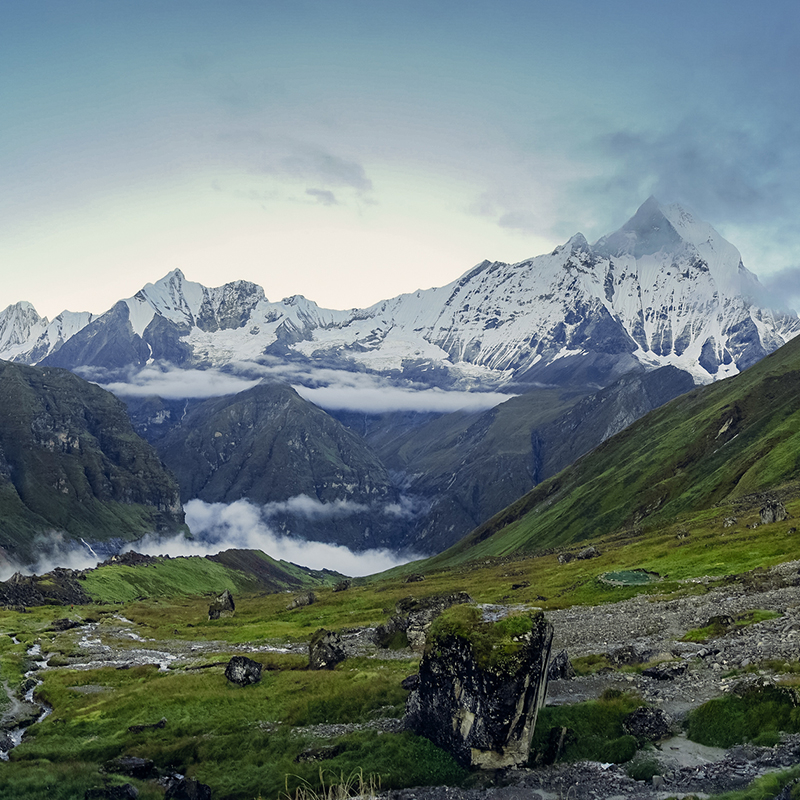
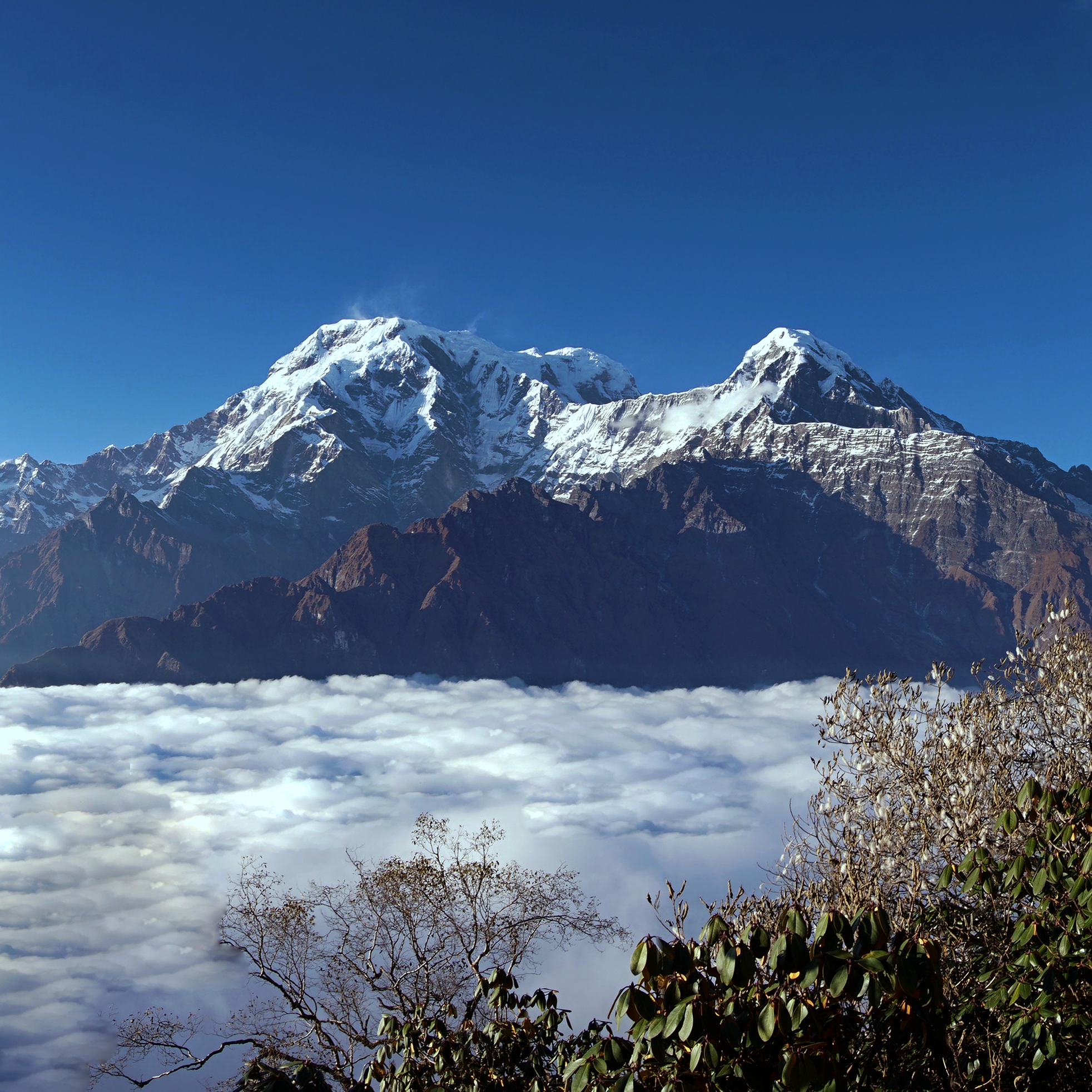
The diverse landscapes encountered during the Annapurna Circuit Trek are truly awe-inspiring. From dense rhododendron, bamboo, and oak forests to rushing rivers and cascading waterfalls, the trail captivates with every step. As the ascent progresses, the scenery transitions to alpine meadows and barren high-altitude deserts, revealing panoramic views of snow-capped peaks such as the Annapurna Massif, Dhaulagiri, Machhapuchhre (Fishtail), and more.
Beyond its natural splendour, the trek offers an enriching cultural experience. Passing through traditional villages such as Manang and Pisang, trekkers gain insight into the ancient customs and traditions of the Gurung, Thakali, and Manangi communities. Warm, hospitable interactions with the locals add depth to the cultural immersion, enhancing the overall journey.
As the Annapurna Circuit Trek's popularity has grown, it has seen some modernisation, with teahouses and lodges providing accommodation and meals along the route. This accessibility makes the trek appealing to a wider range of trekkers, while still demanding a certain level of physical fitness and acclimatisation to high altitudes.
One of the highlights of the Annapurna Circuit Trek is the thrilling crossing of the Thorong La Pass, which stands at an elevation of about 5,416 meters (17,769 feet). This challenging section of the trek rewards trekkers with a sense of accomplishment as they conquer the high-altitude pass and are greeted by breathtaking views of the surrounding peaks. However, trekkers need to be aware of the potential risks of high altitudes and be well prepared with proper gear and adequate acclimatisation to ensure a safe and enjoyable journey.
In addition to the main circuit, there are various side trails and detours that trekkers can explore to enhance their experience further. For example, a popular side trip is the Annapurna Base Camp trek, which leads to the base of the majestic Annapurna I, offering a different perspective of the mountain. Each trail variation offers unique landscapes and cultural encounters, providing trekkers with a diverse and enriching adventure.
Overall, the Annapurna Circuit Trek remains a bucket-list-worthy journey for trekkers and nature enthusiasts alike, offering a perfect blend of natural beauty, cultural exploration, and personal challenge whether trekking solo or in a group, the memories and experiences gained from this iconic route will undoubtedly last a lifetime.
Trek Duration: The Annapurna Round Trek typically takes around 15 to 20 days to complete, depending on the specific itinerary and pace of the trekker's pace.Maximum
Altitude: The highest point of the trek is the Thorong La Pass at an altitude of 5,416 meters (17,769 feet) above sea level, offering stunning panoramic views of the surrounding peaks.
Starting Point: The trek often starts in Bhulbhule or Syange, both of which are accessible by scenic drive from the city of Pokhara or Kathmandu.
Trek Difficulty: The Annapurna Round Trek is considered a moderately challenging trek, suitable for experienced trekkers and physically fit individuals. It involves steep ascents, descents, and varied terrain, requiring a good level of fitness acclimatisation.
Accommodation: Along the trekking route, there are teahouses and lodges are available. These provide basic facilities, such as a bed, meals, and sometimes hot showers. Staying in teahouses offers a more comfortable trekking experience compared to camping.
Best Time to Trek: The ideal seasons for the Annapurna Round Trek are spring (March to May) and autumn (September to November). During these months, the weather is generally stable, with clear skies and pleasant temperatures.
Permits: Trekkers need to obtain two permits for the trek - the Annapurna Conservation Area Permit (ACAP) and the TIMS (Trekkers' Information Management System) card. These permits help support conservation efforts and ensure safety for trekkers.
Cultural Highlights: The trek offers unique cultural encounters with diverse ethnic communities, such as Gurungs, Thakalis, and Manangis, each with its distinct traditions, architecture, and lifestyles.
Connectivity: While on the trek, communication services and internet connectivity are available in most villages, though they may become limited or unavailable in remote areas.
Safety Considerations: Altitude sickness is a potential risk due to the high elevations reached during the trek. Trekkers should be aware of the symptoms and take pre-acclimatisation days to minimise the risk. It is advisable to trek with a local guide or join a guided trekking group for added safety and support.
Early Exploration: The Annapurna region was relatively isolated and unknown to the outside world until the mid-20th century. It was only during the 1950s that the region started to attract the attention of adventurous explorers and mountaineers seeking to conquer the towering peaks of the Himalayas.
Maurice Herzog's Expedition: One of the most significant events that brought attention to the Annapurna region was the French expedition led by Maurice Herzog in 1950. The expedition aimed to climb Annapurna I, the 10th-highest mountain in the world. Although they successfully reached the summit, the expedition faced immense challenges, including severe weather and the loss of fingers and toes to frostbite. Despite these hardships, the expedition's success contributed to the fascination with the region's mountains.
Opening of Nepal to Tourism: In 1951, Nepal opened its doors to foreign visitors, leading to the gradual growth of trekking and tourism in the country. With increased interest from international travellers, the Annapurna region became more accessible, leading to the development of trekking trails and basic infrastructure to accommodate trekkers.
Development of Trekking Routes: Over the years, various trekking routes were explored and developed in the Annapurna region. The Annapurna Round Trek has evolved into a popular route that offers a comprehensive and diverse trekking experience, allowing trekkers to encircle the entire Annapurna massif.
Conservation Efforts: As trekking tourism grew, there was increasing concern about preserving the region's pristine natural beauty and cultural heritage of the region. In the early 1980s, the Annapurna Conservation Area Project (ACAP) was established to protect the environment and promote sustainable tourism in the area.
The Annapurna Circuit Trek is one of the most popular and spectacular trekking routes in Nepal. It takes you through diverse landscapes, from lush green valleys to high-altitude desert, offering stunning views of snow-capped peaks. Here are the main highlights of the Annapurna Circuit Trek:
Scenic beauty: The trek offers breathtaking views of some of the world's highest peaks, including Annapurna I (8,091m), Dhaulagiri (8,167m), and Manaslu (8,163m). The landscape changes dramatically from lush forests to arid high-altitude regions.
Thorong La Pass: The highlight of the trek is crossing the Thorong La Pass (5,416m), one of the highest passes in the world. The challenging ascent and descent offer a sense of accomplishment and reward trekkers with awe-inspiring panoramic views.
Annapurna Conservation Area: The trail takes you through the Annapurna Conservation Area, home to diverse flora and fauna, including rhododendron forests, rare wildlife like snow leopards, and a variety of bird species.
Unique culture and local villages: The trek takes you through several traditional Nepali villages, allowing you to experience the unique culture, lifestyle, and warm hospitality of the local people, including the Gurung, Thakali, and Manangi communities.
Muktinath Temple: At the end of the trek, you visit Muktinath, a significant pilgrimage site for both Hindus and Buddhists. The temple complex is situated at an altitude of 3,710 meters and holds great religious and cultural significance.
Jomsom and Kagbeni: These charming towns along the route offer beautiful scenery, distinctive architecture, and the chance to experience the traditional way of life in the Himalayas.
Natural hot springs: Along the way, you can relax and rejuvenate in natural hot springs at Tatopani, offering a welcome relief to tired muscles after days of trekking.
Tea houses and lodges: The Annapurna Circuit has a well-developed trekking infrastructure, with plenty of tea houses and lodges along the route, that offer food, accommodation, and opportunities to interact with fellow trekkers.
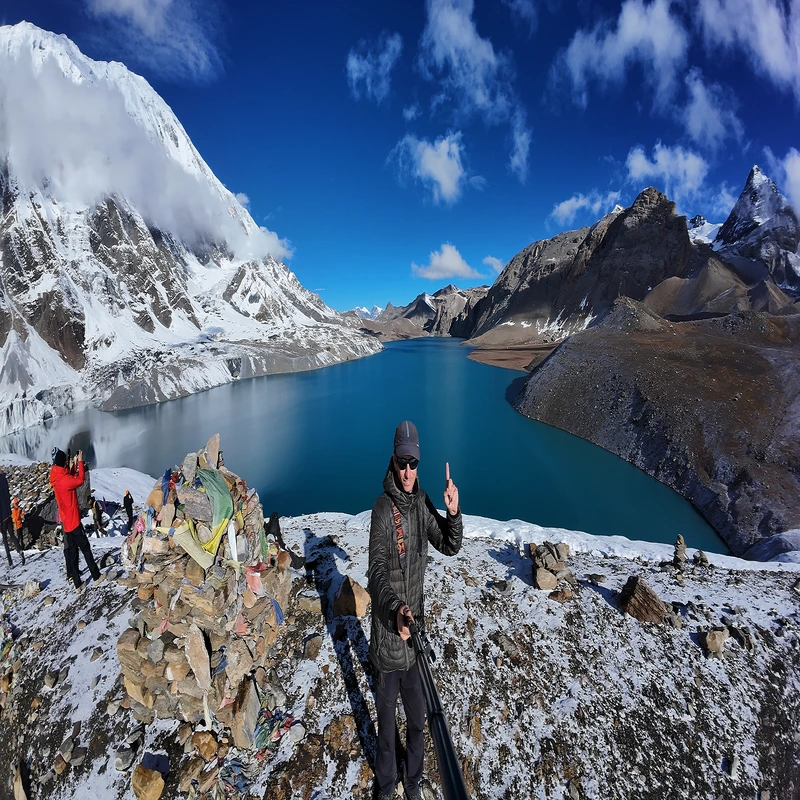
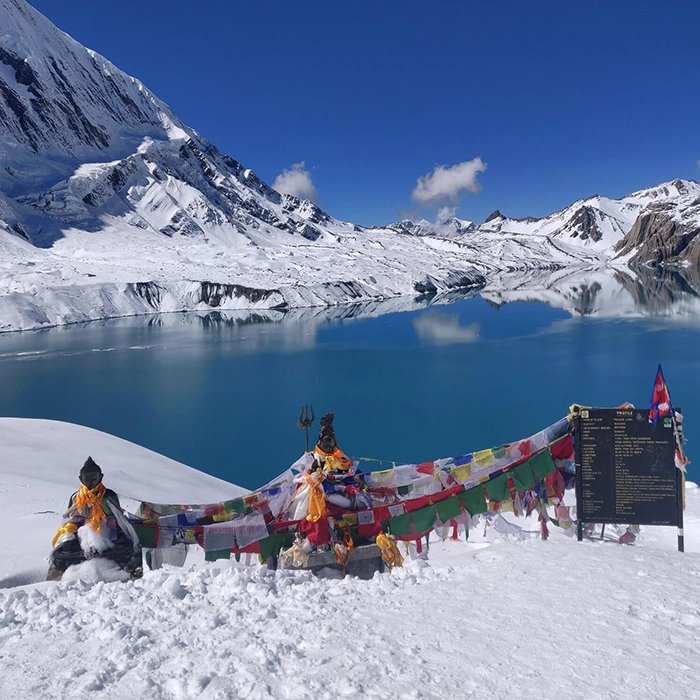
Side treks and detours: There are opportunities to explore places like Tilicho Lake, the world's highest lake at 4,919 meters, adding further adventure and exploration to your journey.
Annapurna Base Camp (optional): Some trekkers extend their trek to Annapurna Base Camp, a popular destination for trekkers seeking even closer views of the majestic Annapurna Massif.
Overall, the Annapurna Circuit Trek offers an unforgettable experience of Nepal's natural beauty, rich culture, and warm hospitality, making it a bucket-list trek for adventure enthusiasts.
Certainly! Here are some additional highlight points for the Annapurna Circuit Trek:
Diverse ecosystems: The trek takes you through a wide range of ecosystems, from subtropical jungles to alpine meadows, providing an opportunity to witness the diversity of Nepal's natural environment.
Marpha - Apple Capital of Nepal: Marpha, a picturesque village along the trek, is famous for its apple orchards and locally produced apple products, including apple brandy and apple pie.
Stunning waterfalls: The trail passes by several beautiful waterfalls, adding a touch of serenity and natural beauty to the trek.
Suspension bridges: The Annapurna Circuit has several impressive suspension bridges that span across deep gorges and roaring rivers, offering thrilling crossings and photo opportunities.
Conservation initiatives: The trek takes place within the Annapurna Conservation Area, where you can witness various conservation efforts to preserve the region's unique biodiversity and natural resources.
Challenging yet rewarding: The Annapurna Circuit Trek is physically demanding, but the sense of achievement upon completing the journey is immensely gratifying.
Religious sites: Besides Muktinath, you'll encounter monasteries, chortens (Buddhist stupas), and prayer flags along the trail, offering insights into the region's spiritual life.
Sunrise and sunset views: The trek offers some fantastic sunrise and sunset views, particularly at Poon Hill and during the ascent to Thorong La Pass, which paint the surrounding mountains in golden hues.
Local cuisine: Enjoy authentic Nepali food and traditional dishes like dal bhat (rice and lentils), momo (dumplings), and Thakali platters, and experience local flavours along the way.
Diverse trekking companions: The Annapurna Circuit attracts trekkers from all over the world, offering opportunities to meet people from diverse cultures and backgrounds and fostering a unique sense of camaraderie on the trail.
The Annapurna Circuit Trek offers trekkers the opportunity to see several notable sub-peaks and prominent mountains in the Annapurna Massif. Here are some of the main sub-peaks and mountains you can witness during the trek:
Gangapurna (7,455m): Gangapurna is one of the significant peaks visible during the trek. It stands to the east of the Annapurna III and is an attractive snow-covered mountain.
Pisang Peak (6,091m): Pisang Peak is a popular trekking peak visible from the Upper Pisang village. Many trekkers opt to climb this peak as a side trip before continuing on the circuit.
Chulu West and Chulu East: These are two separate peaks, Chulu West (6,419m) and Chulu East (6,584m), both of which require mountaineering experience to climb. They are located near Manang and are visible from parts of the trek.
Hiunchuli (6,441m): Hiunchuli is a challenging peak located near the Annapurna South. It is a less frequently climbed peak compared to others in the region.
Tent Peak (Tharpu Chuli - 5,663m): Tent Peak, also known as Tharpu Chuli, is another trekking peak that is often climbed as an extension to the Annapurna Base Camp trek.
Singu Chuli (Fluted Peak - 6,501m): Singu Chuli, also called Fluted Peak, is one of the more technically difficult trekking peaks in the Annapurna region, and it requires mountaineering expertise.
Are you ready for an incredible adventure? The Annapurna Circuit Trek in Nepal is like no other! It's a multi-day journey through the stunning Himalayas that will leave you amazed and fulfilled.
To get ready for this epic trek, start training at least 12 weeks before. Do long hikes and hill climbs to build your strength and endurance.
As you climb higher, the air gets thinner. Take it slow and give your body time to adjust. The highest point, Thorong La Pass, is at 5,416 meters. Rest and drink plenty of water to stay healthy.
The weather can be unpredictable in the mountains. Pack layers of clothes to keep warm, and don't forget a rain jacket and waterproof pants to stay dry.
You'll meet people from different cultures in remote villages along the way. Be respectful of their customs and traditions. Take pictures only with permission and cherish the meaningful connections you make.
This journey is not just about the physical challenges; it's a chance for inner transformation. Let go of the ordinary and embrace the extraordinary beauty around you. Enjoy every moment and create lasting memories.
The Annapurna Circuit Trek is an unforgettable experience for nature lovers and adventure seekers. Get ready for a life-changing journey through the Himalayas and come back with a heart full of wonder and joy.
The Annapurna Circuit Trek is a once-in-a-lifetime journey that will take you through some of the most beautiful and challenging terrain in the world. The trek is a test of physical and mental endurance, but it is also a journey of self-discovery.
As you hike through the Himalayas, you will be surrounded by snow-capped peaks, serene valleys, and picturesque villages. You will also have the opportunity to immerse yourself in the local culture. This cultural exchange will give you a deep appreciation for the resilience and wisdom of these mountain communities.
The Annapurna Circuit Trek is more than just a physical challenge. It is also a spiritual journey that will leave a lasting imprint on your soul. The trek will help you connect with nature and find your inner strength. It will also allow you to forge lifelong friendships with fellow trekkers from all over the world.
If you are looking for an adventure that will change your life, then the Annapurna Circuit Trek is the perfect choice for you. This is a journey that you will never forget.
The Annapurna Circuit Trek is one of the most popular trekking routes in the world, and for good reason. The trek offers stunning views of the Annapurna mountains, including Annapurna I, the world's tenth-highest mountain. The trek is also challenging but not overly so, making it a great option for experienced hikers and those new to trekking.
Here are the steps on how to trek the Annapurna Circuit Trek:
Plan your itinerary: There are many ways to trek the Annapurna Circuit, so decide how long you want to spend and what you want to see. A typical itinerary will take around 14-16 days.
Get your permits: You'll need to get two permits for the Annapurna Circuit Trek: the Annapurna Conservation Area Permit (ACAP) and the Trekking Information Management System (TIMS) card. You can get these permits at the Tourist Information Centre in Pokhara or at the Tourism Board Office in Kathmandu.
Pack your gear: You'll need to pack appropriate clothing for the varying altitudes and temperatures that you'll encounter on the trek. You'll also need to pack sunscreen, insect repellent, and a first-aid kit. Acclimatise to the altitude: The Annapurna Circuit is a high-altitude trek, so it's important to give your body time to acclimatise. You can do this by spending a few days hiking to lower altitudes before you start the trek.
Start trekking: Once you're ready, you can begin the Annapurna Circuit. The trek is well-marked, so you shouldn't have any trouble finding your way.
We provide experienced, knowledgeable trekking guides familiar with the Annapurna region. These guides can offer valuable insights into the area's culture, history, and geography, ensuring a more enriching experience for trekkers.
Proper Itinerary Planning:
Design a well-structured itinerary that allows for acclimatisation and accounts for the travellers' physical abilities. A well-planned itinerary can help prevent altitude sickness and ensure a safer and more enjoyable trek.
Accommodation and Meals:
Arrange comfortable and hygienic accommodation along the trekking route. Additionally, provide nutritious, varied meals to keep trekkers energised throughout their journey.
Porters and Support Staff:
Offer the option of hiring porters to carry heavy backpacks, making the trek less strenuous for travellers. Adequate support staff can assist with campsite setups, meal preparations, and other logistical needs.
Safety Measures: Prioritise safety by providing essential trekking equipment, such as first-aid kits and emergency communication devices. Conduct safety protocol briefings and ensure guides are trained to handle emergencies.
Responsible Tourism:
Promote responsible and sustainable tourism practices, encouraging travellers to respect local customs, culture, and environment. This includes minimising waste generation, using eco-friendly practices, and supporting local communities.
Pre-Trip Information:
Provide comprehensive pre-trip information to travellers, including packing lists, fitness guidelines, and tips for acclimatisation. This helps trekkers prepare adequately and enhances their overall experience.
Small Group Size:
Limit the group size to ensure a personalised experience, and minimise the impact on the environment and local communities.
Cultural Immersion Organise cultural activities, such as village tours and interactions with locals, to offer travellers a deeper understanding of the region's traditions and way of life.
Feedback and Improvement:
Encourage feedback from travellers after the trek to identify areas of improvement and implement necessary changes for future treks.
The best season to go on the Annapurna Circuit Trek is during the spring (March to May) or autumn (September to November). These seasons offer the most favourable weather conditions, with clear skies and mild temperatures. The monsoon season (June to August) can be wet and cloudy, while the winter (December to February) can be cold and snowy.
It is important to note that the weather in the Himalayas can be unpredictable, so it is always a good idea to be prepared for any conditions. However, if you are looking for the best chance of clear skies and mild temperatures, then the spring or autumn seasons are the best time to go on the Annapurna Circuit Trek.
Here are some other factors to consider when choosing a season to go on the Annapurna Circuit Trek:
Crowds: The spring and autumn seasons are also the busiest times to trek the Annapurna Circuit, so if you are looking for a more secluded experience, then you may want to consider trekking during the winter or monsoon seasons.
Flora and fauna: The spring season is a great time to see rhododendrons in bloom, while the autumn season is a good time to see the leaves change colour.
Altitude sickness: The Annapurna Circuit is a high-altitude trek, so it is important to be aware of the risks of altitude sickness. The spring and autumn seasons are generally considered to be the best times to trek the Annapurna Circuit to avoid altitude sickness.
Ultimately, the best season to go on the Annapurna Circuit Trek is a matter of personal preference. However, if you are looking for the best chance of clear skies, mild temperatures, and fewer crowds, spring or autumn is the best time to go.
Here are some cost estimates to give you a general idea:
Permits: You will need permits to trek in the Annapurna and Manaslu Conservation Areas. The costs for these permits can vary, but as of 2021, they were approximately:
Annapurna Conservation Area Permit (ACAP): Around USD 20-30 for foreigners.
Manaslu Conservation Area Permit (MCAP): Around USD 20-30 for foreigners.
Guide and Porter: Hiring a guide and/or porter is common, especially if you prefer assistance during the trek. The cost of a guide could be around USD 20-30 per day, and a porter might cost around USD 15-25 per day. These costs may include their food, accommodation, and insurance.
Accommodation and Food: The cost of accommodation and food can vary depending on the type of tea house or lodge you choose. On average, budget around USD 20-40 per day for meals and a basic room during the trek.
Transportation: Transportation costs to and from the trek's starting/ending point, often in the city of Pokhara, should also be factored in. The cost depends on your choice of transportation, such as buses or private vehicles.
Miscellaneous: Additional expenses may include snacks, drinks, hot showers (if available), charging electronic devices, and tips for guides and porters.
Considering these factors, the overall cost of the Annapurna Circuit Trek could range from USD 700 to USD 1500 or more, depending on your preferences and choices during the trek.
The Annapurna Circuit Trek in Nepal offers mesmerising adventure through diverse landscapes, picturesque villages, and breathtaking mountain views. This iconic trek has been a favourite among trekkers from around the world, attracting nature enthusiasts and thrill-seekers alike. With its unique blend of cultural experiences, challenging terrains, and awe-inspiring vistas of the Annapurna and Dhaulagiri mountain ranges, the trek promises an unforgettable journey.
When planning your Annapurna Circuit Trek, remember to obtain the necessary permits, hire experienced guides or porters as needed, and set aside a budget that covers accommodation, meals, and transportation. By embarking on this expedition, you'll immerse yourself in the natural wonders of Nepal, witness the warm hospitality of the local communities, and forge unforgettable memories.
For a seamless and unforgettable trekking experience on the Annapurna Circuit, consider partnering with reputable trekking agencies that can provide expert guidance and support throughout your journey. Prepare for a remarkable adventure that will leave you with a sense of accomplishment and a deeper connection to the stunning landscapes of the Himalayas.
route map for Annapurna Circuit Trek 14 Days
 Itinerary
After landing at Tribhuvan International Airport, you’ll be greeted by a representative who will transfer you to your hotel in the heart of the city. The rest of the day is free for you to rest, adjust to the new time zone, and recover from your journey. You might take this opportunity to explore some of Kathmandu’s renowned landmarks, such as the historic Durbar Squares, the bustling Thamel district, or the sacred Swayambhunath Stupa (also known as the Monkey Temple). Kathmandu’s rich cultural heritage and lively atmosphere provide a perfect introduction to Nepal.
In the evening, you’ll have a briefing with your trekking guide to discuss the upcoming trek and finalise any last-minute preparations. Enjoy a relaxing dinner at a local restaurant, sampling some of Nepal’s delicious cuisine, and get a good night’s rest to prepare for the adventure ahead.
For your second day's stay in Nepal, you will be introduced to the vibrant culture and history of Kathmandu, the bustling capital of Nepal. Your day begins with a guided tour to some of the city's most iconic UNESCO World Heritage Sites. Explore the ancient Swayambhunath Stupa, also known as the Monkey Temple, offering panoramic views of the valley. Next, visit the historic Kathmandu Durbar Square, where you can marvel at the intricate architecture of palaces and temples. The serene Boudhanath Stupa, one of the largest in the world, provides a peaceful respite with its spiritual ambience.
In the afternoon, you'll return to your hotel for a comprehensive trek briefing. Your guide will go over the route, discuss essential trekking tips, and ensure you have all the necessary gear. This is also a great time to meet your fellow trekkers and ask any last-minute questions. The day ends with a leisurely evening in Thamel, Kathmandu's vibrant tourist district, where you can explore shops and enjoy local cuisine, all while building excitement for the journey ahead.
Your journey into the heart of the Himalayas begins today with an early morning drive from Kathmandu to Besisahar, a small but picturesque village nestled along the Marshyangdi River. The drive, which takes approximately 7-8 hours, offers a fascinating transition from the bustling cityscape of Kathmandu to the serene countryside, where terraced fields, traditional villages, and lush forests dominate the landscape. As you wind your way along the Prithvi Highway, you'll pass through several charming towns and witness the daily lives of the locals, all against the backdrop of the ever-present mountains.
The road gradually ascends into more rugged terrain as you enter the Annapurna region, with the scenery becoming increasingly dramatic. Upon reaching Chamje, you'll be greeted by the sight of towering cliffs and the sound of the roaring river. After settling into your teahouse, take some time to relax and soak in the peaceful surroundings. The anticipation of the trek truly begins here, as tomorrow you'll start your first steps on the Annapurna Circuit, setting the tone for the incredible adventure ahead.
The drive from Besisahar to Chame offers a remarkable journey through the Annapurna region's diverse landscapes. The trail starts with a steady ascent through pine forests and along the banks of the Marshyangdi River, gradually revealing breathtaking vistas of the surrounding peaks. As you climb, you'll cross a series of wooden and suspension bridges, providing excellent vantage points to admire the valley below and the majestic mountains above.
Passing through traditional villages like Bagarchap, where you'll witness the daily rhythms of mountain life, the trek continues to ascend gently. The path becomes more scenic as you enter the Manang District, characterised by wide valleys and striking views of the Annapurna and Lamjung Himal ranges. The contrast between the lush, green lower elevations and the increasingly arid upper regions becomes more pronounced as you approach Chame.
Upon reaching Chame, the district headquarters of Manang, you'll find a bustling village with a range of amenities, including cosy teahouses and small shops. The area is known for its impressive views of the towering Annapurna II and the distinctive rock formations surrounding the village. After checking into your teahouse, you'll have time to explore Chame's local attractions, visit the local monastery, and soak in the majestic mountain scenery. The day's trek, approximately 5-6 hours, offers a perfect blend of natural beauty and cultural immersion, setting the stage for the adventures that lie ahead.
The trail from Chame to Upper Pisang takes you deeper into the heart of the Annapurna region, with landscapes that shift from lush forests to open, high-altitude vistas. The trail begins with a gradual ascent through a scenic pine forest, offering excellent views of the surrounding peaks and the lush valley below. As you climb, you’ll start to notice the characteristic Tibetan architecture of the villages.
Passing through the village of Lower Pisang, you’ll continue your ascent towards Upper Pisang. The path winds through a series of terraced fields and rocky outcrops, offering ever-expanding views of the Annapurna and Pisang peaks. The terrain becomes more arid and rugged as you approach Upper Pisang, which sits at an altitude of about 3,300 meters.
Upon reaching Upper Pisang, you'll be greeted with panoramic views of the Annapurna range, including the impressive Annapurna II and III, as well as the striking peak of Pisang. This village provides a tranquil setting for rest and acclimatization. After settling into your teahouse, take the opportunity to explore the local area and immerse yourself in the unique culture of this high-altitude community. The day ends with a peaceful evening, where you can enjoy the serenity of the Himalayan landscape and prepare for the adventures of the following days.
During the 7th day, the trek from Upper Pisang to Manang offers an incredible journey through diverse landscapes and stunning vistas. As you leave Upper Pisang, the trail gradually descends and then ascends again, offering a mix of terrain that showcases the natural beauty of the Annapurna region.
The path takes you through the fascinating regions of Ghyaru and Ngawal, where traditional Tibetan-style villages and their unique architecture add cultural richness to your trek. The trail offers breathtaking views of the Annapurna and Gangapurna ranges, as well as the strikingly barren landscapes characteristic of the Tibetan plateau. Continuing, you’ll descend into the Manang Valley, a high-altitude, desert-like area that offers spectacular views of the surrounding peaks. As you approach Manang, you’ll notice the stark contrast between the lush forests you’ve trekked through and the arid, rocky landscapes of this high-altitude region.
Manang, located at an altitude of about 3,540 meters, is a key stop for acclimatisation before heading to higher altitudes. This charming village, with its traditional stone houses and Buddhist monasteries, offers a chance to explore and experience local culture. You can visit the Manang Gompa, a significant monastery in the area, and enjoy the stunning panoramic views from the village. After a day of trekking, relax at your teahouse and take in the serene atmosphere as you prepare for the next phase of your adventure.
Today is dedicated to acclimatisation in Manang, an essential day to help your body adjust to the high altitude before continuing your trek. While this is a rest day, it's also an opportunity to explore and enjoy the unique aspects of the Manang Valley.
Start your day with a leisurely breakfast at your teahouse, and then set out to explore the village. Manang is known for its striking landscapes and rich cultural heritage. Visit the Manang Gompa, a historic monastery where you can witness traditional Buddhist rituals and gain insights into the local religious practices. The gompa offers fantastic views of the surrounding peaks and is a serene spot for reflection. For a bit of light trekking, consider a hike to the nearby Khangsar Village or Gangapurna Lake. Both destinations provide stunning vistas and are great for acclimatization. The hike to Khangsar Village is a gentle ascent that offers panoramic views of the Annapurna range, while the walk to Gangapurna Lake allows you to enjoy the peaceful surroundings and the pristine beauty of this high-altitude lake.
In the afternoon, take some time to relax and enjoy the slower pace of life in Manang. Explore local shops, sample traditional Tibetan food, or simply enjoy the breathtaking scenery. This day of rest is crucial for your acclimatization, helping to prevent altitude sickness and ensuring you’re well-prepared for the trek ahead. And as the sun sets, gather with fellow trekkers to discuss your journey so far and share stories. A good night’s rest will set you up for the exciting and challenging days ahead as you continue your adventure in the Annapurna Circuit.
The trek from Manang to Yak Kharka is a scenic and gradual ascent through the alpine landscape of the Annapurna region. The journey begins with a steady climb out of Manang, following the trail as it winds through high-altitude meadows and sparse vegetation. The terrain gradually becomes more rugged as you gain altitude, offering breathtaking views of the surrounding peaks and valleys.
The route takes you alongside the Jarsang Khola, a mountain stream that adds a soothing soundscape to your trek. As you hike, you'll cross several wooden and stone bridges, and the trail offers glimpses of the vast, open landscapes that characterise this high-altitude environment.
Yak Kharka, situated at approximately 4,000 meters, is a small settlement primarily consisting of traditional stone lodges and temporary yak herders' shelters. The village is named for the yaks that graze in the surrounding pastures, and you may encounter these hardy animals along the way. The stark yet beautiful landscape of Yak Kharka is characterised by rolling hills and rocky outcrops, offering expansive views of the Annapurna and Gangapurna peaks.
Upon arrival in Yak Kharka, settle into your teahouse and take some time to rest and acclimate. The higher altitude may start to affect you, so staying hydrated and taking it easy is important. Enjoy a warm meal and relax as you prepare for the next leg of your trek. The serene environment of Yak Kharka provides a peaceful backdrop for a good night's rest, ensuring you're ready for the challenging days ahead as you continue your journey towards Thorong La Pass.
Today's trek from Yak Kharka to Thorong Phedi is an essential step in your journey, as you move closer to the iconic Thorong La Pass, the highest point on the Annapurna Circuit. The trail begins with a gradual ascent through a stark, rugged landscape, where the vegetation becomes increasingly sparse and the terrain more barren. As you trek, you'll be surrounded by dramatic mountain scenery, with the Annapurna and Dhaulagiri ranges forming a stunning backdrop. The path follows the course of the Jarsang Khola, offering refreshing views of the mountain stream and its icy-blue waters.
The journey to Thorong Phedi, situated at around 4,450 meters, is relatively short but steep. This village, which translates to "foot of the pass," serves as the final stop before you tackle the Thorong La Pass. The trail offers increasingly expansive views as you approach, with the imposing peak of Thorong Peak becoming a prominent feature in the landscape.
Upon arrival in Thorong Phedi, you'll find a cluster of basic lodges where you can rest and prepare for the high-altitude crossing of Thorong La Pass the next day. Take the opportunity to relax and hydrate, as the altitude can start to affect your energy levels. A hearty meal and an early night’s rest will be crucial for the challenging trek ahead. Enjoy the peaceful, high-altitude environment of Thorong Phedi, and mentally prepare for the thrilling ascent to Thorong La Pass.
Today is one of the most exhilarating days of your trek as you conquer the Thorong La Pass, the highest point on the Annapurna Circuit at 5,416 meters. The day begins with an early-morning departure from Thorong Phedi to ensure you have ample time to tackle the pass and reach Muktinath.
The ascent to Thorong La Pass is steep and challenging, requiring a steady pace and careful acclimatisation. As you climb, the cold, crisp air and high altitude can make breathing more difficult, so take frequent breaks to catch your breath and stay hydrated. The breathtaking views from the pass are well worth the effort—panoramic vistas of the Annapurna and Dhaulagiri ranges stretch out before you, offering a stunning reward for your hard work. After reaching the pass, take some time to celebrate and enjoy the dramatic scenery. The descent from Thorong La is equally spectacular, with the terrain shifting from rocky, alpine landscapes to more arid, desert-like environments as you enter the Mustang region.
The trail descends towards Muktinath, a significant pilgrimage site for both Hindus and Buddhists. The journey from the pass to Muktinath is long but rewarding, with varied landscapes and impressive views throughout the descent. After a full day of trekking, you'll arrive in Muktinath, located at around 3,800 meters. In Muktinath, settle into your lodge and take some time to explore the sacred site. Muktinath is renowned for its temple and the sacred 108 waterspouts, which pilgrims come to seek blessings from. Enjoy the peaceful atmosphere and reflect on your achievement of crossing the Thorong La Pass.
Today’s trek from Muktinath to Jomsom is a scenic journey through the arid, wind-swept landscapes of the Mustang region. As you leave Muktinath, the trail descends gradually through a stark and picturesque valley, characterised by its unique desert-like terrain and striking rock formations.
The path takes you through several small villages, including Ranipauwa and Kagbeni. Kagbeni, in particular, is known for its traditional mud-brick houses and ancient monasteries, providing a glimpse into the local culture and history of the Mustang region. The village is a great spot for a brief rest and exploration before continuing your trek. As you continue towards Jomsom, the trail follows the Kali Gandaki River, which cuts through the deep gorge between the Annapurna and Dhaulagiri ranges. This section of the trek offers stunning views of the surrounding mountains and the river valley, with the occasional sight of yaks and other local wildlife.
Jomsom, located at an altitude of 2,700 meters, serves as a major administrative and transport hub in the Mustang region. Upon arrival, you’ll find a range of facilities, including lodges, shops, and restaurants. After settling into your teahouse, take some time to explore the town and enjoy a well-deserved rest. Jomsom’s relaxed atmosphere provides a perfect setting to unwind and reflect on your trek so far. The day ends with a chance to savour local cuisine and prepare for the final stages of your journey back to Kathmandu.
Today, the participants will take a scenic drive from Jomsom to Pokhara, transitioning from the high-altitude landscapes of Mustang to the lush, verdant surroundings of the Pokhara Valley. The drive is a long one, typically taking about 8-10 hours, but it offers a unique opportunity to experience the diverse landscapes of Nepal.
The journey begins with a descent from the arid terrain of Jomsom, gradually transitioning into more temperate, fertile regions. As you leave Jomsom, the road follows the Kali Gandaki River, winding through dramatic gorges and picturesque valleys. The route provides stunning views of the river, terraced fields, and charming mountain villages. Along the way, you’ll traverse several small towns and rural areas, offering glimpses into the everyday life of the local communities. The road itself can be bumpy and challenging, but the ever-changing scenery makes the drive memorable. You’ll pass through lush forests, scenic riverbanks, and terraced farmland, experiencing the rich diversity of Nepal’s landscape.
Upon reaching Pokhara, you’ll find yourself in a stark contrast to the rugged high-altitude environment of the trek. Pokhara is known for its serene lakes, vibrant markets, and stunning mountain views. After checking into your hotel, you can relax and explore this beautiful lakeside city. Enjoy a leisurely evening by Phewa Lake, where you can take a boat ride or soak in the tranquil atmosphere. This day marks a transition from the rugged trek to the relaxed pace of Pokhara, offering a perfect opportunity to unwind and enjoy the region's natural beauty.
Today is dedicated to exploring the many attractions that make Pokhara a favourite destination for visitors. Start your day with a leisurely breakfast at your hotel before setting out to discover the highlights of this picturesque city. Begin with a visit to Phewa Lake, the heart of Pokhara. Enjoy a serene boat ride on the lake, taking in the reflections of the surrounding hills and the majestic Machapuchare (Fishtail) Peak. You can also visit Tal Barahi Temple, located on an island in the lake, and admire its vibrant architecture and tranquil setting.
Next, head to the Davis Falls, a natural wonder where the water cascades into a deep gorge, creating a dramatic and refreshing sight. Nearby, you can explore the Gupteshwor Cave, which houses a sacred shrine dedicated to Lord Shiva. Thecave'ss unique rock formations and the waterfall inside make it an intriguing place to visit. In the afternoon, make your way to the World Peace Pagoda on a hilltop overlooking Pokhara. This Buddhist stupa offers panoramic views of the city, Phewa Lake, and the surrounding mountains. It's a peaceful spot for reflection and relaxation, with its serene atmosphere enhancing the spiritual experience.
Later, visit the International Mountain Museum to learn about the rich history and culture of the Himalayan region. The museum features exhibits on the mountain peaks, climbing expeditions, and the diverse cultures of the Himalayas. In the evening, explore Lakeside Pokhara, a vibrant area filled with shops, cafes, and restaurants. Enjoy a stroll along the lakeside promenade, sample local and international cuisine, and perhaps do some last-minute shopping for souvenirs. End your day with a relaxing dinner at one of the lakeside restaurants, savouring the local delicacies and reflecting on your incredible journey through the Annapurna Circuit.
We will drive back from Pokhara to Kathmandu, marking the end of your memorable trek through the Annapurna Circuit. The drive takes approximately 6-8 hours, offering a scenic journey through Nepal’s diverse landscapes. As you leave Pokhara, the road will take you through a series of picturesque towns and rural areas. Enjoy the ever-changing views of terraced fields, lush hills, and charming villages along the way. The drive offers a chance to reflect on your trekking adventure and take in the natural beauty of Nepal’s countryside one last time.
During the drive, you may stop at various points to stretch your legs and take in the local sights. The journey includes several river crossings and winding roads that provide stunning views of the Trishuli River and the surrounding hills. Upon arriving in Kathmandu, you’ll be greeted by the bustling atmosphere of the city. Check into your hotel and take some time to relax after the long drive. Depending on your remaining time, you might choose to explore some of Kathmandu’s famous sites or do some final shopping for souvenirs.
In the evening, consider celebrating your trek with a special dinner at one of Kathmandu’s many restaurants, reflecting on the incredible journey you’ve completed. This final day provides an opportunity to unwind and savor the experiences of your Annapurna Circuit adventure before preparing for your departure the following day.
Cost Include
Trekking Permits: Annapurna Conservation Area Permit (ACAP) and TIMS card
Cost Exclude
gallery and videos
Additional Information
freqeuntly asked question
enquiry for further inforamtion
package reviews and rating
write reviews
 Group Join Discount
| Nos Of Persons | price per person |
|---|
upcomming fixed departure
| Trip | Departure Date | Price | Trip Status | Action |
|---|
UpComming Fixed Departure
offered features

Selling Expedition
showing varified reviews