
Duration
24 days
Activity
Trekking
best season
Summer
Accommodation
Tea House
Destination
Kangchenjunga Region
New Offers !!! 2026 New Booking open With 10% Discount

 iconic summary
from0Reviews
Guides And Language
facility
Value For Money
Service
Location
Overviews
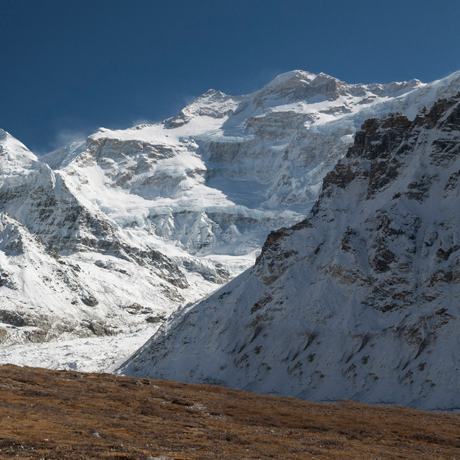
The Kanchenjunga Base Camp Trek is one of the most spectacular and rewarding Himalayan trails, offering trekkers an unforgettable adventure in the eastern part of Nepal. "Kanchenjunga," which means "crystal clear" in Nepali, refers to the majestic 8,586-meter peak that stands as the third highest mountain in the world. Known as the "Five Treasures of the Great Snow," Kanchenjunga is believed to represent gold, silver, precious stones, grain, and holy scriptures. This awe-inspiring mountain straddles the border between Nepal and Sikkim, India, making it visible from multiple countries, including India, Bhutan, and Tibet.
The Kanchenjunga Base Camp trekking route takes adventurers through the breathtaking Arun Valley, widely regarded as one of Nepal's most picturesque trekking regions. This journey offers a diverse range of landscapes, from lush subtropical forests and alpine grasslands to rugged glacial moraines and rocky scree slopes. As trekkers ascend, they're treated to panoramic views of some of the world's highest peaks, including Lhotse (8,516m), Everest (8,848m), Makalu (8,481m), and of course, the magnificent Kanchenjunga (8,586m) itself.
One of the main highlights of this trek is the Kanchenjunga Conservation Area, spanning 2,035 square kilometers. This protected region is a haven for diverse flora and fauna, including rare and endangered species such as the Himalayan black bear, musk deer, snow leopard, red panda, and wild boar. Nature enthusiasts and wildlife photographers will find ample opportunities to observe and capture the area's rich biodiversity.
When considering the Kanchenjunga Base Camp trek difficulty, it's important to note that this is a strenuous and challenging expedition. The trek involves long walking days at high altitudes, often in remote areas with basic facilities. Trekkers should be in good physical condition and have previous high-altitude trekking experience. The terrain can be tough, with steep ascents and descents, and weather conditions can be unpredictable.
Despite its challenges, the Kanchenjunga Base Camp trek is immensely rewarding. The sense of accomplishment upon reaching the base camp, coupled with the breathtaking views and unique cultural experiences, make it a bucket-list adventure for many trekking enthusiasts.
The Kanchenjunga Base Camp trek cost can vary depending on several factors, including the duration of the trek, the level of comfort desired, and whether you're trekking with a group or opting for a private tour. On average, a 20-25 day guided trek can range from $2,000 to $3,500 per person. This typically includes permits, accommodation, meals, transportation within Nepal, and guide and porter services.
It's worth noting that while it may be tempting to cut costs, investing in a reputable trekking company ensures your safety, comfort, and overall enjoyment of the experience. Companies like Gorkha International Travel Pvt. Ltd., with their extensive experience since 2002, offer comprehensive packages that cover all necessary aspects of the trek.
For those considering a Kanchenjunga Base Camp trek solo, it's important to understand the challenges and regulations. While solo trekking is technically possible, it's not recommended due to the remote nature of the region and the potential risks involved. The Nepali government requires all trekkers in this area to be accompanied by a licensed guide and to trek in groups of at least two people.
If you're set on a more independent experience, consider joining a small group trek or hiring a guide and porter while maintaining a flexible itinerary. This approach allows for a degree of autonomy while ensuring your safety and compliance with local regulations.
The Kanchenjunga region is home to a diverse mix of ethnic communities, including Sherpas, Rais, Limbus, and Gurungs. Trekking through this area provides a unique opportunity to immerse yourself in the rich tapestry of local cultures, traditions, and lifestyles. You'll pass through remote villages, visit ancient monasteries, and interact with friendly locals, gaining insights into their way of life in this challenging mountain environment.
Many trekking companies, including Gorkha International Travel, prioritize sustainable and responsible tourism practices. They work closely with local communities to ensure that tourism benefits the region while preserving its cultural and natural heritage.
To make the most of your Kanchenjunga Base Camp trekking experience, proper preparation is key. This includes:
When planning your Kanchenjunga Base Camp trek, selecting a reputable trekking company is crucial. Gorkha International Travel Pvt. Ltd., with its long-standing experience in Nepalese tourism since 2002, offers expertly guided treks with a focus on safety, comfort, and cultural immersion. They handle all logistical aspects, including permits, transportation, accommodation, and guide services, allowing you to focus on enjoying the trek. Their English-speaking local guides provide invaluable insights into the region's geography, culture, and natural history, enhancing your trekking experience. Moreover, they ensure you have access to the best available accommodation options along the trekking route, maximizing your comfort in this remote region.
In conclusion, the Kanchenjunga Base Camp Trek offers an unparalleled adventure for those seeking to explore one of the world's most spectacular mountain regions. While challenging, the trek rewards participants with stunning landscapes, rich biodiversity, and unique cultural experiences. Whether you're a seasoned trekker or an ambitious novice, proper preparation and choosing the right trekking company can turn this expedition into the adventure of a lifetime. So, when you're ready to embark on this incredible journey to the roof of the world, remember that companies like Gorkha International Travel are there to make your Himalayan dreams a reality.
route map for Kanchenjunga Base Camp Trek
 Itinerary
Upon landing at Tribhuvan International Airport, you'll be greeted by our representative and transferred to your hotel in Kathmandu. Take time to rest and acclimate to the new time zone. If you arrive early, you might explore the vibrant streets of Thamel, known for its shops, restaurants, and trekking gear stores. In the evening, attend a trip briefing where you'll meet your guide, discuss the trek itinerary, and have the opportunity to ask any questions about the upcoming adventure.
In the morning, we'll complete the necessary permit procedures for the Kanchenjunga trek. This includes obtaining the Kanchenjunga Conservation Area Permit and the Restricted Area Permit. The 45-minute flight offers stunning views of the Himalayan range on a clear day. Upon landing in Bhadrapur, we'll begin a scenic drive to Ilam, a journey of about 3-4 hours. Ilam is famous for its tea gardens and serene landscapes. We'll spend the night in Ilam, allowing us to rest and prepare for the trek ahead. This transition day helps us acclimatize gradually as we move from the Kathmandu Valley to the eastern hills of Nepal.
Today marks the beginning of our journey into the Kanchenjunga region. After an early breakfast, we'll embark on a long but scenic drive from Ilam to Taplejung, which takes approximately 7-8 hours. The route winds through lush tea gardens, terraced fields, and dense forests, offering glimpses of rural Nepali life. We'll pass through several small towns and villages, each with its own charm. As we ascend, the landscape gradually changes, and on clear days, we might catch our first views of the distant Himalayan peaks. Taplejung, our destination, is the gateway to the Kanchenjunga trek and the last major town we'll encounter. Here, we'll have our final opportunity to stock up on any last-minute supplies. We'll spend the night in Taplejung, resting and preparing for the trek that begins tomorrow.
On this day, we officially begin our trek towards Kanchenjunga Base Camp. After an early breakfast, we'll start our journey from Taplejung (1,820m) to Mitlung (921m). The trail descends steeply through terraced fields and small villages, offering panoramic views of the surrounding hills. We'll cross the Tamur River and follow its course, passing through subtropical forests rich with diverse flora and fauna. The path alternates between gentle slopes and steeper sections, providing a good warm-up for the days ahead. As we trek, we'll encounter local Limbu people, known for their unique culture and warm hospitality. After about 5-6 hours of trekking, we'll reach Mitlung, our stop for the night. Here, we'll set up camp or stay in a basic teahouse, enjoying our first night on the trail and the serene atmosphere of the lower Kanchenjunga region.
We begin our day early, departing Mitlung (921m) for Chiruwa (1,270m). The trail follows the Tamur River, winding through lush forests and terraced fields. We'll cross several suspension bridges, each offering thrilling views of the rushing river below. The path gradually ascends, providing a moderate challenge as we gain altitude. Along the way, we'll pass through small settlements and might encounter locals tending their crops or carrying goods. The diverse vegetation changes subtly as we climb, transitioning from subtropical to temperate flora. After approximately 5-6 hours of trekking, we'll reach Chiruwa, a small village with basic amenities. Here, we'll spend the night in a teahouse or camp, surrounded by the peaceful sounds of nature. This day's journey offers a perfect blend of natural beauty and cultural insights, setting the tone for the adventure ahead in the Kanchenjunga region.
Our trek today leads us from Amjilosa (2,308m) to Gyabla (2,730m), continuing our ascent into the higher reaches of the Kanchenjunga region. We set out early, following a trail that winds through dense alpine forests and along steep hillsides. The path today is characterized by a mix of gradual inclines and some steeper sections, offering a good balance of challenge and scenic beauty. We'll pass through areas rich in diverse flora, including rhododendrons, which, if we're trekking in the right season, may be in full bloom, painting the hillsides in vibrant colors.
As we climb, the views become increasingly spectacular. On clear days, we might catch glimpses of distant snow-capped peaks, hinting at the grandeur that awaits us further along the trek. The trail also offers several vantage points overlooking deep valleys and the winding Ghunsa Khola river below. We'll cross a few mountain streams via well-maintained wooden bridges, each crossing providing a moment to pause and take in the surrounding beauty. The air becomes noticeably crisper as we gain altitude, and the vegetation starts to thin out, signaling our transition into a higher alpine environment. After about 5-6 hours of trekking, we reach Gyabla, a small, picturesque settlement nestled in the mountains. Here, we'll find basic teahouse accommodations for the night.
The village offers a unique opportunity to observe the local lifestyle and perhaps interact with residents who have adapted to life in this remote, high-altitude region. As we settle in for the evening, we can reflect on our progress so far and prepare for the increasingly challenging days ahead. The night in Gyabla also serves as an important acclimatization stop, allowing our bodies to adjust to the higher altitude before we push further into the Kanchenjunga wilderness.
Today’s trek offers a captivating journey through diverse landscapes. Departing from Gyabla, you'll descend into a picturesque valley adorned with lush vegetation. The trail follows the winding river, its melodic murmur providing a soothing soundtrack to your trek. As you gain altitude, the surroundings gradually transform into a mesmerizing tapestry of rhododendron forests, their vibrant blooms adding a splash of color to the verdant landscape.
Keep a keen eye out for glimpses of the majestic Kanchenjunga massif, which begins to dominate the skyline. The trail eventually opens up to a broader valley, where you'll encounter the charming Tibetan village of Phale. This quaint settlement offers a glimpse into the local culture and lifestyle.
As you continue your ascent, the terrain becomes more rugged, with rocky paths and steeper inclines. The reward for your efforts is the stunning panorama that unfolds upon reaching Ghunsa, a bustling village that serves as a gateway to higher altitudes.
Ghunsa offers a comfortable respite after the day's trek. Explore the village, interact with the friendly locals, and soak in the breathtaking mountain views. As the day draws to a close, relax in the warmth of a cozy teahouse, savoring the local cuisine while recounting the day's adventures.
On Day 10, we take a well-deserved break from our ascent to allow our bodies to acclimate to the increasing altitude. This day is crucial for adjusting to the lower oxygen levels and minimizing the risk of altitude sickness. We will spend the day in Ghunsa, a charming village surrounded by snow-capped peaks and lush green landscapes. The day will be filled with light activities, such as short hikes around the village, exploring the local monasteries, and interacting with the friendly locals. These activities not only help with acclimatization but also offer a deeper insight into the culture and lifestyle of the region.
This rest day will also provide an opportunity to enjoy the breathtaking views of the Kanchenjunga massif and its neighboring peaks, recharge our energy, and prepare for the challenging days ahead. In the afternoon, we can visit the Ghunsa Gompa, an ancient Buddhist monastery, and immerse ourselves in the spiritual ambiance of the place. The acclimatization day is a perfect balance of rest and light activity, ensuring that we are well-prepared for the higher altitudes and more demanding treks to come. This day of rest will not only enhance our physical readiness but also enrich our trekking experience with cultural and natural marvels.
On Day 11, we embark on an exhilarating trek from Ghunsa to Khangpachen. This segment of the journey takes us deeper into the majestic landscapes of the Kanchenjunga region, traversing through dense rhododendron and pine forests. The trail gradually ascends, offering spectacular views of snow-clad peaks and pristine valleys. As we move higher, the vegetation starts to thin out, revealing more rugged and dramatic terrain.
The trek is approximately 6-7 hours long, covering a distance of about 10 kilometers. Along the way, we'll cross several suspension bridges over glacial rivers and pass through quaint mountain hamlets, where we can catch glimpses of the traditional lifestyle of the local Sherpa people. The path is both challenging and rewarding, with every step bringing us closer to the grandeur of the Himalayas.
Upon reaching Khangpachen, a picturesque settlement nestled in a stunning valley, we will be greeted by awe-inspiring views of the towering peaks, including the north face of Jannu (Kumbhakarna). This is a perfect spot to rest and absorb the natural beauty surrounding us. We’ll spend the evening exploring the area, taking photographs, and preparing for the next day’s adventure. This day’s trek is not just a physical challenge but also a feast for the senses, with the untouched beauty of the Himalayas leaving a lasting impression.
Day 12 takes us on a thrilling trek from Khangpachen to Lhonak, a journey that immerses us even deeper into the heart of the Himalayas. We start our day early, navigating through rugged trails and ascending steadily as the landscape transforms into a high-altitude wonderland. The trail offers dramatic vistas of towering peaks, glacial moraines, and expansive valleys, with each step bringing us closer to the pristine beauty of Lhonak.
The trek covers a distance of approximately 8 kilometers and takes about 5-6 hours. As we progress, the air becomes thinner, and the vegetation sparse, highlighting the stark and majestic beauty of the high-altitude environment. We will cross rocky terrains, traverse glacial streams, and be treated to breathtaking views of some of the world's highest peaks, including the majestic Kanchenjunga and its surrounding summits.
Upon reaching Lhonak, we find ourselves in a remote and serene setting, surrounded by towering mountains and glistening glaciers. This secluded spot is perfect for experiencing the raw, untouched splendor of the Himalayas. After setting up camp, we'll have time to explore the area, take photographs, and soak in the awe-inspiring scenery. The evening will be spent preparing for the next leg of our trek, as we marvel at the beauty of the starlit sky and the grandeur of the peaks that surround us. This day’s journey is both challenging and profoundly rewarding, offering an unforgettable experience of the Himalayas' rugged and sublime landscapes.
This day is one of the most exhilarating and challenging days of our journey, as we trek from Lhonak to the Kanchenjunga Base Camp and then return to Lhonak. We start early to maximize our time at the base camp, embarking on a trek that promises unparalleled views and a profound sense of accomplishment. The trail to the base camp is rugged and steep, crossing glacial moraines and rocky terrains. As we ascend, we are rewarded with awe-inspiring views of the Kanchenjunga massif and its neighboring peaks.
The trek to the base camp covers approximately 6 kilometers and takes about 3-4 hours. Upon reaching the Kanchenjunga Base Camp, we find ourselves at the foot of the world's third-highest mountain, surrounded by a panorama of snow-covered peaks and vast glaciers. This is a moment to savor, as we take in the majestic beauty of the Himalayas and capture memories through photographs. The sense of achievement and the breathtaking scenery make this an unforgettable highlight of our trek.
After spending some time at the base camp, we begin our descent back to Lhonak. The return trek, covering another 6 kilometers, takes around 2-3 hours. As we retrace our steps, we can reflect on the incredible journey and the stunning landscapes we've encountered. Once back in Lhonak, we'll rest and rejuvenate, sharing stories and experiences from the day's adventure. This day’s trek is both physically demanding and immensely rewarding, offering a once-in-a-lifetime experience of standing at the base of one of the world's most iconic mountains.
Day 14 marks our descent from Lhonak back to the welcoming village of Ghunsa. After an early breakfast, we begin our trek, retracing the path that brought us to the high altitudes. The trail leads us through the striking landscapes we admired on our ascent, offering a new perspective on the rugged beauty of the region. This segment of the trek covers approximately 18 kilometers and takes about 6-7 hours. As we descend, the air becomes richer with oxygen, and the surroundings gradually transform from barren high-altitude terrains to lush valleys and dense forests. The trek offers continuous views of the stunning Himalayan peaks, with every turn revealing a new vista of snow-capped mountains and glacial rivers.
We cross suspension bridges and pass via the familiar mountain hamlets, where we may pause to interact with locals and learn more about their way of life. The descent, while easier on the lungs, still requires careful footing, especially on the steeper sections of the trail. Upon reaching Ghunsa, we'll feel a sense of homecoming in this serene village, with its friendly inhabitants and picturesque setting. The afternoon can be spent resting and exploring any parts of the village we may have missed previously. As we settle in for the evening, we can enjoy the warmth and comfort of Ghunsa, reflecting on the incredible journey we’ve undertaken and preparing for the remaining days of our trek. This day is a blend of physical activity and peaceful relaxation, providing a balanced end to the high-altitude segment of our adventure.
Then, we leave the tranquil village of Ghunsa and head towards High Camp, our next destination on this exhilarating journey. This trek takes us through diverse landscapes, starting with lush forests and gradually ascending into alpine zones with sparser vegetation. The trail is well-marked but can be challenging, with steep sections that test our endurance and determination. The trek covers a distance of approximately 10 kilometers and takes about 5-6 hours. As we climb higher, the air grows thinner, and the temperature drops, reminding us of the altitude we are gaining. Along the way, we are treated to breathtaking views of towering peaks, cascading waterfalls, and expansive valleys. The beauty of the surrounding landscape serves as a powerful motivator, driving us forward despite the physical demands of the trek.
High Camp is a strategic stop, providing us with an excellent vantage point for the following day's climb. Once we reach High Camp, we set up our tents and take some time to rest and acclimate. The location offers panoramic views of the mountains, making it an ideal spot for photography and quiet contemplation. In the evening, we gather for a hearty meal, sharing stories and building camaraderie with our fellow trekkers. This day is a testament to our progress and resilience, as we continue to push our limits and prepare for the final stages of our Kanchenjunga adventure. The sense of achievement and anticipation at High Camp sets the tone for the exciting challenges and stunning vistas that lie ahead.
Today might be the most challenging day as we cross over two passes on our way to Tseram, the highest pass being the Sele La (4480m) and Sinion La (4660). Upon reaching the top of the passes, we are rewarded with an amazing view of Yalung Glacier, Jannu (7710m), Makalu (8481m), Baruntse (7129m), Kanchenjunga (8586m), and many other mountain ranges along the Sikkim border. We then descend to Tseram. Overnight at a lodge in Tseram.
We embark on a captivating trek from Tseram to Ramche, journeying deeper into the heart of the Kanchenjunga region. This trek takes us through a landscape of unparalleled beauty, as we gradually ascend through alpine meadows and glacial valleys. The trail is adorned with vibrant rhododendron and juniper bushes, adding splashes of color to the otherwise stark terrain. The trek covers a distance of approximately 6 kilometers and takes about 4-5 hours. As we move higher, the air becomes crisper, and the panoramic views of the surrounding peaks grow even more magnificent. The path, though less strenuous than previous days, requires careful navigation due to the rocky and uneven terrain.
Upon reaching Ramche, we are greeted by the breathtaking sight of the Yalung Glacier and the towering south face of Kanchenjunga. This remote and serene location offers a perfect vantage point to appreciate the grandeur of the Himalayas. After setting up camp, we have the opportunity to explore the area, taking in the stunning views and capturing the majestic scenery with our cameras. The evening at Ramche is spent in quiet reflection and relaxation, as we prepare for the next day's adventures. The tranquility of this high-altitude campsite, coupled with the awe-inspiring natural surroundings, makes this day a memorable highlight of our trek. The journey from Tseram to Ramche not only brings us closer to our ultimate destination but also deepens our connection with the rugged beauty of the Himalayas.
Today is an exciting day as we set out to explore Oktang before trekking back to Tseram. We start early, eager to witness the dramatic landscapes and panoramic views that await us at Oktang. The trail leads us through rugged terrain, gradually ascending as we approach the Oktang viewpoint. This trek is approximately 5 kilometers each way, making for a total of about 10 kilometers for the day, and takes around 7-8 hours in total. As we trek towards Oktang, the sight of the Yalung Glacier becomes more prominent, and the towering south face of Kanchenjunga looms majestically in the background. The viewpoint at Oktang offers an unparalleled panorama of some of the highest peaks in the world, including the massive south face of Kanchenjunga. This is a moment to pause and absorb the sheer magnitude and beauty of the Himalayas, capturing photographs and creating lasting memories.
After spending some time at Oktang, taking in the breathtaking scenery and the serene atmosphere, we begin our descent back to Tseram. The trek back follows the same route, allowing us to enjoy the stunning views from a different perspective. As we retrace our steps, the trail reveals new angles of the magnificent landscape, making the return journey equally captivating. Upon arriving in Tseram, we settle in for the evening, reflecting on the incredible sights we witnessed at Oktang. The day's adventure, with its blend of challenging trekking and awe-inspiring vistas, leaves us with a deep sense of fulfillment and appreciation for the natural wonders of the Kanchenjunga region. This day’s exploration and trek back to Tseram is a highlight of our journey, offering both physical challenge and visual splendor.
Day 19 takes us on a scenic trek from Tseram to Tortong, a journey that winds through diverse landscapes and offers captivating views. We begin our descent early, leaving behind the high-altitude terrain and gradually making our way into lush, verdant valleys. The trail is well-defined and meanders through alpine meadows, dense forests, and along the banks of pristine rivers. This trek covers a distance of approximately 10 kilometers and takes about 6-7 hours. As we descend, the increase in oxygen levels and the warmer temperatures are a welcome change. The path is lined with rhododendron and bamboo forests, adding vibrant colors and an element of serenity to our journey. Along the way, we pass cascading waterfalls and cross several wooden bridges, enhancing the picturesque nature of the trek.
Tortong is a quaint village nestled in a beautiful valley, offering a peaceful respite after a day of trekking. Upon arrival, we settle into our accommodations and take some time to explore the village and its surroundings. The tranquility of Tortong, combined with the stunning natural beauty, provides an ideal setting for relaxation and reflection. In the evening, we gather for a hearty meal, sharing stories of our adventures and bonding with our fellow trekkers. The descent from Tseram to Tortong is a delightful experience, allowing us to immerse ourselves in the rich biodiversity and stunning landscapes of the lower Himalayan region. This day’s trek is a perfect blend of physical activity and natural beauty, ensuring a memorable and rewarding journey.
We start our day early, following a trail that winds through lush forests and serene river valleys. The trek is a gradual ascent, transitioning from the lower altitudes of Tortong to the higher elevations of Yamphudim. Covering a distance of about 12 kilometers, the trek typically takes around 6-7 hours. As we make our way along the trail, we pass through vibrant meadows and cross several streams, enjoying the changing scenery and the rich tapestry of flora and fauna. The path is dotted with scenic viewpoints, offering glimpses of the surrounding mountains and valleys.
Yamphudim, our destination for the night, is a picturesque settlement that provides a tranquil setting amidst nature. Upon arrival, we have the chance to rest and explore the village, taking in its charming atmosphere and enjoying the peaceful surroundings.
In the evening, we gather for a meal and share stories of the day's trek. The journey from Tortong to Yamphudim is a delightful blend of natural beauty and cultural immersion, offering a memorable and enriching experience. This day’s trek is a fitting conclusion to our exploration of the Kanchenjunga region, leaving us with lasting memories of the diverse landscapes and serene environments we’ve encountered along the way.
We embark on a scenic trek from Yamphudim to Khebang, concluding our journey through the Kanchenjunga region. We start our trek early, as we descend from the lush landscapes of Yamphudim into the lower altitudes. The trail meanders through terraced fields, charming villages, and vibrant forests, offering a diverse range of scenery. The trek covers approximately 15 kilometers and takes about 6-7 hours. As we make our way towards Khebang, we pass through fertile valleys and cross several small streams. The terrain is generally moderate, with occasional ascents and descents that provide varied and enjoyable hiking conditions.
Upon reaching Khebang, we are greeted by the warmth and hospitality of this local village. Khebang is known for its picturesque setting and welcoming atmosphere, making it a perfect place to reflect on our trek and unwind. The village offers a glimpse into the daily life of the local communities, providing an enriching cultural experience. In the evening, we gather for a celebratory meal, sharing stories and reflecting on the remarkable journey we’ve completed. The trek from Yamphudim to Khebang is a fitting end to our adventure, blending scenic beauty with cultural immersion and offering a memorable conclusion to our exploration of the Kanchenjunga region.
We transition from trekking to travel as we drive from Khebang to Ilam. This journey marks the final leg of our adventure, taking us from the serene, remote villages of the Kanchenjunga region to the bustling town of Ilam. The drive covers a distance of approximately 70 kilometers and takes about 5-6 hours, depending on road conditions. As we travel, we enjoy the changing scenery, from the lush green landscapes and terraced fields of Khebang to the more developed surroundings of Ilam. The route offers picturesque views of rolling hills, traditional farms, and local settlements, providing a visual farewell to the stunning landscapes we’ve explored.
Upon arrival in Ilam, we have the opportunity to relax and unwind. Ilam is known for its tea gardens and scenic beauty, offering a pleasant contrast to the high-altitude trekking we’ve experienced. We can explore the town, visit local markets, and enjoy some well-deserved rest after our extensive trek.
In the evening, we gather for a final meal, reflecting on the incredible journey and the memories we’ve created. The drive from Khebang to Ilam is a smooth transition back to the hustle and bustle of everyday life, serving as a fitting conclusion to our adventure and allowing us to savor the rich experiences of the Kanchenjunga trek.
We begin our journey back to Kathmandu with a morning drive from Ilam to Bhadrapur Airport. The drive, which takes approximately 3-4 hours by jeep, offers a final chance to appreciate the scenic beauty of the region as we traverse through rolling hills and vibrant countryside. The route is filled with picturesque landscapes, traditional villages, and lush tea gardens, providing a serene farewell to the eastern part of Nepal.
Upon arriving at Bhadrapur Airport, we check in for our flight back to Kathmandu. The flight offers a stunning aerial view of Nepal's diverse topography, from the fertile plains to the towering mountains we’ve explored. As we soar over the landscape, we can reflect on the incredible adventure we’ve experienced and the natural beauty we’ve witnessed.
Upon landing in Kathmandu, we are greeted by the city's vibrant atmosphere and bustling energy. The transition from the tranquil hills to the lively capital marks the end of our journey. We can use the rest of the day to relax, explore Kathmandu’s cultural landmarks, or enjoy some last-minute shopping and dining. In the evening, we gather for a celebratory dinner, sharing stories and reflecting on our trek through the Kanchenjunga region. This day marks a fitting conclusion to our adventure, blending the final moments of travel with the excitement of returning to the capital city.
As this will be the last day here in Nepal. We prepare for our final departure from Kathmandu. After a leisurely breakfast, we have some free time to explore any last-minute sights, do some final shopping, or simply relax. As the day progresses, we transfer to Tribhuvan International Airport for our departure. Reflecting on the incredible journey we’ve undertaken, we bid farewell to Nepal, taking with us cherished memories of the Kanchenjunga trek and the stunning landscapes we’ve explored. Our adventure concludes with a sense of fulfillment and gratitude, as we head home with stories and experiences to share. Safe travels and until we meet again!
Cost Include
Cost Exclude
gallery and videos
Additional Information
freqeuntly asked question
enquiry for further inforamtion
package reviews and rating
write reviews
 Group Join Discount
| Nos Of Persons | price per person |
|---|
upcomming fixed departure
| Trip | Departure Date | Price | Trip Status | Action |
|---|
UpComming Fixed Departure
offered features

Selling Expedition
showing varified reviews