
Duration
8 Days
Activity
Trekking
best season
March-May/Sept-Dec
Accommodation
Teahouse/Lodge
Destination
Langtang Region
New Offers !!! 2026 New Booking open With 10% Discount

 iconic summary
from3Reviews
Guides And Language
facility
Value For Money
Service
Location
Overviews
The Langtang Valley Trek is a journey of discovery. It is a journey through the stunning natural beauty of the Himalayas, and a journey through the rich culture and history of the Tamang and Sherpa people. It is a journey of self-discovery, as you challenge yourself physically and mentally, and as you connect with your inner peace.
The trek begins in the lush forests of the Langtang National Park, where you will see rhododendrons, magnolias, and bamboo. As you ascend, the landscape becomes more rugged, with snow-capped peaks and glaciers. You will pass through quaint villages, where you can experience the hospitality of the local people and sample their delicious food.
The trek is not without its challenges. There are steep climbs, and you will need to be in good physical condition. However, the rewards are great. The views are breathtaking, and the sense of accomplishment is immense.
The Langtang Valley Trek is more than just a physical challenge. It is also a spiritual journey. As you walk through the mountains, you will have time to reflect on your life and your place in the world. You will come to a deeper understanding of yourself, and you will find a sense of peace and tranquility.
The trek is also a journey through time. You will pass through ancient villages that have been inhabited for centuries. You will see Buddhist monasteries that have stood for centuries. You will learn about the history of the Tamang and Sherpa people, who have been living in the Himalayas for centuries.
The Langtang Valley Trek is a journey that will challenge you, transform you, and enrich your life. It is a journey that you will never forget.
Here are some of the things you will experience on the Langtang Valley Trek:
Stunning natural beauty: You will see snow-capped peaks, glaciers, lush forests, and cascading waterfalls.
Rich culture and history: You will learn about the Tamang and Sherpa people, their culture, and their history.
Physical challenge: The trek is challenging, but it is also rewarding.
Spiritual journey: The trek is a great opportunity to reflect on your life and connect with your inner peace.
Sense of accomplishment: When you reach the end of the trek, you will feel a sense of accomplishment that is unmatched.
Langtang Valley Trek is a popular and rewarding trekking destination in Nepal. Situated in the Langtang National Park, this trek offers breathtaking views of the Himalayas, unique cultural experiences, and diverse landscapes. Here are the main highlight points with explanations for the Langtang Valley Trek:
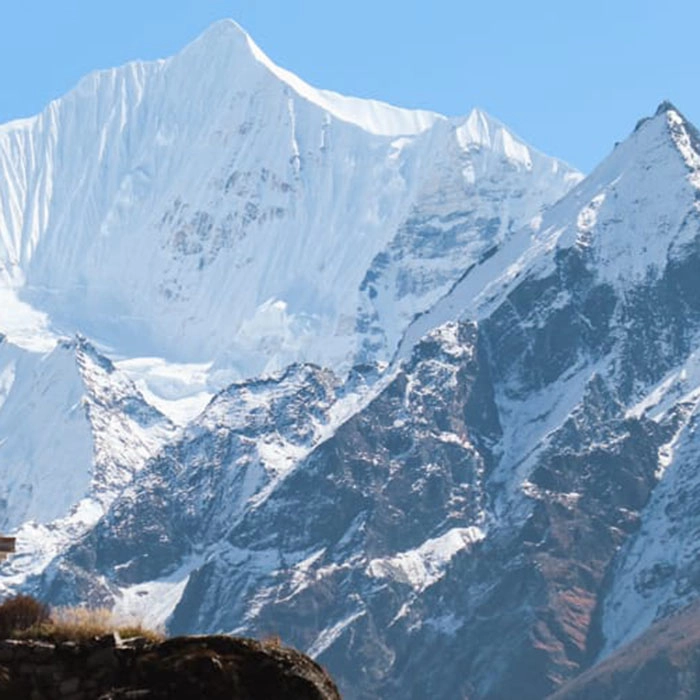
Spectacular Mountain Views: The Langtang Valley Trek provides stunning views of some of the world's highest peaks, including Langtang Lirung (7,234m), Langtang II (6,571m), and Dorje Lakpa (6,966m). These majestic snow-capped mountains form a dramatic backdrop throughout the trek, making it a treat for nature and mountain lovers.
Rich Cultural Experiences: Trekking through the Langtang region allows you to experience the unique culture and lifestyle of the Tamang and Sherpa communities. These ethnic groups have their distinct customs, traditions, and language, providing trekkers with an enriching cultural exchange.
Langtang National Park: The trek takes you through the Langtang National Park, home to a diverse range of flora and fauna. The park is a sanctuary for several endangered species like red pandas, snow leopards, and Himalayan tahrs. Walking amidst this natural splendor is an unforgettable experience for nature enthusiasts.
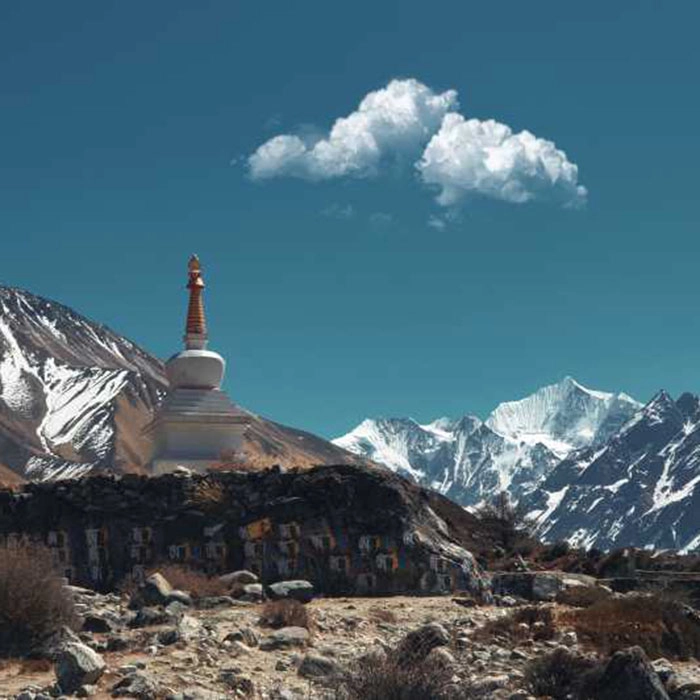
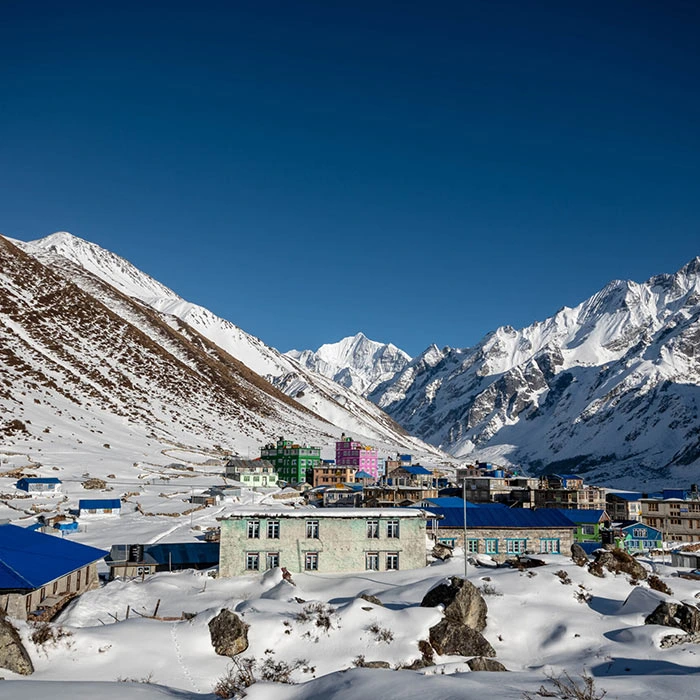
Kyanjin Gompa and Cheese Factory: At Kyanjin Gompa, a Buddhist monastery, you can explore the spiritual side of the region. The ancient Gompa stands amidst the panoramic Himalayan vistas, creating a serene and awe-inspiring setting. Additionally, the area is famous for its traditional yak cheese production, and you can visit the local cheese factory to learn about the traditional cheese-making process.
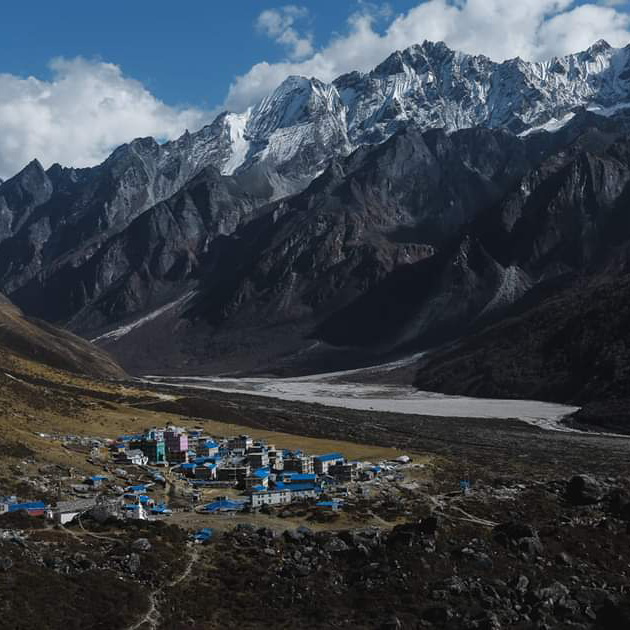
Unique Landscapes: The Langtang Valley Trek offers diverse landscapes, including lush rhododendron and bamboo forests, alpine meadows, and rugged rocky terrains. Crossing glacial streams and witnessing the Langtang River gushing through the valley adds to the trek's adventurous appeal.
Tea Houses and Accommodation: Throughout the trail, there are plenty of tea houses and lodges that provide comfortable accommodation and meals. This means you don't need to carry a heavy backpack or camping gear, making the trek suitable for a wide range of trekkers, including beginners.
Off-the-Beaten-Path Experience: Though Langtang Valley Trek has gained popularity over the years, it still offers a more peaceful and less crowded experience compared to the popular Everest and Annapurna regions.
Overall, the Langtang Valley Trek is a perfect blend of natural beauty, cultural exploration, and adventure, making it an ideal choice for trekkers seeking a memorable Himalayan experience.
Tserko Ri (4,984m): Tserko Ri is one of the most popular sub-peaks in the Langtang region. It is located near Kyanjin Gompa and offers a challenging yet rewarding climb. From the summit, trekkers are treated to breathtaking panoramic views of the Langtang Lirung range, Yala Peak, and other nearby peaks.
Kyanjin Ri (4,774m): Kyanjin Ri is another stunning viewpoint near Kyanjin Gompa. Though slightly lower in elevation compared to Tserko Ri, it still provides spectacular vistas of the surrounding peaks and the Langtang Valley. Many trekkers opt to hike Kyanjin Ri to witness the sunrise over the Himalayas.
Langshisha Ri (6,427m): For more experienced mountaineers seeking a thrilling challenge, Langshisha Ri presents an opportunity for a technical climb. Situated near the Langtang Glacier, this sub-peak requires mountaineering skills and a permit, but the reward is an unmatched view of the Himalayan giants.
Yala Peak (5,520m): Yala Peak is a popular trekking peak in the Langtang region. It is a non-technical climb, suitable for adventurous trekkers with basic mountaineering skills. The summit offers stunning views of Langtang Lirung, Shishapangma, and the Ganesh Himal range.
Ganja La Chuli (Naya Kanga) (5,844m): Ganja La Chuli, also known as Naya Kanga, is another trekking peak in the Langtang region. This peak requires mountaineering expertise and a permit. The climb is challenging but provides an extraordinary sense of accomplishment and unparalleled mountain vistas.
Dorje Lakpa (6,966m): Dorje Lakpa is one of the major peaks in the region, visible from various points during the trek. Although it is a technically difficult peak to climb and requires a permit from the Nepal Mountaineering Association, its sheer presence and beauty add to the trekking experience.
Duration: The Langtang Valley Trek typically takes 5-7 days to complete, but can be extended to 10-15 days if you want to do some side hikes or explore the Tamang Heritage Trail.
Highest point: The highest point on the trek is Kyanjin Ri, which is at an altitude of 4,773 meters (15,663 feet). You can also climb Tserko Ri, which is at an altitude of 5,033 meters (16,500 feet).
Difficulty: The Langtang Valley Trek is considered to be a moderate trek. However, the altitude can be a challenge for some people, so it is important to acclimatize properly.
Start/finish: The trek starts in Syabru Besi and finishes in Kyanjin Gompa. You can also start in Kathmandu and take a jeep to Syabru Besi.
Permits: You will need to obtain a TIMS card and a Langtang National Park permit before you start the trek.
Accommodation: There are tea houses along the trail where you can stay overnight. You can also camp if you prefer.
Best time to go: The best time to go on the Langtang Valley Trek is during the spring (March-May) or autumn (September-November).
Here are some other interesting facts about the Langtang Valley Trek:
- The Langtang Valley is home to a number of ethnic groups, including the Tamang, Sherpa, and Ghale.
- The valley is also home to a number of Buddhist monasteries, including Kyanjin Gompa, which is one of the oldest and most important monasteries in the Langtang region.
- The Langtang Valley is a popular trekking destination, but it is still relatively uncrowded compared to some other trekking areas in Nepal.
The history of the Langtang Valley Trek is long and complex. The valley has been inhabited for centuries by a number of ethnic groups, including the Tamang, Sherpa, and Ghale. The first recorded European to visit the valley was the British explorer George Everest in 1848.
In the early 1900s, the Langtang Valley became a popular destination for British and European mountaineers. The first ascent of Langtang Lirung, the highest peak in the valley, was made by Eric Shipton and Bill Tilman in 1950.
In the 1960s, the Langtang Valley Trek became increasingly popular with trekkers from all over the world. The trail was improved and tea houses were built along the way, making it easier for trekkers to travel through the valley.
The Langtang Valley was severely affected by the 2015 Nepal earthquake. The earthquake caused landslides and avalanches that destroyed many villages and teahouses in the valley. However, the valley has since been rebuilt and the Langtang Valley Trek is once again a popular trekking destination.
Here are some of the key events in the history of the Langtang Valley Trek:
1848: George Everest visits the valley.
1903: The first European mountaineers climb Langtang Lirung.
1960s: The Langtang Valley Trek becomes popular with trekkers from all over the world.
2015: The Nepal earthquake severely affects the valley.
2016-present: The valley is rebuilt and the Langtang Valley Trek is once again a popular trekking destination.
Enjoying the Langtang Valley Trek is a delightful and fulfilling experience that combines the wonders of nature, cultural immersion, and personal achievement. As I embark on this trek, I am immediately captivated by the stunning mountain vistas that surround me. The snow-capped peaks, deep valleys, and diverse landscapes create a surreal backdrop for my journey. Along the trail, I encounter warm and hospitable locals from the Tamang and Sherpa communities, who share their rich culture and traditions, making every interaction an opportunity to learn and connect. The comfortable tea houses and lodges provide a cozy respite after a day of trekking, where I relish hearty meals and immerse myself in the camaraderie of fellow trekkers. Every step taken towards sub-peaks like Tserko Ri or Kyanjin Ri brings a sense of accomplishment and a chance to witness breathtaking sunrises and sunsets. As I reflect on my Langtang Valley Trek, it becomes clear that the memories of this enchanting journey will forever stay with me, leaving an indelible mark on my heart and a deep appreciation for the beauty and diversity of Nepal's Himalayan region.
Here are some of the reasons why you should trek to Langtang Valley:
Stunning scenery: The Langtang Valley is home to some of the most stunning scenery in Nepal. The snow-capped peaks of the Langtang Range, the lush green valleys, and the clear blue lakes are simply breathtaking.
Unique culture: The Langtang Valley is home to a number of ethnic groups, including the Tamang, Sherpa, and Ghale. These groups have their own unique cultures and traditions, which you can learn about by visiting their villages.
Challenging trek: The Langtang Valley Trek is a challenging trek, but it is not too difficult. The trails are well-maintained and there are tea houses along the way, so you do not need to be an experienced trekker to complete the trek.
Uncrowded: The Langtang Valley is not as crowded as some of the other trekking areas in Nepal. This means that you will have more time to enjoy the scenery and the culture without having to jostle with other tourists.
Off-the-beaten-path: The Langtang Valley is still relatively off-the-beaten-path, which means that you will have the chance to experience Nepal in a more authentic way.
If you are looking for a challenging but rewarding trek with stunning scenery, unique culture, and fewer crowds, then the Langtang Valley Trek is the perfect choice for you.
Here are some additional tips for trekking in the Langtang Valley:
- Start your trek early in the season (March-May or September-November). The weather is more pleasant during these times and the trails are less crowded.
- Acclimatize properly. The Langtang Valley is at a high altitude, so it is important to acclimatize properly to avoid altitude sickness.
- Be prepared for the weather. The weather in the Langtang Valley can change quickly, so be prepared for anything.
- Hire a guide or porter. If you are not experienced in trekking, it is a good idea to hire a guide or porter to help you on your trek.
To trek the Langtang Valley, one should first begin by obtaining the necessary permits and documents. A trekking permit is required, which can be obtained from the Nepal Tourism Board or through a registered trekking agency. Additionally, obtaining a Langtang National Park entry permit is essential, as the trek passes through the park's protected area. With permits secured, the next step is to arrange transportation to the trek's starting point, typically from Kathmandu to Syabrubesi. Once in Syabrubesi, the actual trek commences, and it is essential to hire a licensed guide or join a reputable trekking agency to ensure safety and navigate the trail effectively.
The Langtang Valley Trek generally takes 7-10 days to complete, depending on the chosen itinerary and pace. The trek follows a well-marked trail, passing through lush forests, picturesque villages, and serene valleys. Each day involves trekking for a few hours, with plenty of tea houses and lodges along the route for accommodation and meals. The trek offers opportunities to climb sub-peaks like Tserko Ri or Kyanjin Ri, adding to the adventure and capturing breathtaking views of the surrounding mountains. Proper acclimatization is crucial, as the altitude increases during the trek. Trekkers should stay well-hydrated, maintain a steady pace, and listen to their guide's instructions for a safe and enjoyable Langtang Valley Trek experience.
To make the Langtang Valley Trek more effective, consider the following tips:
Physical Fitness and Training: Prior to the trek, focus on improving your physical fitness through regular cardio exercises and hiking practice. Strengthen your leg muscles and build endurance to handle the trek's challenging terrain and altitude.
Acclimatization: To avoid altitude sickness, plan for sufficient acclimatization days during the trek. Ascend gradually and spend an extra day at higher altitudes to allow your body to adjust to the thinner air.
Proper Packing: Pack light but essential items for the trek. Ensure you have appropriate clothing for varying weather conditions, comfortable hiking shoes, a first aid kit, and essential personal items. Keep your backpack organized for easy access to essentials.
Hydration and Nutrition: Stay hydrated throughout the trek by drinking plenty of water. Carry water purification tablets or a filter to ensure access to clean drinking water. Consume nutritious meals at tea houses to maintain energy levels.
Trek with a Guide: Hiring a licensed guide enhances safety, provides local insights, and ensures you stay on the correct path. They can also assist with any language barriers and handle logistics.
Environmental Awareness: Practice responsible trekking by leaving no trace of your presence. Avoid littering and respect the local culture and traditions. Carry a reusable water bottle and limit the use of single-use plastics.
Travel Insurance: Obtain comprehensive travel insurance that covers trekking activities, including medical emergencies and evacuation.
Photography and Enjoyment: Take time to capture the beautiful landscapes with your camera but also remember to soak in the natural beauty and culture. Embrace the serenity of the surroundings and cherish the moments on this remarkable journey.
Early Start and Pacing: Begin trekking early in the morning to take advantage of clear skies and avoid harsh weather conditions in the afternoon. Pace yourself throughout the trek, maintaining a steady and comfortable rhythm to conserve energy and reduce the risk of fatigue.
Rest and Recovery: Listen to your body and take short breaks during the trek to rest and recover. Regular breaks help prevent overexertion and ensure you remain energized for the entire journey.
Trekking Seasons: Choose the best time to trek the Langtang Valley. The ideal seasons are spring (March to May) and autumn (September to November) when the weather is pleasant, and the skies are clear, offering the best mountain views.
Group Size: Consider trekking with a small group of like-minded individuals. A smaller group allows for a more personalized experience, enhances safety, and minimizes the impact on the environment.
Emergency Contacts: Carry a list of emergency contacts, including local authorities and your trekking agency's contact details. Inform your trekking agency about your itinerary and ensure someone knows your whereabouts during the trek.
Cultural Sensitivity: Respect the local culture and traditions. Seek permission before taking photographs of people, their homes, or religious sites. Learn some basic Nepali phrases to communicate and show appreciation for the local customs.
Weather Preparedness: Be prepared for unpredictable weather changes in the mountains. Pack waterproof clothing and gear to stay dry during rain or snowfall.
Trekking Permits: Keep your trekking permits and identification documents easily accessible and safe. Local authorities may check permits along the trail.
Garbage Disposal: Carry a small trash bag and collect your waste during the trek. Dispose of it properly at designated waste disposal points.
Support Local Economy: Purchase locally made products and souvenirs to support the local economy. Avoid buying products made from endangered wildlife or plants.
The best time to go on the Langtang Valley Trek is during the spring (March-May) or autumn (September-November). During these seasons, the weather is mild and sunny, with clear views of the mountains. The trails are also less crowded during these times.
The monsoon season (June-August) can be wet and humid, and the trails can be muddy and slippery. However, if you are looking for a challenge, you can trek during the monsoon season.
The winter (December-February) is also a good time to go on the Langtang Valley Trek, but the weather can be cold and snowy. You will need to be properly equipped for the cold weather if you choose to trek during the winter.
Ultimately, the best time to go on the Langtang Valley Trek depends on your personal preferences and what you are looking for in a trekking experience.
Here are some additional factors to consider when choosing a season to go on the Langtang Valley Trek:
Altitude sickness: The Langtang Valley is at a high altitude, so it is important to acclimatize properly to avoid altitude sickness. The spring and autumn seasons are generally better for acclimatization, as the weather is more stable and there is less chance of sudden changes in altitude.
Flora and fauna: The Langtang Valley is home to a variety of flora and fauna, including rhododendrons, junipers, and snow leopards. The spring and autumn seasons are the best times to see these plants and animals, as they are in bloom or active during these times.
Cultural festivals: There are a number of cultural festivals held in the Langtang Valley throughout the year. The most famous festival is the Langtang Gompa Festival, which is held in October. If you are interested in experiencing Nepal's culture, you may want to time your trek to coincide with one of these festivals.
The cost of the Langtang Valley Trek can vary depending on a number of factors, including the length of the trek, the level of comfort you want, and the time of year you go. However, in general, the Langtang Valley Trek is considered to be a relatively affordable trek.
Here is a breakdown of some of the costs you can expect to incur on the Langtang Valley Trek:
Permits: You will need to obtain a TIMS card and a Langtang National Park permit before you start the trek. These permits cost USD 25 and USD 30, respectively.
Accommodation: There are tea houses along the trail where you can stay overnight. The cost of accommodation varies depending on the teahouse, but you can expect to pay between USD 10 and USD 20 per night.
Food: You can buy food at the tea houses along the trail. The cost of food varies depending on the teahouse, but you can expect to pay between USD 5 and USD 10 per meal.
Porters: If you do not want to carry your own backpack, you can hire a porter to help you. The cost of a porter varies depending on the porter, but you can expect to pay between USD 15 and USD 20 per day.
Other expenses: Other expenses you may incur include transportation to and from the trailhead, tips, and souvenirs.
In total, you can expect to spend between USD 700 and USD 1500 for a 7-day Langtang Valley Trek. However, the cost can be higher or lower depending on your individual needs and preferences.
The Langtang Valley Trek is an extraordinary adventure that combines breathtaking natural beauty, rich cultural experiences, and a sense of personal accomplishment. The trek offers a unique opportunity to immerse oneself in the pristine landscapes of the Langtang region, surrounded by majestic Himalayan peaks, lush forests, and charming villages. The encounters with the warm and welcoming local communities add a profound cultural dimension to the journey, leaving trekkers with cherished memories of cultural exchanges and genuine hospitality. The sub-peaks and vantage points provide thrilling challenges and unforgettable panoramic views, rewarding every effort put into the trek.
As trekkers embark on this remarkable journey, it is crucial to approach the Langtang Valley Trek with a sense of responsibility and mindfulness towards the environment and local communities. By practicing responsible trekking, preserving the natural beauty, and respecting the local customs, we can ensure the sustainability of this awe-inspiring destination for generations to come. The Langtang Valley Trek is not just a trek; it is an enriching experience that touches the heart and soul, leaving travelers with a deep appreciation for the wonders of nature, the warmth of human connections, and the beauty of the Himalayas.
route map for Langtang Valley Trek - 8 Days
 Itinerary
Your Langtang Valley adventure begins with a scenic drive from Kathmandu to Syabrubesi, a bustling village that serves as the gateway to the Langtang region. The drive takes you through picturesque landscapes, winding along rivers and terraced fields as you transition from the urban sprawl of Kathmandu to the serene foothills of the Himalayas. Along the way, you’ll enjoy views of the lush, green countryside and local villages. Upon reaching Syabrubesi, check into your lodge and take a leisurely walk around the village. This initial immersion in the natural beauty and local culture sets the stage for the trekking adventure ahead.
After breakfast, you’ll start your trek from Syabrubesi to Lama Hotel, following a trail that gradually ascends through dense forests of rhododendron and oak. The path winds alongside the Langtang River, providing soothing sounds of rushing water and opportunities to spot wildlife such as monkeys and birds. As you climb higher, the forest gives way to stunning views of the surrounding mountains. Arrive at Lama Hotel, a quaint stopover nestled in the woods. Here, relax and enjoy a warm meal, reflecting on the day’s journey and preparing for the next leg of your trek.
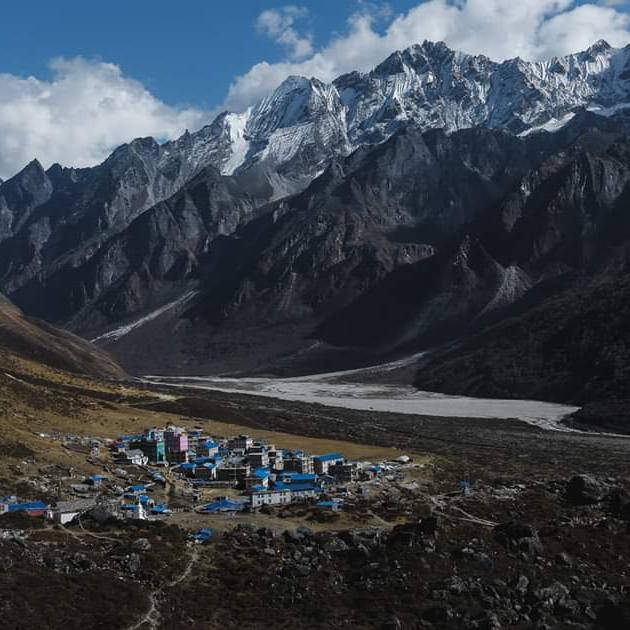
Today’s trek takes you from Lama Hotel to Langtang Village, a journey that showcases the evolving landscapes of the Langtang Valley. The trail ascends gradually through picturesque forests and open meadows, offering breathtaking views of the Langtang range. As you approach Langtang Village, you’ll pass through traditional Tamang settlements, where you can observe local life and culture. The village itself, situated at an elevation of around 3,430 meters, is known for its stunning backdrop of snow-capped peaks. Settle into your lodge, enjoy a hearty meal, and soak in the tranquil atmosphere of this charming mountain village.
Embark on a picturesque trek from Langtang Village to Kyanjin Gompa, the high-altitude monastery that marks the end of the Langtang Valley. The trail offers spectacular views of the surrounding peaks, including Langtang Lirung and other towering mountains. As you ascend, the landscape transforms into a high-altitude environment with open pastures and rugged terrain. Kyanjin Gompa, located at 3,870 meters, is a serene and historic site, offering magnificent vistas of the Langtang range. Upon arrival, explore the monastery and enjoy the stunning panoramic views of the surrounding peaks.
Today is dedicated to acclimatization, a crucial step to ensure your body adjusts to the higher altitude before continuing your trek. Spend the day exploring the area around Kyanjin Gompa. You can take a day hike to Kyanjin Ri or Tserko Ri, both of which offer incredible views of the Langtang range and surrounding peaks. This day of exploration helps you acclimatize while providing breathtaking vistas and opportunities for photography. Return to your lodge in the afternoon, relax, and enjoy the peaceful environment as you prepare for the journey back to Lama Hotel.
Today, you’ll retrace your steps from Kyanjin Gompa back to Lama Hotel. The descent offers a different perspective of the landscapes you passed on your way up, with sweeping views of the Langtang Valley and its surrounding peaks. The trail descends through lush forests and meadows, gradually making its way back to the lower altitudes. Upon reaching Lama Hotel, settle in and enjoy a well-deserved rest. Reflect on the highlights of your trek and prepare for the final leg of your journey back to Syabrubesi.
Complete your trek with a return journey from Lama Hotel to Syabrubesi. The trail follows the same path you took on the way up, offering a chance to appreciate the landscapes once again. As you descend, the scenery changes, with lush greenery and flowing rivers providing a soothing backdrop. Arrive back in Syabrubesi, where you can relax and celebrate the completion of your trek. Enjoy a final evening in the village, reflecting on your adventure and savoring the local cuisine.
Cost Include
Cost Exclude
gallery and videos
 Additional Information
freqeuntly asked question
enquiry for further inforamtion
package reviews and rating

2023-10-16 12:53:44
The trek kicked off from Syabrubesi, a quaint village with a backdrop of lush hills. As we set out, the promise of what lay ahead lingered in the air, filling us with anticipation.
2023-10-16 12:52:26
My Langtang Valley Trek in Nepal was an enchanting journey through pristine landscapes, charming villages, and the heartwarming culture of the Tamang people. This trek was a perfect blend of adventure and serenity, and it left an indelible mark on my soul. Here's my review of this remarkable experience:
write reviews
 Group Join Discount
| Nos Of Persons | price per person |
|---|---|
| 1 persons | US$ 600 |
| 2 persons | US$ 570 |
| 3-5 persons | US$ 558 |
| 6-9 persons | US$ 540 |
| 10-15 persons | US$ 528 |
| 16+ persons | US$ 510 |
upcomming fixed departure
| Trip | Departure Date | Price | Trip Status | Action |
|---|---|---|---|---|
| 1. Langtang Valley Trek - 8 Days | 2026-03-23, 10 days | US$ 600 |
UpComming Fixed Departure
offered features

Selling Expedition

Joseph Turner - Philadelphia, Pennsylvania
2023-10-16 12:55:15
The initial days took us through dense rhododendron forests with vibrant blooms, a true spectacle. We met Tamang villagers along the way, and their warm hospitality and unique cultural traditions added authenticity to our journey.