
Duration
16 Days
Activity
Trekking
best season
March-May/Sept-Nov
Accommodation
Teahouse/Guesthouse
Destination
Manaslu Region
New Offers !!! 2026 New Booking open With 10% Discount

 iconic summary
from2Reviews
Guides And Language
facility
Value For Money
Service
Location
Overviews
The Tsum Valley Trek is a hidden gem in the Himalayas, offering a unique blend of natural beauty and authentic cultural experiences. Nestled against the border of Tibet, this trek winds through a remote and culturally rich region in northern Nepal. Tsum Valley is renowned for its tranquil landscapes, ancient monasteries, and warm hospitality of the local communities.
The trek typically begins from the town of Arughat, gradually ascending through picturesque villages, terraced fields, and lush forests. The trail then leads trekkers to the heart of Tsum Valley, where they are welcomed by traditional stone-built houses and vibrant prayer flags fluttering in the wind. Along the way, trekkers can explore historic monasteries like Mu Gompa and Rachen Gompa, where Buddhist traditions are preserved and practiced.
One of the unique aspects of the Tsum Valley Trek is the opportunity to interact with the local people, who are predominantly of Tibetan origin. Their ancient traditions, customs, and lifestyle provide an enriching cultural experience for trekkers. The backdrop of towering Himalayan peaks, including Ganesh Himal and Shringi Himal, adds to the ethereal charm of the journey.
The Tsum Valley Trek is often combined with the Manaslu Circuit Trek, offering a comprehensive adventure that takes trekkers through both pristine natural landscapes and fascinating cultural encounters. This trek is suitable for those who seek a less crowded and off-the-beaten-path adventure, and it requires a moderate level of fitness and preparation due to its remote and sometimes challenging terrain. The Tsum Valley Trek promises a unique and transformative experience, providing a deep connection to nature, culture, and oneself.
Tranquil landscapes: The Tsum Valley is known for its tranquil landscapes, with towering mountains, lush forests, and cascading waterfalls. Trekkers can enjoy stunning views of the Ganesh Himal and Shringi Himal mountain ranges, as well as the Tsum Khola river.
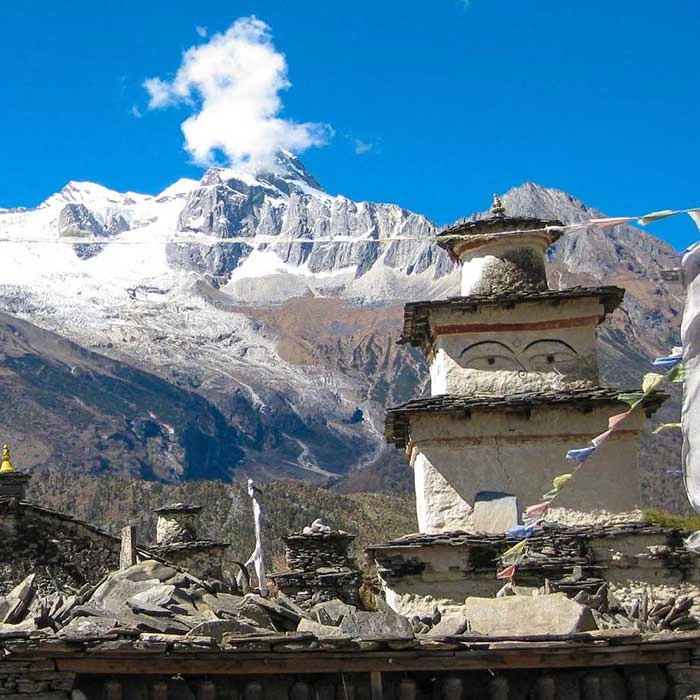
Ancient monasteries: The Tsum Valley is home to a number of ancient monasteries, including Mu Gompa and Rachen Gompa. These monasteries are rich in Tibetan Buddhist history and culture, and they offer a glimpse into the traditional way of life in the Tsum Valley.
Warm hospitality: The people of the Tsum Valley are known for their warm hospitality. Trekkers are welcomed into the homes of local families, and they are treated with kindness and respect. This is a great opportunity to learn about Tibetan culture and to experience the local way of life.
Off-the-beaten-path adventure: The Tsum Valley Trek is a great option for those who are looking for an off-the-beaten-path adventure. The trek is not as popular as some of the other treks in Nepal, which means that trekkers can enjoy the peace and quiet of the valley.
Moderate challenge: The Tsum Valley Trek is a moderate challenge, with a total elevation gain of around 7,000 meters (23,000 feet). The trek is suitable for those who have a moderate level of fitness and who are prepared for the remote terrain.
Opportunity to see wildlife: The Tsum Valley is home to a variety of wildlife, including snow leopards, red pandas, and musk deer. Trekkers may be lucky enough to spot some of these animals during their trek.
Chance to learn about Tibetan Buddhism: The Tsum Valley is a stronghold of Tibetan Buddhism, and trekkers can learn about the history and culture of this ancient religion during their trek. Trekkers can visit monasteries, meet monks, and learn about the Buddhist way of life.
Challenge of the altitude: The Tsum Valley is located at an altitude of up to 3,500 meters (11,500 feet), so trekkers should be prepared for altitude sickness. Trekkers should ascend slowly and drink plenty of fluids to help their bodies acclimatize to the altitude.
Unique culture: The Tsum Valley is home to a unique culture that is a blend of Tibetan and Nepali cultures. Trekkers can learn about this unique culture by visiting villages, meeting locals, and participating in traditional festivals.
Sense of accomplishment: The Tsum Valley Trek is a challenging trek, but it is also a rewarding one. Trekkers will feel a sense of accomplishment when they reach the end of the trek and have experienced all that the Tsum Valley has to offer.
The Makalu Base Camp Trek is a challenging trek in the Himalayas that takes trekkers through some of the most remote and beautiful parts of Nepal. The trek typically starts in the town of Tumlingtar and follows the Arun River Valley to the village of Num. From Num, the trek ascends to the Makalu Base Camp, which is located at an altitude of 5,050 meters (16,500 feet). Here are the trekking route destinations for Makalu Base Camp Trek:
Tumlingtar: The starting point of the Makalu Base Camp Trek is the town of Tumlingtar. This small town is located in the eastern region of Nepal and is the gateway to the Makalu Barun National Park.
Num: The second destination on the Makalu Base Camp Trek is the village of Num. This village is located in the Arun River Valley and is a popular stop for trekkers to rest and acclimatize to the altitude.
Khongma Danda: The third destination on the Makalu Base Camp Trek is the Khongma Danda pass. This pass is located at an altitude of 4,300 meters (14,100 feet) and offers stunning views of the surrounding mountains, including Makalu, Lhotse, and Everest.
Dobang: The fourth destination on the Makalu Base Camp Trek is the village of Dobang. This village is located in the Barun Valley and is a popular stop for trekkers to stock up on supplies before heading to Makalu Base Camp.
Makalu Base Camp: The final destination on the Makalu Base Camp Trek is Makalu Base Camp. This camp is located at an altitude of 5,050 meters (16,500 feet) and offers stunning views of Makalu, the fifth highest mountain in the world.
The Makalu Base Camp Trek is a challenging trek, but it is also a rewarding one. Trekkers will get to experience some of the most beautiful and remote parts of the Himalayas, and they will have the chance to see some of the tallest mountains in the world.
Trek Facts
Here are some trek facts for the Tsum Valley Trek:
Distance: The total distance of the Tsum Valley Trek is approximately 100 kilometers (62 miles).
Altitude: The highest point on the trek is Tsum Kero, which is located at an altitude of 4,900 meters (16,100 feet).
Difficulty: The Tsum Valley Trek is considered to be a moderate trek. The trails are often steep and rocky, but there is no significant amount of altitude gain.
Best time to go: The best time to go on the Tsum Valley Trek is during the spring (March to May) and autumn (September to November). The weather is mild and sunny during these times, with clear skies and no rain.
Accommodation: There are tea houses along the route of the Tsum Valley Trek where you can stay overnight. The tea houses are basic but comfortable, and they offer hot meals and drinks.
Permits: You will need to obtain a trekking permit from the Nepal Tourism Board before you can go on the Tsum Valley Trek. You can also get a permit from the Tsum Valley Conservation Area.
Cost: The cost of the Tsum Valley Trek varies depending on the route you choose, the time of year you go, and the level of comfort you want. However, you can expect to pay around $1,000 to $2,000 for the entire trek.
Here are some additional things to keep in mind when planning your Tsum Valley Trek:
Altitude sickness: Altitude sickness is a common problem on high altitude treks like the Tsum Valley Trek. It is important to acclimatize gradually to the altitude by taking rest days and drinking plenty of fluids.
Wildlife: The Tsum Valley is home to a variety of wildlife, including snow leopards, red pandas, and musk deer. Be sure to be aware of your surroundings and make noise when you are trekking to avoid startling any animals.
Weather: The weather in the Himalayas can change quickly, so it is important to be prepared for anything. Bring layers of clothing so you can adjust to the temperature changes.
Physical fitness: The Tsum Valley Trek is a moderate trek, but it is important to be physically fit before you go. You should be able to walk for several hours a day in mountainous terrain.
16th century: The Tsum Valley is first mentioned in historical records.
18th century: The Tsum Valley becomes a major trade route between Tibet and Nepal.
1950s: The Tsum Valley Trek becomes popular with foreign trekkers.
1990s: The Tsum Valley Trek is closed to foreign trekkers due to the Nepalese Civil War.
2006: The Nepalese Civil War ends.
2008: The Tsum Valley Trek reopens to foreign trekkers.
Embracing the Tsum Valley Trek is immersing oneself in a symphony of natural wonder and cultural fascination. From the very start in Arughat, the journey unfolds through enchanting villages, lush forests, and terraced fields, gradually leading to the heart of Tsum Valley. The sheer joy comes not just from the breathtaking vistas of Himalayan giants like Ganesh Himal and Shringi Himal, but also from the intimate encounters with local communities. Interacting with the people of Tibetan origin, visiting ancient monasteries like Mu Gompa, and partaking in their traditions create a tapestry of cultural connections. The tranquility of the landscapes and the echo of prayer flags fluttering in the breeze instill a sense of serenity that's unmatched. The Tsum Valley Trek, with its blend of spirituality, awe-inspiring vistas, and cultural richness, is a journey to savor and cherish, a pilgrimage into both nature's magnificence and the human spirit's resilience.
Trekking to the Tsum Valley is an invitation to transcend ordinary travel and embark on an extraordinary pilgrimage into the heart of untouched Himalayan beauty and timeless culture. This hidden gem, known as the "Hidden Valley of Happiness," beckons with its pristine landscapes, ancient monasteries, and warm local hospitality. As you traverse through charming villages, lush forests, and alpine meadows, you'll be captivated not only by the awe-inspiring backdrop of Ganesh Himal and Shringi Himal but also by the profound connections formed with the indigenous communities. The Tsum Valley's unique blend of spirituality, traditional practices, and breathtaking vistas offers a transformative journey, allowing you to step into a world where nature's grandeur converges with the enduring spirit of the people, leaving an indelible imprint on your soul.
Seamless Airport Transfer: Enjoy the convenience of a private vehicle pick-up upon arrival at the airport, as well as drop-off at your hotel. Similarly, a smooth transfer will be arranged from your hotel to the airport upon departure.
Comprehensive Online Briefing: After confirming your booking, you'll receive an online trip briefing, ensuring you're well-prepared with all necessary information before your journey begins.
Health Monitoring at Altitude: Your safety is our priority. We regularly monitor your blood oxygen saturation using pulse oximeters at high altitudes. This proactive approach helps us detect early signs of altitude sickness, ensuring your well-being throughout the trek.
Medical Preparedness: We provide medical kits as a precautionary measure, demonstrating our commitment to your health and safety during the trek.
Effortless Booking and Reservation: Our user-friendly booking and reservation system streamlines the process, making it hassle-free for you to secure your trekking adventure.
Open Communication Channels: Stay connected through multiple channels including Email, WhatsApp, Facebook, WeChat, Viber, Skype, and Zoom. This enables easy communication and assistance whenever you need it.
Convenient Payment Options: We offer an easy and flexible payment system, accommodating your preferences and making the financial aspect of your trek straightforward.
Gear Arrangements: If you don't have your own sleeping bags and down jackets, we'll provide them for you, ensuring you're well-equipped to handle varying temperatures.
Luggage Solutions: Enjoy the convenience of our free excess luggage storing service during the trek, allowing you to trek with only essentials while keeping your additional belongings safe.
Porter Support: We provide duffle bags for porters, enhancing their ease of carrying and safeguarding your belongings during the trek.
The best time to go on the Tsum Valley Trek is during the spring (March to May) and autumn (September to November). The weather is mild and sunny during these times, with clear skies and no rain.
In the spring, the Tsum Valley is a riot of color with wildflowers in bloom. The weather is also starting to warm up, making it a comfortable time to trek.
In the autumn, the weather is still mild, but the crowds have started to thin out. This is a great time to go if you want to experience the Tsum Valley in a more peaceful setting.
It is not advisable to go on the Tsum Valley Trek during the monsoon season (June to August) as the weather is often wet and humid. The trails can also be muddy and slippery, making it dangerous to trek.
Here is a more detailed breakdown of the weather conditions in the Tsum Valley during the different seasons:
Spring (March to May): The weather is mild and sunny during this time, with average temperatures ranging from 15 to 25 degrees Celsius (59 to 77 degrees Fahrenheit). There is very little rain during this season, making it a great time to go trekking.
Autumn (September to November): The weather is still mild during this time, with average temperatures ranging from 10 to 20 degrees Celsius (50 to 68 degrees Fahrenheit). There is also very little rain during this season, making it a good time to go trekking.
Winter (December to February): The weather is cold during this time, with average temperatures ranging from 0 to 10 degrees Celsius (32 to 50 degrees Fahrenheit). There is also some snow in the higher altitudes, so it is important to be prepared for the cold weather and snow if you go trekking during this season.
Guide and Porter: Hiring a local guide and/or porter can enhance your trekking experience by providing insights, assistance, and relieving you of the burden of carrying heavy gear. The cost of hiring guides and porters can vary based on their experience and the duration of the trek.
Accommodation: Accommodation costs can vary based on whether you choose to stay in teahouses or camp. Teahouse accommodation is generally more budget-friendly.
Food and Drinks: Food expenses will depend on your meal preferences and whether you eat at tea houses along the way. Prices may increase at higher altitudes due to the remote location.
Transportation: The cost of getting to and from the trek starting point, often Arughat, will contribute to the overall expenses. This includes transportation from Kathmandu.
Equipment: If you need to rent or purchase trekking gear, such as sleeping bags, down jackets, and other essentials, these costs should also be factored in.
Miscellaneous Expenses: Miscellaneous expenses could include tips for guides and porters, snacks, drinks, souvenirs, and unforeseen costs.
The Makalu Base Camp Trek is an awe-inspiring odyssey that unveils the raw beauty and rugged grandeur of the Himalayas. This trek is a symphony of nature's marvels, where trekkers are immersed in diverse landscapes, from dense forests and tranquil river valleys to the towering heights of alpine meadows and icy glaciers. The journey is a transformative experience that not only offers panoramic views of the majestic Mount Makalu and its neighboring peaks but also fosters a profound connection to the Earth's pristine wilderness.
As trekkers tread the trail, they embark on a path less traveled, venturing through remote villages and immersing themselves in the cultures of the local communities. The Makalu Base Camp itself, nestled amidst the towering giants, stands as a testament to human determination and endurance, rewarding trekkers with a sense of accomplishment that echoes against the backdrop of nature's grandeur. The trek demands physical fortitude and mental resilience, but in return, it imparts an unparalleled sense of wonder and a deeper understanding of the harmony between the mountains and the human spirit. The Makalu Base Camp Trek is a tapestry woven with adventure, serenity, and personal growth, a journey that forever etches its beauty and majesty into the hearts of those who undertake it.
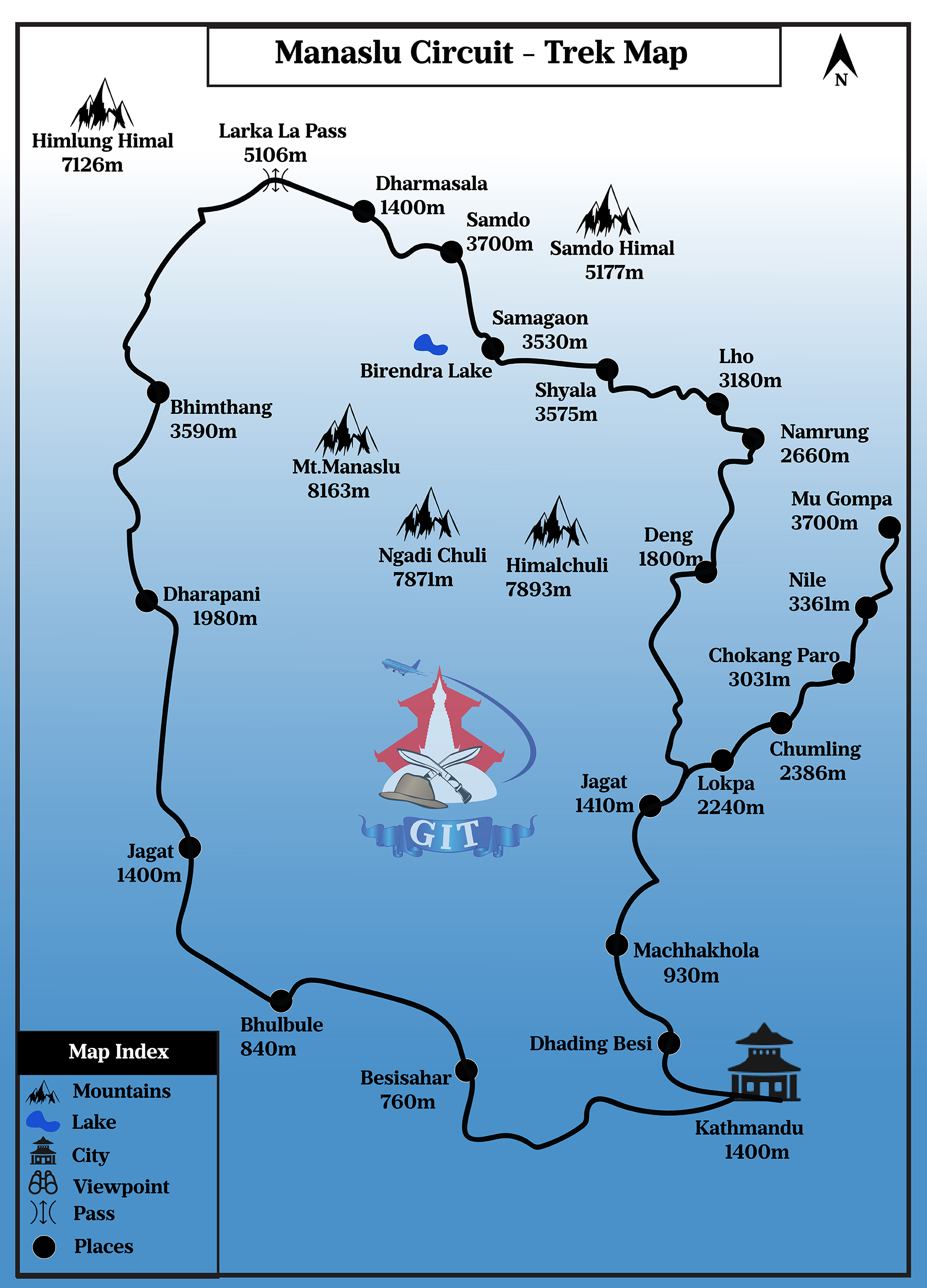
route map for Tsum Valley Trek 16 Days
 Itinerary
Your Tsum Valley Trek begins with a scenic drive from Kathmandu to Arughat, a journey that can take 7-9 hours by road. Arughat, situated at an altitude of 600 meters, serves as the gateway to the Tsum Valley. Upon reaching Arughat, you'll settle into your accommodation, most likely a guesthouse or teahouse, where you can rest and prepare for the adventure ahead.
The trek commences as you follow the Budhi Gandaki River, passing through lush forests, small settlements, and terraced fields. You'll eventually reach Soti Khola, at an altitude of 710 meters, after a trek of approximately 5-6 hours. Teahouses or guesthouses in Soti Khola will provide you with a comfortable place to spend the night, and you can enjoy a traditional Nepali meal.
The trail continues along the river, gradually gaining altitude. You'll traverse suspension bridges and rocky terrain as you make your way to the village of Machha Khola, located at an elevation of 900 meters. The trek takes about 6-7 hours, and you'll find teahouses for accommodation in Machha Khola, where you can relax and rejuvenate.
Today, the trail from Machha Khola to Jagat is both challenging and rewarding as you venture deeper into the heart of the Budhi Gandaki Valley. The trail undulates through rugged terrain, crossing several suspension bridges that sway over the roaring river below. You'll pass through the village of Khorla Besi, where the traditional lifestyle of the locals offers a unique cultural experience. The path continues to Tatopani, famous for its natural hot springs—perfect for a brief rest and rejuvenation.
As you ascend, the landscape begins to shift, with subtropical forests giving way to rocky cliffs and cascading waterfalls. The trail narrows as you approach Jagat, a charming village that serves as the official entry point to the Manaslu Conservation Area. The stone-paved streets and traditional houses of Jagat reflect the region's rich history and cultural heritage. Here, you'll check into your teahouse, enjoying a well-deserved rest in this picturesque setting.
The trek gains more altitude as you proceed towards your destination. You'll trek from Jagat to Lokpa, a journey that takes you further into the rugged terrain of the Tsum Valley. The day begins with a steady ascent as you leave Jagat, traversing stone-paved paths and passing through dense forests of pine and rhododendron. The trail offers breathtaking views of the surrounding hills and the roaring Budhi Gandaki River below. You'll cross several suspension bridges and pass by small settlements like Salleri and Sirdibas, where the influence of Tibetan culture becomes increasingly evident.
As you approach Philim, a larger village known for its terraced fields and vibrant community, the landscape opens up, offering panoramic views of the surrounding peaks. From Philim, the trail branches off towards Lokpa, the first village in the Tsum Valley. Lokpa is a small, secluded settlement surrounded by dense forests and towering cliffs, providing a peaceful and serene atmosphere to rest for the night.
Today, the trek from Lokpa to Chumling takes you deeper into the mystical Tsum Valley, revealing its hidden treasures and unique cultural heritage. The trail begins with a descent through lush forests, where you'll be surrounded by the calming sounds of nature. As you cross a suspension bridge over the Siyar Khola, the trail starts to ascend, offering glimpses of the majestic Ganesh Himal range in the distance.
The path becomes narrower and steeper as you make your way to Chumling, a picturesque village perched on a hillside. Along the way, you'll pass through terraced fields, traditional stone houses, and ancient mani walls adorned with Buddhist prayers and symbols. The influence of Tibetan Buddhism becomes more pronounced as you enter the valley, with fluttering prayer flags and chortens dotting the landscape. Upon reaching Chumling, you'll have time to explore the village, visit the local monastery, and soak in the peaceful atmosphere before settling in for the night.
Your journey from Chumling to Chokhangparo offers a deeper immersion into the spiritual and cultural richness of the Tsum Valley. The trek begins with a steady ascent through dense forests, crossing suspension bridges over the rushing Siyar Khola. As you climb higher, the valley opens up, revealing stunning views of the Ganesh Himal and the surrounding peaks.
The trail takes you through several small, traditional villages where you’ll encounter friendly locals who maintain a unique way of life, deeply rooted in Tibetan Buddhist traditions. As you approach Chokhangparo, you’ll notice the increasing presence of mani walls, chortens, and prayer flags, reflecting the deep spiritual significance of this region.
Chokhangparo itself is a twin village, composed of Chokhang and Paro, perched on a ridge with panoramic views of the Himalayas. The village is known for its ancient monasteries and traditional stone houses, offering a glimpse into the rich cultural heritage of the Tsum Valley. At an altitude of around 3,010 meters, you’ll begin to feel the effects of the higher elevation, so taking it slow and staying hydrated is essential. In Chokhangparo, you’ll spend the night in a local teahouse, enjoying the warm hospitality of the villagers and the tranquil ambiance of this remote Himalayan settlement.
The trek from Chokhangparo to Nile takes you further into the heart of the Tsum Valley, bringing you closer to the Tibetan border and deeper into the spiritual and cultural essence of this remote region. The trail begins with a gradual ascent, passing through the villages of Lama Gaon and Burji. Along the way, you'll have the opportunity to visit the Milarepa Piren Phu Cave, an ancient meditation retreat associated with the revered Tibetan saint Milarepa. This sacred site is adorned with prayer flags and mani stones, offering a serene and spiritual experience.
As you continue your journey, the landscape becomes more rugged and barren, with towering cliffs and snow-capped peaks framing the valley. The trail meanders through narrow gorges and crosses the Shiar Khola several times via suspension bridges. The influence of Tibetan Buddhism is even more pronounced as you approach Nile, the last village before the Tibetan border. Here, you'll find ancient monasteries, including the renowned Chho Gumpa, perched on a hillside overlooking the valley.
Nile, located at an altitude of around 3,360 meters, is one of the highest villages in the Tsum Valley. The village offers a unique blend of traditional Tibetan architecture and breathtaking natural beauty. You'll spend the night in a local teahouse, surrounded by the serene and spiritual atmosphere that defines this remote and untouched part of the Himalayas
On this day, you'll hike to Mu Gompa, the highest point of your trek and one of the the most significant spiritual sites in the Tsum Valley, before returning to Chokhangparo. The day begins with an early morning hike from Nile, as you ascend further into the high-altitude terrain. The trail is steep and challenging, but the breathtaking views of the surrounding mountains and the sense of spiritual significance make it a rewarding journey.
As you approach Mu Gompa, located at an altitude of 3,700 meters, you'll feel the profound stillness and serenity of this sacred place. Mu Gompa is the largest and oldest monastery in the Tsum Valley, offering a deep connection to Tibetan Buddhism. The monastery is home to a small community of monks who continue ancient traditions and rituals in this remote and peaceful setting. You'll have the opportunity to explore the monastery, interact with the monks, and take in the stunning views of the surrounding peaks and valleys.
After spending time at Mu Gompa, you'll begin your descent back to Chokhangparo. The return journey offers a different perspective of the valley, with the afternoon light casting a warm glow over the landscape. As you retrace your steps, you'll have time to reflect on the spiritual experiences of the day and the profound beauty of the Tsum Valley. Upon reaching Chokhangparo, you'll settle in for the night, enjoying the hospitality of the local villagers and the tranquility of this high-altitude settlement.
Your guide will be required for this trip since the track is poorly marked. Circle from the gompa past the nuns’ housing, drop on dusty or muddy zigzags to regain the lower track and continue up valley on a rocky indistinct track through the forest. Cross the Laudang Khola to the west bank on a rickety wooden bridge and climb steeply through pristine pines and rhododendrons on a ridge. There is a hut in a kharka about halfway up, with the track continuing behind it, then up a birch-lined dry creek bed and eventually you emerge into grassy flats behind the lateral moraine of the Toro Gompa glacier. Continue climbing past seasonal yak huts and you will find a track on the moraine wall that gives superb views of the Cirque of mountains. The camp is somewhere about here. It takes about 4hrs to reach the Ganesh Himal Base Camp (4200m). The map shows another base camp on the east side of the glacier, but there appears to be no obvious track between them, so return to Gumba Lungdang in time for the evening puja by retracing your steps. Altitude can make this day difficult for some, but the intact forest wilderness and views make it an outstanding trip. Overnight at Monastery's dormitory room in Gumba Lungdang.
This can be a taxing day so start early. You'll have an adventurous day trip to the Ganesh Himal Basecamp, one of the highlights of the Tsum Valley Trek. Starting early from Gumba Lungdang, the trail to the basecamp is both challenging and exhilarating, taking you through rugged terrain, dense forests, and high-altitude landscapes that offer stunning views at every turn.
As you ascend, the path becomes steeper and more demanding, but the effort is rewarded with breathtaking panoramas of the Ganesh Himal range, one of Nepal's most majestic and lesser-known mountain massifs. The towering peaks, often draped in snow and ice, create a dramatic backdrop as you approach the basecamp. Along the way, you'll pass through alpine meadows and encounter a variety of flora and fauna unique to this high-altitude environment.
Upon reaching Ganesh Himal Basecamp, located at approximately 4,200 meters, you'll be surrounded by the awe-inspiring beauty of the Himalayas. The basecamp offers unparalleled views of the Ganesh Himal peaks, including Ganesh I, II, and IV. This remote and pristine location is a perfect spot for rest, reflection, and photography, capturing the raw and untamed beauty of the mountains.
After spending time at the basecamp, soaking in the incredible vistas and the tranquil atmosphere, you'll begin your descent back to Gumba Lungdang. The return journey provides a different perspective of the landscape, with the afternoon light casting a golden hue over the mountains and valleys. Back at the monastery, you'll have time to relax and reflect on the day's achievements, enjoying another peaceful night in this sacred and serene environment.
You’ll retrace your steps from Lokpa back to Jagat, marking the return leg of your trek through the Tsum Valley. The day begins with a descent from Lokpa, navigating the rugged terrain and crossing several suspension bridges over the Budhi Gandaki River. As you leave Lokpa, you’ll pass through the lush, dense forests and terraced fields, gradually descending through charming villages like Sirdibas and Salleri.
The trail follows the river, offering scenic views and the opportunity to experience the vibrant local culture and traditional lifestyles of the Gurung and Magar communities. You'll cross the river multiple times, enjoying the serene and rhythmic sounds of the rushing water below. The journey provides ample time to reflect on the stunning landscapes and cultural encounters of the past days.
Upon reaching Jagat, you’ll find a familiar and welcoming atmosphere. Jagat, with its stone-paved streets and traditional architecture, serves as a reminder of the cultural richness of the region. You'll have the chance to relax in a local teahouse, rejuvenate after the day’s trek, and prepare for the final stages of your adventure. The evening is a perfect time to enjoy a warm meal, share stories with fellow trekkers, and reflect on the incredible journey through the Tsum Valley.
On Day 14, you'll trek from Jagat back to Machha Khola, retracing your steps through the beautiful Budhi Gandaki Valley. The journey begins with a descent from Jagat, where the trail gradually leads you through terraced fields and lush forests. You’ll cross several suspension bridges, each offering panoramic views of the river and the surrounding hills.
As you make your way towards Machha Khola, you'll pass through small villages like Tatopani, known for its natural hot springs. Here, you might take a moment to relax and rejuvenate before continuing your trek. The path follows the Budhi Gandaki River, and the terrain can be varied, with gentle slopes and occasional steep sections.
The route offers a chance to experience the local lifestyle and enjoy the tranquil environment of the valley. Upon reaching Machha Khola, you'll find the small town's familiar charm and welcoming atmosphere. It’s an ideal place to rest after the day’s trek, with comfortable lodgings and local eateries to unwind and reflect on the adventure so far. Enjoy a well-deserved meal and relax, preparing for the final stages of your journey back to Kathmandu.
On Day 15, you'll complete your journey with a scenic drive from Machha Khola back to Kathmandu. The day starts with an early morning departure, as you leave Machha Khola and embark on a drive that will take you through diverse landscapes and charming villages. The route follows the winding road alongside the Budhi Gandaki River, gradually descending from the high-altitude terrain.
As you travel, you'll pass through terraced fields, small towns, and picturesque landscapes that reflect the rich rural life of Nepal. The drive offers a wonderful opportunity to appreciate the contrast between the rugged mountains of the Tsum Valley and the lush, fertile lowlands. Enjoy the changing scenery and take in the beautiful vistas along the way.
Upon arriving in Kathmandu, you'll be greeted by the vibrant and bustling atmosphere of Nepal's capital. You'll have the rest of the day to relax, explore the city's cultural landmarks, and perhaps indulge in some last-minute shopping or dining. As you settle back into the city, you can reflect on the incredible journey through the Tsum Valley and the memorable experiences you've had throughout the trek.
Your adventure in Nepal comes to an end today! It's time for your final departure, bringing your incredible journey to a close. After a hearty breakfast and some last moments to enjoy Kathmandu, you'll be transferred to Tribhuvan International Airport. As you bid farewell to the enchanting landscapes and the warm-hearted people of Nepal, take with you the memories of breathtaking views, cultural encounters, and the deep sense of peace you've experienced.
Your adventure may be ending, but the spirit of Nepal and the friendships you've made will stay with you. Safe travels and best wishes for your next journey—may it be filled with as much wonder and joy as this one. Until we meet again, farewell and take care!
Cost Include
Cost Exclude
gallery and videos
Additional Information
freqeuntly asked question
enquiry for further inforamtion
package reviews and rating

2023-12-05 09:48:55
I recently had the incredible opportunity to embark on the Tsum Valley Trek, and it proved to be an experience beyond my expectations. The 14-day adventure immersed me in the heart of Nepal's hidden gem, offering a perfect blend of cultural discovery and breathtaking Himalayan landscapes.
write reviews
 Group Join Discount
| Nos Of Persons | price per person |
|---|---|
| 1 persons | US$ 1600 |
| 2 persons | US$ 1520 |
| 3-5 persons | US$ 1488 |
| 6-9 persons | US$ 1440 |
| 10-15 persons | US$ 1408 |
| 16+ persons | US$ 1360 |
upcomming fixed departure
| Trip | Departure Date | Price | Trip Status | Action |
|---|---|---|---|---|
| 1. Tsum Valley Trek 16 Days | 2026-04-17, 14 days | US$ 1600 |
UpComming Fixed Departure
offered features

Selling Expedition
Robert Williams - Chicago
2023-12-05 09:50:16
One of the highlights of the Tsum Valley Trek is undoubtedly the cultural immersion. The Tsumba people welcomed us with warmth, and their distinct language and traditions added a unique charm to the journey. Exploring ancient monasteries like Mu Gompa provided a profound insight into the spiritual fabric of the region.