
+9779851066916  info@gorkhatravel.com   

New Offers !!! 2026 New Booking open With 10% Discount

  • Plan Trip
  • Meditation Camping
  •  Flight Booking
gorkha-international-travel-logo
+9779851066916
Thamel, Kathmandu NP
info@gorkhatravel.com
logo
  • destinations
    • Annapurna Region
    • Langtang Region
    • Everest Region
    • Chitwan Region
    • Manaslu Region
    • Pokhara Region
    • Dolpo Region
    • Kathmandu Region
    • Kangchenjunga Region
    • Tibet Region
    • Far West Nepal
    • Jugal Himal
  • activities
    • Treks
    • Mountaineering
    • Tours
    • Adventure Activities
    • Jungle Safari Tour
    • Meditation And Healing
    • Volunteering Tours
  • mountaineering
    • 1.Pisang Peak Climbing
    • 2.Mera Peak Climbing 15 Days
    • 3.Yala Peak Climbing
    • 4.Island Peak Climbing
  • traveling info
    • Visa In Nepal
    • Accessories Checklist
    • Insurance and Safety
    • Flight Cancellation
    • Medical Kits Needed
    • Online Payment Guide
  • Company
    • About
    • our blog
    • our team
    • Services
    • FAQs
    • Plan Trip
    • Contact
    • Partnership
Book Now

Everest Base Camp Trek - 14 Days

  • Everest Region
  • 14 Days
  • Overviews
  • Map
  • Itinerary
  • Include/Exclude
  • Gallery/Video
  • Additional info
  • FAQs
  • Enquiry
  • Reviews

icons-image iconic summary

Duration
14 Days
Activity
Trekking

best season
March-May/Sept-Nov

Accommodation
Teahouse/Restaurant

Destination
Everest Region

difficulty
Moderate

4.9 reviews based on 3

4.9/5

"Felt Better Than Thinking"

from3Reviews

Guides And Language

98% Complete

facility

95% Complete

Value For Money

92% Complete

Service

97%Complete

Location

91% Complete

icons-image Overviews

The journey to Everest Base Camp starts from Kathmandu, Nepal. The capital of Nepal is the place where everything starts. Tenzing Hillary Airport, in Lukla serves as the main access point in order to visit Khumbu region. Flight to Lukla is an adventure in itself. The 14 days Everest Base Camp Trek is often known as one of the best long distance treks in the world.

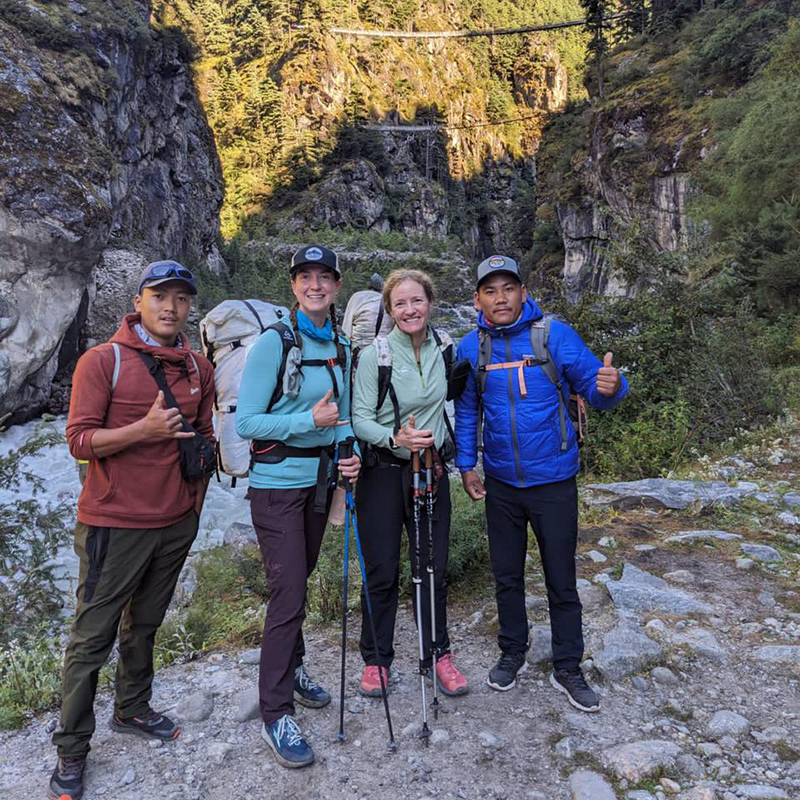
Following the trails beside Dudh Koshi, crossing over many suspension bridges. The trail on the first day of the trek takes you to Phadking. Each tea house on the trails welcomes you with a happy face, friendliness, good food and necessary suppliers. Walking on the trail in this part of the world you won’t forget the sound of the Yak bells, a sound that will lead you to Everest Base Camp.

The Everest Base Camp trek seamlessly blends the accessibility of well-maintained trails with the awe-inspiring beauty of the Himalayas. Nestled in the heart of this majestic range, the Everest region captivates with its breathtaking landscapes and the warm hospitality of the Sherpa community. This adventure not only leads you to the foot of the world's tallest peak but also offers a profound immersion into Nepal's rich culture and traditions.

Spanning 14 days, the Everest Base Camp trek reaches heights of approximately 5,364 meters, affording panoramic views of numerous towering summits, including the iconic Mt. Everest itself, as well as Pumori, Lhotse, Nuptse, and Lobuche.

Best Time for Everest Base Camp Trek

The best time to go on the Everest Base Camp Trek is during the spring (March-May) or autumn (September-November). During these seasons, the weather is mild and sunny, with clear views of the mountains. The trails are also dry and easy to walk on. The monsoon season (June-August) can be wet and humid, and the trails can be muddy and slippery. The winter season (December-February) can be cold and snowy, and the trails can be icy.

Everest Base Camp Trek Weather

Spring (March-May): This is the best time to go on the Everest Base Camp Trek. The weather is warm and sunny, with clear views of the mountains. The trails are also dry and easy to walk on. This is also the time of year when the rhododendrons are in bloom, adding even more beauty to the trek.

Autumn (September-November): The weather is still mild and sunny during this season, with clear views of the mountains. The trails are also dry and easy to walk on. This is also a good time to go on the trek, as there are fewer tourists than in the spring.

Monsoon (June-August): The monsoon season can be wet and humid, with heavy rainfall. The trails can be muddy and slippery, and there is a risk of landslides. It is not recommended to go on the Everest Base Camp Trek during this season.

Winter (December-February): The winter season can be cold and snowy, with temperatures dropping below freezing at night. The trails can be icy, and there is a risk of avalanches. It is not recommended to go on the Everest Base Camp Trek during this season unless you are experienced in winter trekking.

Ultimately, the best time to go on the Everest Base Camp Trek depends on your personal preferences and what you are looking for in a trekking experience. If you want mild weather and clear views of the mountains, then spring or autumn are the best seasons to go. If you are looking for a more challenging trek, then you may want to consider going in the winter.

Everest Base Camp Trek Cost

The cost of the Everest Base Camp with a trekking agency can vary widely depending on several factors such as the level of service, inclusions, duration of the trek, and the size of the group. Here’s a general range of what you might expect to pay:

  1. Budget Range: For a basic package, which includes necessary permits, accommodation in tea houses, meals (breakfast, lunch, dinner), and a guide, you can expect to pay around USD 1200 to USD 1,500 per person for a 10-12 day trek.
  2. Mid-Range: This category might include more comfortable accommodation options where available, better meals, and possibly additional services like porter support. Prices typically range from USD 1,800 to USD 2,200 per person.
  3. Luxury/High-End: For those looking for more comfort and personalized service, such as private rooms in lodges, higher quality meals, and additional amenities, the cost can exceed USD 2,500 per person.

When choosing a trekking agency, it's essential to consider their reputation, the services included in the package, and any additional costs or exclusions. Prices can fluctuate based on the season (peak trekking seasons tend to be more expensive) and the agency's level of service and reputation.

Everest Base Camp Trek Difficulty

Imagining oneself at the base of Everest, surrounded by other majestic snow-capped peaks in the thin atmosphere, may seem formidable. However, the Everest Base Camp (EBC) trek is attainable with adequate preparation and dedication.

The overall difficulty of the EBC trek is strenuous. Trekkers will encounter numerous challenges, including the daunting length of 130 kilometers (80 miles) and the high altitude of 5,555 m (18,206 feet) at Kalapatthar. Additionally, weather fluctuations and rugged terrain contribute to the demanding nature of the journey, amidst sparse amenities and unfamiliar food and surroundings.

Although this trek can be done by practicing some basic level of training which will help you complete this trek with less hassle. Training for the Everest Base Camp trek is essential to ensure you have the stamina, strength, and endurance to enjoy the trek comfortably. Here are some training tips:

  1. Cardiovascular Endurance
  2. Strength Training
  3. Endurance Hiking
  4. Flexibility and Mobility
  5. Pack Training
  6. Hydration and Nutrition
  7. Rest and Recovery
  8. Mental Preparation

Nevertheless, completing the trek is feasible, even for beginners. Armed with knowledge about the trek's challenges and proper packing and preparation, one can overcome moderate obstacles easily to reach their goal. At Everest Base Camp, safety is our paramount concern. Our team of experienced guides, well-versed in high-altitude trekking, ensures a well-managed and secure journey.

We provide essential trekking gear, including down jackets, sleeping bags, and trekking poles, to ensure your comfort during the trek. Our comprehensive medical kits and arrangements for emergency evacuation offer you peace of mind throughout the adventure, allowing you to focus on immersing yourself in the wonders of the Himalayas.

Everest Base Camp Trek Highlights

● Spectacular Himalayan Views

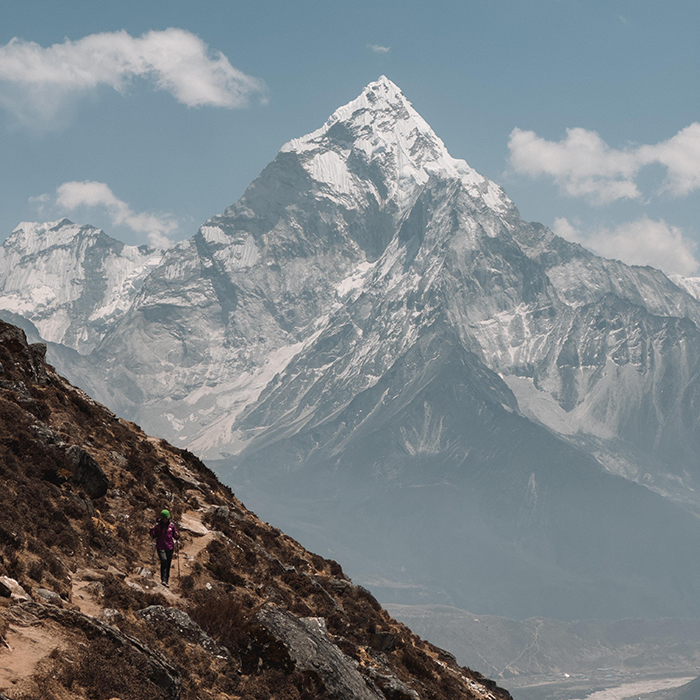
Trekking to Everest Base Camp treats you to breath-taking Himalayan views that are simply awe-inspiring. As you hike through the Khumbu Valley, you'll marvel at towering peaks like Everest, Lhotse, and Ama Dablam, each revealing itself in majestic splendor. The sunrise from Kala Patthar paints these giants with hues of pink and gold, while sunsets cast a serene glow over the snow-capped summits.

Alongside, the Khumbu Glacier winds its way down, showcasing its icy blue formations. Sherpa villages nestled against this dramatic backdrop add a cultural richness, while nights offer clear skies adorned with a blanket of stars, making every moment on this trek a breath-taking encounter with nature's grandeur.

● Unique Sherpa Culture and Traditions

The Sherpa people of the Everest region have a unique culture and traditions that have evolved over centuries in the harsh yet majestic terrain of the Himalayas. Known for their resilience and mountaineering prowess, Sherpas are primarily Tibetan Buddhists, and their culture is deeply intertwined with their religious beliefs. They practice a blend of Buddhism and animism, with monasteries such as Tengboche and Pangboche playing central roles in their spiritual and community life.

Sherpa culture values hospitality, community support, and respect for nature. Traditional Sherpa homes, often made of stone and wood, feature intricate wood carvings and prayer flags fluttering in the wind. Festivals like Losar (Tibetan New Year) and Dumje (celebrating the monastery's establishment) are vibrant occasions where Sherpas come together to perform religious rituals, dance, and feast on traditional foods like thukpa (noodle soup) and momos (dumplings). Their language, Sherpa or Sharwa, is a Tibeto-Burman language spoken alongside Nepali.

Sherpa guides and porters are renowned worldwide for their expertise and reliability in supporting trekkers and mountaineers, embodying their cultural values of hard work, humility, and reverence for the mountains they call home.

● Historic Tengboche Monastery

The Tengboche Monastery is located in Nepal's Everest region and is a significant place for Tibetan Buddhism. Situated at 3,867 meters (12,687 feet), it offers incredible views of Everest and other tall peaks like Lhotse and Ama Dablam. Built in 1916 by Lama Gulu, it's the largest monastery in the Khumbu area and is important to Sherpas and visitors alike.

Inside, there's a main prayer hall with beautiful paintings, statues of Buddhist figures, and a large golden Buddha statue. Monks living there perform daily ceremonies such as morning prayers and offerings. Each year, the monastery hosts the Mani Rimdu festival, which includes lively dances and religious rituals, attracting many people. It's a special place where culture and spirituality meet amidst the stunning Himalayan landscape.

● Thrilling Flight to Lukla

The flight to Lukla is an exciting adventure that begins in Kathmandu. You'll soar above beautiful landscapes, passing by hills and villages, before landing at Lukla Airport. Nestled among towering Himalayan mountains, the airport offers stunning views. The short runway and mountainous surroundings make the landing an adrenaline-filled experience, setting the stage for your trek into the majestic Everest region.

Everest Base Camp Trek Facts

  1. Everest Base Camp (EBC) is located in the Khumbu region of Nepal, at an altitude of 5,364 meters (17,598 feet).
  2. The trek to EBC is one of the most popular trekking routes in the world, and is known for its stunning scenery, including views of Mount Everest, Lhotse, and Ama Dablam.
  3. The best time to go is during the spring (March-May) or autumn (September-November), when the weather is mild and clear.
  4. The trek is a moderate to challenging hike, and requires a good level of fitness.
  5. 1951 – Nepal officially opened for tourism
  6. 1953 – Everest was first submitted by Kiwi Edmund Hillary and Indo-Nepali tenzing Norgay Sherpa
  7. 1963 – The Americans summited Everest for the first while traversing from the west ridge for the first time which inspired the mountaineers of the next generation
  8. 1964 - The Lukla Airport was finally constructed under the supervision of Sir Edmund Hillary which opened a new dimension of Everest trek because all expeditions had to trek through Jiri in a very long way before
  9. 2019 - IFMGA Guide Tshiring Jangbu Sherpa was the climbing guide of the Everest Height Remeasurement Expedition that calculated the height of Everest as 8848.86 meters.

Sub Peaks

Kala Patthar: Located at 5,545 meters (18,192 feet), Kala Patthar offers stunning panoramic views of Mount Everest and surrounding peaks.
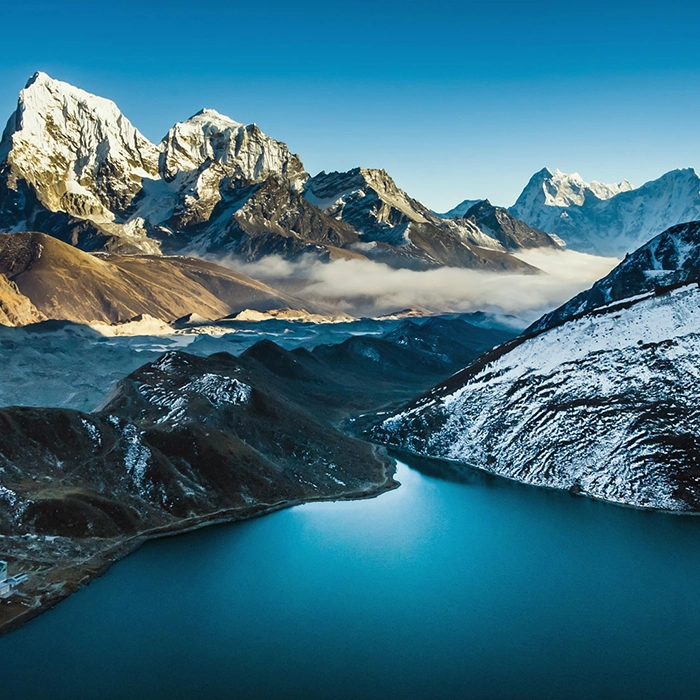
Gokyo Ri: Situated at 5,357 meters (17,575 feet) in the Gokyo Valley, Gokyo Ri provides trekkers with magnificent views of Cho Oyu, Everest, Lhotse, and Makalu.
Island Peak (Imja Tse): A popular trekking peak at 6,189 meters (20,305 feet) that requires technical climbing skills and offers breath-taking views.
Lobuche East: Standing at 6,119 meters (20,075 feet), Lobuche East is another notable subpeak near Lobuche village, often attempted by adventurous trekkers.

Most Asked Questions Regarding Everest Base Camp Trek

What is Everest Base Camp Trek?

The Everest Base Camp Trek is an incredible opportunity to challenge yourself and discover your true potential. Traverse rugged terrains, cross suspension bridges over roaring rivers, and ascend to dizzying altitudes, all while embracing the spirit of adventure within you. This journey beckons the adventurer in you to overcome obstacles and conquer the world's highest trekking destination, forging unforgettable memories along the way. And we Gorkha International Travels, one of the best trekking agencies for Everest Base Camp Trek, is here to help you achieve your dream.

What to Pack for Everest Base Camp Trek?

The Everest Base Camp trek is a top choice for adventure enthusiasts. Reaching the base of the world's highest peak is a remarkable achievement, but the unpredictable nature of mountainous environments means that first-time trekkers often lack knowledge about essential gear. This comprehensive packing list for the Everest Base Camp trek will be invaluable for newcomers.

Another common error among trekkers and climbers is overpacking. The wilderness can inspire a sense of urgency to bring everything deemed necessary. However, overpacking can complicate your journey. To successfully reach the base camp, it's important to pack efficiently and lightly.

Why go to Everest Base Camp Trek?

Trekking to Everest Base Camp is a once-in-a-lifetime adventure that promises unparalleled beauty and cultural immersion. The journey takes you through stunning landscapes, where you'll witness the grandeur of the world's highest peaks and be captivated by the Sherpa way of life. Though physically demanding, the trek offers a deep sense of accomplishment as you conquer each step and overcome challenges along the way. Sharing this extraordinary experience with fellow trekkers fosters a strong sense of camaraderie and creates lasting memories.

Moreover, the serene Himalayan surroundings provide a perfect setting for self-discovery and introspection, making the trek an opportunity for personal growth and spiritual connection with nature. Embark on this remarkable journey to Everest Base Camp and embark on an unforgettable adventure that will stay with you forever. Trekking to Everest Base Camp is not just an adventure; it's a transformative experience that leaves trekkers in awe of nature's splendour. From the breath-taking mountain vistas to the welcoming Sherpa villages, every aspect of the trek offers a unique opportunity for exploration and cultural immersion. Though physically challenging, the sense of achievement and the bonds formed with fellow trekkers make it all worth it.

As you push yourself to new limits and improve your fitness, the peaceful ambiance of the Himalayas provides a sanctuary for self-reflection and inner growth. Whether you're a seasoned trekker or a first-time adventurer, this extraordinary journey to Everest Base Camp will undoubtedly leave an indelible mark on your soul, reminding you of the power and beauty of the natural world.

How To Get to Everest Base Camp Trek?

Trekking to Everest Base Camp is a challenging and rewarding adventure that requires thorough preparation and research. To embark on this extraordinary journey, trekkers must secure the necessary permits and carefully choose a reputable trekking agency, ensuring safety and a well-organized experience. Starting from the scenic village of Lukla, adventurers traverse through breathtaking landscapes, including lush forests and rugged terrains, while gradually acclimatizing to the increasing altitude.

While the trek to Everest Base Camp demands physical endurance, proper packing, and adherence to trekking guidelines, individuals with a moderate level of fitness and a sense of adventure can undertake this incredible expedition. The journey provides an unparalleled chance to form lasting bonds with fellow trekkers and embrace the tranquil beauty of the Himalayas, creating memories to cherish for a lifetime.

How to enjoy Everest Base Camp Trek the most?

To enjoy Everest Base Camp, follow these steps for a memorable and rewarding experience. First, prepare adequately by researching the best time to trek and obtaining necessary permits. Choose a reputable trekking agency for a safe and well-organized journey. Next, embrace the awe-inspiring views of the world's highest mountains and immerse yourself in the unique Sherpa culture and hospitality.

Trek through picturesque landscapes, gradually acclimatizing to the altitude. Stay connected with fellow trekkers to build camaraderie and celebrate achievements together. Finally, savor the sense of accomplishment upon reaching Everest Base Camp and take in the breath-taking sight of the Khumbu Icefall. Enjoy this once-in-a-lifetime adventure amidst the serene Himalayan surroundings, leaving you with unforgettable memories.

Conclusion:

The Everest Base Camp Trek is not just an adventure; it is a journey of personal discovery, cultural immersion, and an unparalleled connection with nature. From the moment you take off from Kathmandu to Lukla, to the final steps at Kala Patthar, every part of this trek offers a unique blend of challenge and reward. The breathtaking landscapes, warm hospitality of the Sherpa community, and the sheer grandeur of the Himalayas create an experience that resonates long after the journey ends.

Whether you're seeking the thrill of standing at the base of the world's highest peak, the serenity of the Khumbu Valley, or a deeper understanding of Nepal's rich cultural heritage, the Everest Base Camp Trek promises to deliver. It’s a journey that tests your limits, fills your heart with awe, and leaves you with memories that will last a lifetime. As you descend from the heights of the Himalayas and return to Kathmandu, you'll carry with you not just the sights and sounds of Everest, but also a profound sense of accomplishment and a renewed spirit, ready to take on whatever challenges life may bring.

icons-image route map for Everest Base Camp Trek - 14 Days
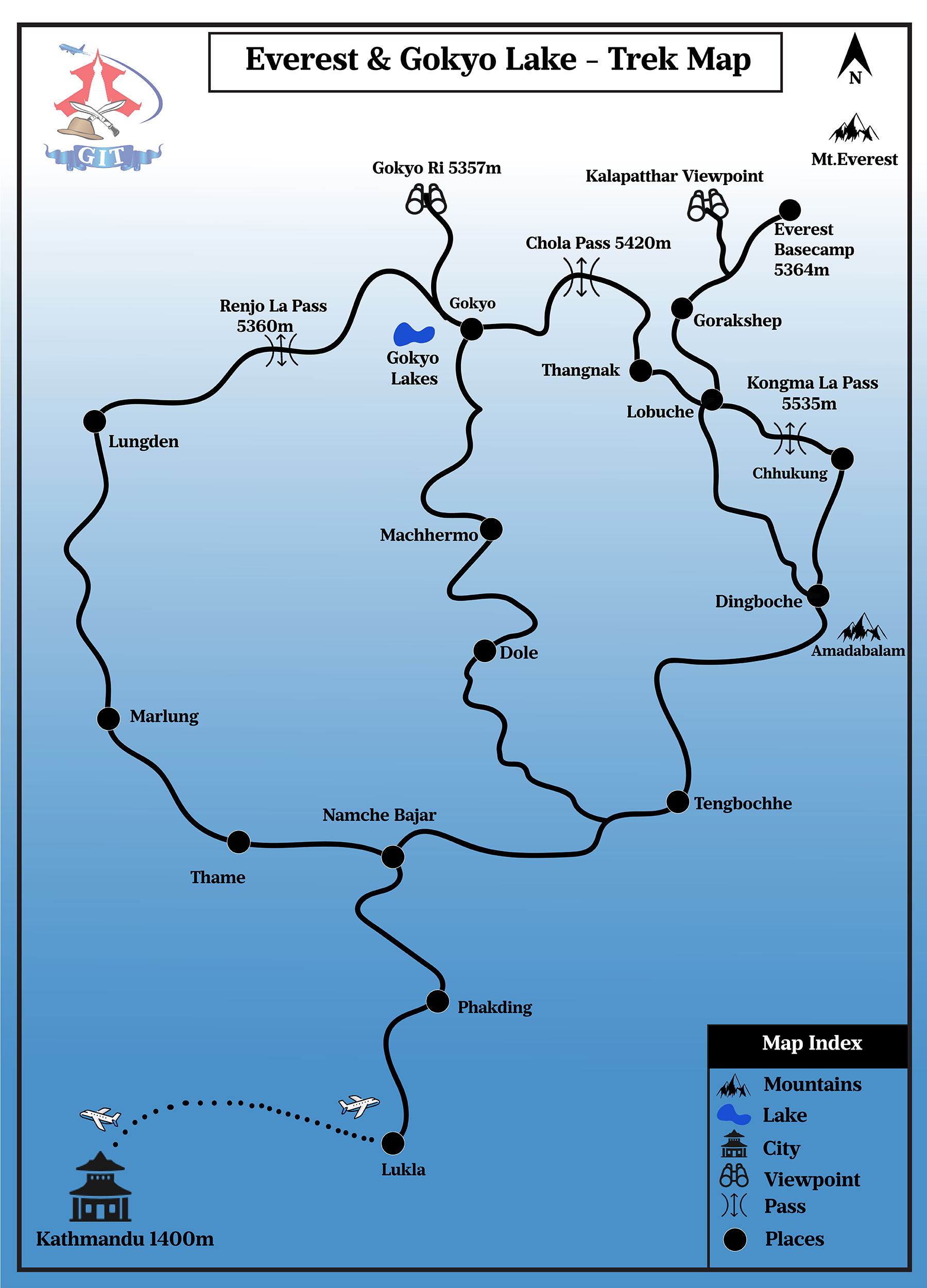
route-mapEverest Base Camp Trek - 14 Days

icons-image Itinerary

Accommodation
3star hotel in Kathmandu
Time Taken
N/A hours
Max Altitude
1380 m
Welcome to Kathmandu, the vibrant capital of Nepal! Upon your arrival at Tribhuvan International Airport, you will be greeted by a representative who will transfer you to your hotel. After checking in, take the day to relax and acclimate to the bustling atmosphere of the city. Depending on your arrival time, you might have the chance to explore some of Kathmandu’s renowned landmarks, such as Swayambhunath (the Monkey Temple) or Thamel’s lively streets. Prepare for your upcoming adventure by ensuring all your trekking gear is in order and getting a good night’s rest before the journey begins.

Accommodation
Lodge/Tea House in Phakding
Time Taken
3-4 hours
Max Altitude
2,652m

Begin your adventure with an exhilarating flight from Kathmandu to Lukla, a small mountain airstrip that serves as the gateway to the Everest region. The 30-minute flight offers breathtaking views of the Himalayan peaks and valleys. Upon arrival in Lukla, you’ll start your trek to Phakding, a charming village located along the Dudh Koshi River. The trail descends gently through beautiful pine forests and crosses several suspension bridges. Enjoy your first night in the Himalayas at a cozy lodge in Phakding, soaking in the tranquil surroundings and preparing for the days ahead.

Accommodation
Lodge/Tea House in Namche Bazaar
Time Taken
5-6 hours
Max Altitude
3,440m
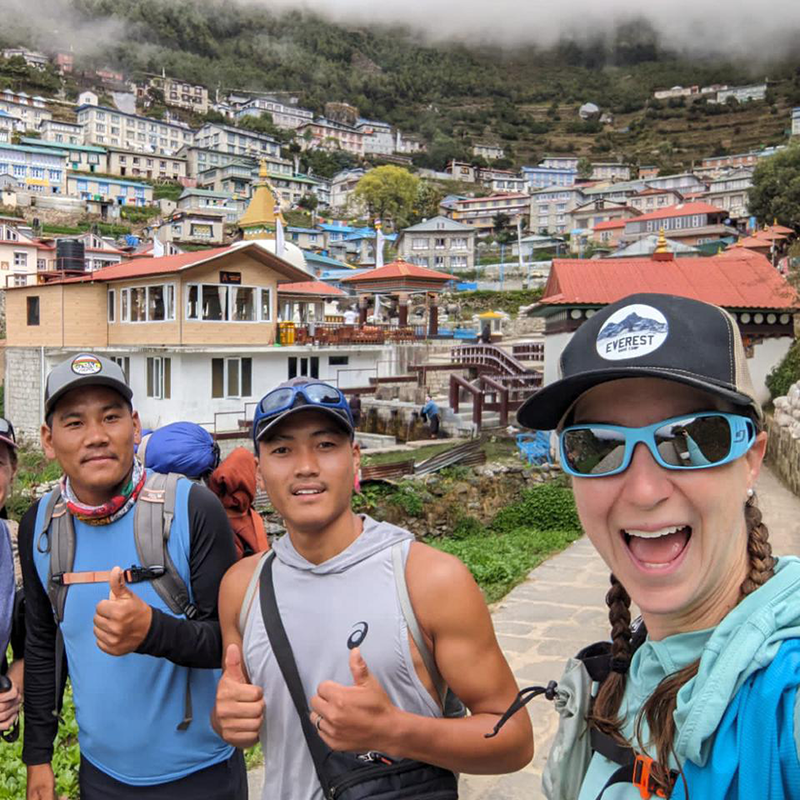
Today’s trek takes you from Phakding to Namche Bazaar, the bustling heart of the Everest region. The trail ascends gradually, passing through lush forests and quaint Sherpa villages. As you cross the famous Hillary Suspension Bridge and climb steeply towards Namche Bazaar, you’ll be rewarded with stunning views of the surrounding peaks. Arrive in Namche Bazaar, situated at 3,440 meters, and check into your lodge. Spend the evening exploring the vibrant market, visiting local shops, and acclimating to the higher altitude.

Accommodation
Lodge/Tea House in Namche Bazaar
Time Taken
Rest Day hours
Max Altitude
3,440m
To aid your acclimatization, today is a rest day in Namche Bazaar. Take the opportunity to explore the surrounding area and adapt to the altitude. Consider taking a short hike to the nearby Everest View Hotel or the village of Khumjung to enjoy panoramic views of Everest, Lhotse, and Ama Dablam. Visit the local museum or explore the bustling bazaar, where you can buy supplies and souvenirs. Acclimatization is crucial for a successful trek, so take it easy and hydrate well while enjoying the unique atmosphere of Namche Bazaar.

Accommodation
Lodge/Tea House in Tengboche
Time Taken
5-6 hours
Max Altitude
3,870m
Today’s trek leads you from Namche Bazaar to Tengboche, a picturesque village renowned for its stunning monastery and panoramic views. The trail descends gently before ascending through lush forests and terraced fields. As you approach Tengboche, you’ll be greeted by spectacular views of Everest, Ama Dablam, and other surrounding peaks. Visit the Tengboche Monastery, an important spiritual site for the Sherpa people, and soak in the serene ambiance. Spend the night in a comfortable lodge in Tengboche, surrounded by the majestic Himalayan landscape.

Accommodation
Lodge/Tea House in Dingboche
Time Taken
5-6 hours
Max Altitude
4,360m
From Tengboche, you’ll trek to Dingboche, a beautiful village located at a higher altitude. The trail descends through pine forests and crosses the Imja Khola before ascending to Dingboche. The village, situated at 4,410 meters, offers stunning views of the surrounding peaks, including Lhotse and Island Peak. Upon arrival, check into your lodge and take some time to rest and acclimate to the higher altitude. Enjoy the clear mountain air and the tranquil surroundings as you prepare for the next stages of your trek.

Accommodation
Lodge/Tea House in Dingboche
Time Taken
Rest Day hours
Max Altitude
4,360m
Another crucial acclimatization day awaits you in Dingboche. Take the opportunity to explore the surrounding area and aid your body’s adjustment to the altitude. Consider a short hike to the nearby Nagarjun Hill for panoramic views of the Everest region, or visit the local village to experience Sherpa culture. Rest and hydration are key during this day, so take it easy and enjoy the serene environment. This acclimatization day will help you better prepare for the higher altitudes you’ll encounter in the coming days.

Accommodation
Lodge/Tea House in Lobuche
Time Taken
5-6 hours
Max Altitude
4,940m
Today’s trek takes you from Dingboche to Lobuche, a small village located at 4,940 meters. The trail ascends through rocky terrain and passes the memorials for climbers who have perished on Everest. As you climb higher, the landscape becomes more barren and dramatic, with stunning views of the surrounding peaks. Upon reaching Lobuche, check into your lodge and take some time to rest and acclimate. Enjoy the crisp mountain air and prepare for the next day’s trek to Everest Base Camp.

Accommodation
Lodge/Tea House in Gorak Shep
Time Taken
7-8 hours
Max Altitude
5,364m
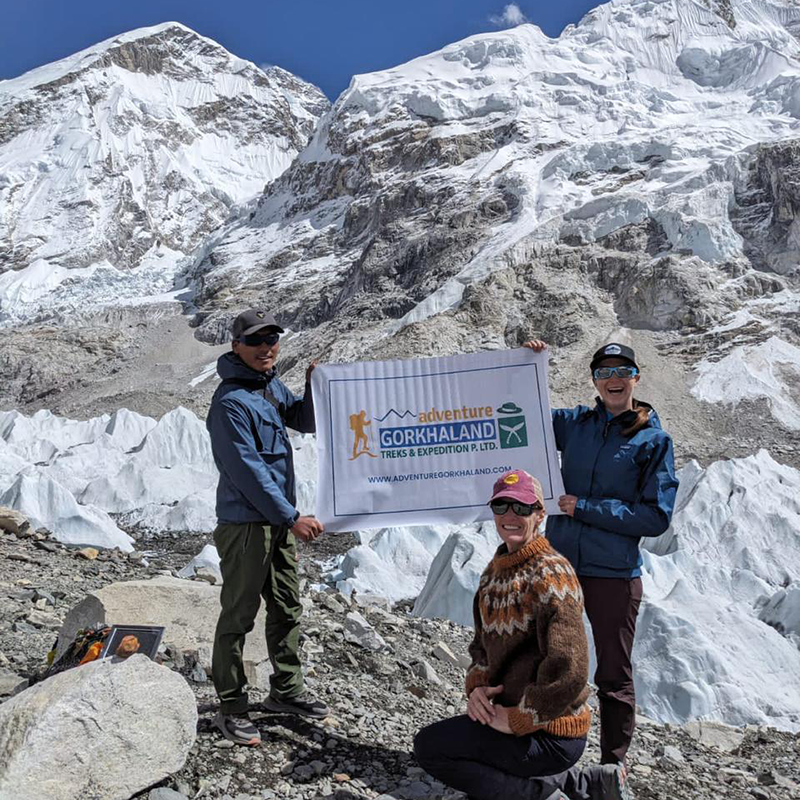
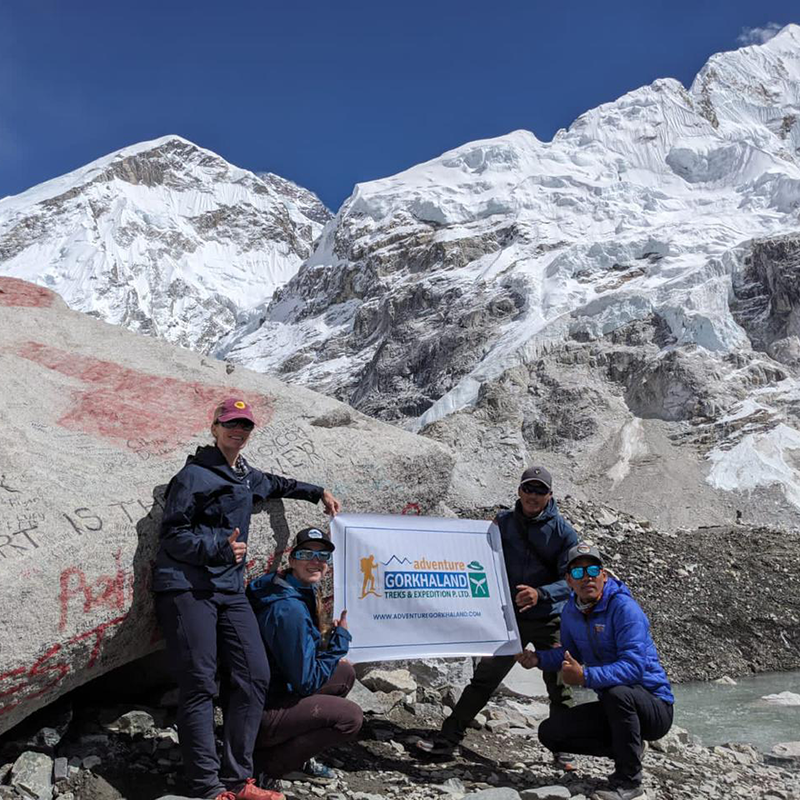
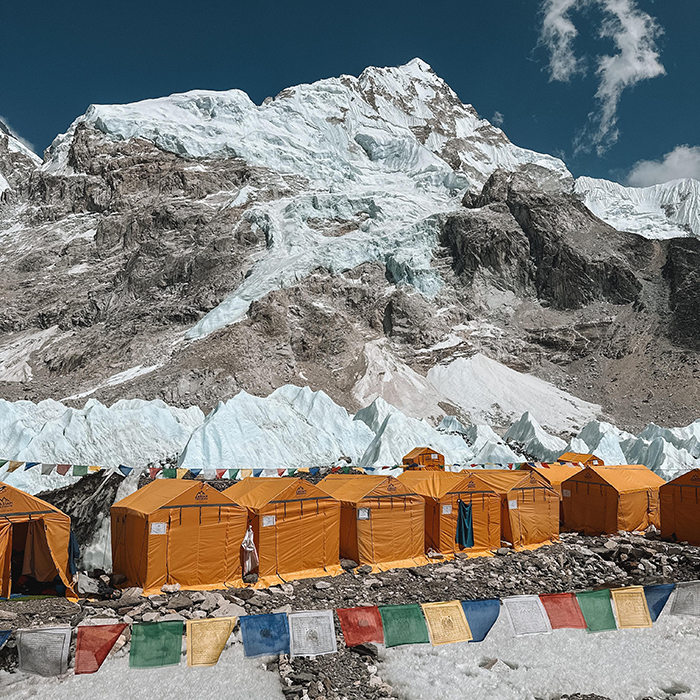
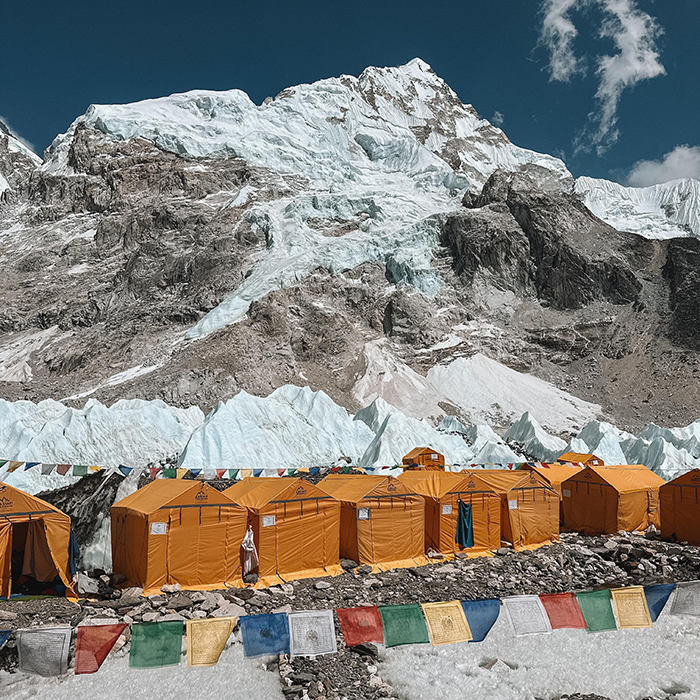
Today’s trek takes you from Lobuche to Gorak Shep, the final stop before Everest Base Camp. The trail is challenging, with rocky paths and changing weather conditions. Upon reaching Gorak Shep, drop off your heavy gear and continue your trek to Everest Base Camp, situated at 5,364 meters. The base camp offers an incredible view of the Khumbu Icefall and the surrounding peaks. After spending some time at base camp, return to Gorak Shep for the night. The day is physically demanding but immensely rewarding, as you stand in the heart of the Himalayas.

Accommodation
Lodge/Tea House in Pheriche
Time Taken
6-7 hours
Max Altitude
5,545m
An early morning hike takes you from Gorak Shep to Kala Patthar, a renowned viewpoint offering breathtaking views of Everest and the surrounding peaks. The sunrise over the Himalayas is a truly unforgettable experience. After soaking in the stunning vistas, descend back to Gorak Shep for breakfast and then continue your trek to Pheriche, a lower altitude village that offers a more comfortable environment for the descent. Arrive in Pheriche and settle into your lodge, enjoying the peaceful atmosphere and the chance to recover from the high-altitude exertion.

Accommodation
Lodge/Tea House in Namche Bazaar
Time Taken
6-7 hours
Max Altitude
4,240m
Today’s trek takes you from Pheriche back to Namche Bazaar. The trail descends through lush forests and charming villages, retracing your steps through the lower altitudes of the Everest region. As you approach Namche Bazaar, you’ll be greeted by the familiar sights and sounds of the bustling market. Spend the night in Namche Bazaar, where you can relax and reflect on your trek to Everest Base Camp. Enjoy the vibrant atmosphere and the camaraderie of fellow trekkers.

Accommodation
Lodge/Tea House in Lukla
Time Taken
6-7 hours
Max Altitude
3,440m
From Namche Bazaar, you’ll trek back to Lukla, completing the final leg of your trek. The trail descends through beautiful forests and terraced fields, with the Modi Khola River providing a serene backdrop. Upon reaching Lukla, check into your lodge and enjoy a well-deserved rest. Celebrate the completion of your trek with a farewell dinner, reflecting on the incredible journey you’ve experienced and the stunning landscapes you’ve traversed.

Accommodation
Hotel in Kathmandu
Time Taken
30-minute flight hours
Max Altitude
2,800m
After breakfast, board your flight from Lukla to Kathmandu, taking in the final views of the Himalayas from the air. Upon arrival in Kathmandu, transfer to your hotel and take some time to relax and enjoy the city. You might want to explore any remaining sights or do some last-minute shopping. Celebrate the successful completion of your trek with a farewell dinner and reflect on the incredible adventure you’ve had in the Everest region.

Accommodation
N/A
Time Taken
N/A hours
Max Altitude
1,400m
On your final day in Kathmandu, you’ll have some free time to relax or explore the city before your departure. Depending on your flight schedule, you might visit some of Kathmandu’s cultural landmarks, such as Durbar Square or the Garden of Dreams. Your representative will transfer you to the airport for your onward journey. Depart with unforgettable memories of your trek to Everest Base Camp and the stunning landscapes of the Himalayas.

icons-image Cost Include

  • Experienced Guides: Our team of experienced and certified trekking guides, well-versed in the region's terrain and high-altitude conditions, ensures your safety and enhances your trekking experience.
  • Comfortable Accommodation: Throughout the trek, we arrange cozy and warm teahouse accommodations in the picturesque villages along the trail, providing you with a comfortable and refreshing stay each night.
  • Delicious Meals: Savor three hearty meals a day, including breakfast, lunch, and dinner, freshly prepared to provide you with the necessary energy to fuel your adventure.
  • Trekking Permits and Paperwork: Leave the paperwork to us as we take care of all necessary permits and paperwork required for the Everest Base Camp trek, allowing you to focus solely on the journey ahead.
  • Hassle-free Airport Transfers: Our package includes seamless airport transfers, ensuring a smooth and stress-free start to your trekking adventure.
  • Essential Trekking Gear: We equip you with essential trekking gear, including down jackets, sleeping bags, and trekking poles, to keep you comfortable and well-prepared throughout the trek.
  • Comprehensive Medical Kit: Rest assured that your safety is our priority. A comprehensive medical kit is available during the trek to handle any minor medical issues that may arise.
  • Emergency Helicopter Evacuation: In the unlikely event of any unforeseen circumstances, we have arrangements in place for emergency helicopter evacuation, ensuring prompt and efficient assistance if needed.

icons-image Cost Exclude

  • International Flight Tickets: Please note that the package does not cover international flight tickets to and from your home country.
  • Comprehensive Travel Insurance: We highly recommend obtaining comprehensive travel insurance to cover any unforeseen events, medical emergencies, or trip cancellations during your expedition.
  • Visa Fees: The cost of obtaining a visa for Nepal is not included in the package. Ensure you check the current visa requirements and fees applicable to your nationality.
  • Personal Expenses: Additional expenses of a personal nature, such as snacks, souvenirs, or alcoholic beverages, are not covered in the package.
  • Tips and Gratuities: While tipping is not mandatory, it is customary to show appreciation to the guides, porters, and teahouse staff for their excellent services.
  • Extra Accommodation: If you choose to extend your stay in Nepal beyond the trek, any additional accommodation costs will be at your expense.
  • Trekking Gear Rental: Should you prefer to rent trekking gear instead of using the provided gear, rental costs will be separate from the package.
  • Extra Services: Any additional services not explicitly mentioned in the package, such as sightseeing tours or helicopter tours, will incur extra charges.

icons-image gallery and videos

Image
Image
Image
Image
Image
Image
Image
Image
Image
Image
Image
image
image

live weather

real temperature
-6.56 °C
Feels Like
-13.55 °C
Humidity
8%

icons-image Additional Information

icons-image freqeuntly asked question

The Everest Base Camp Trek is a renowned trekking adventure in Nepal that takes you to the base camp of Mount Everest, the world's highest peak. It offers stunning Himalayan scenery, rich Sherpa culture, and a challenging yet rewarding experience.

The standard duration for the Everest Base Camp Trek is 14 days. This allows for proper acclimatization and a more comfortable pace.

The ideal times for the trek are during the pre-monsoon (March to May) and post-monsoon (September to November) seasons when the weather is stable, skies are clear, and the trails are at their best. The monsoon season (June to August) and winter (December to February) are less favorable due to heavy rain and snow.

The trek is considered moderately challenging. It involves long daily walks, steep ascents and descents, and high-altitude conditions. Adequate physical fitness and proper acclimatization are crucial.

Trekkers need two permits: the Sagarmatha National Park Permit and the TIMS (Trekkers' Information Management System) card. These can be obtained in Kathmandu or at the entry points of the trek.

Essential items include warm clothing, a good pair of trekking boots, down jacket, rain gear, sleeping bag, backpack, trekking poles, and essential personal items. It's important to pack light but adequately for changing weather conditions.

The Everest Base Camp trek is a challenging yet attainable adventure for many trekkers. It generally spans 12 to 14 days, including acclimatization periods. The trek's difficulty largely stems from its high altitude, reaching approximately 5,364 meters (17,598 feet) at the base camp, which necessitates careful acclimatization to avoid altitude sickness. The terrain varies, featuring both steep ascents and descents on uneven and rocky paths, with some sections proving particularly tough. Weather conditions can be harsh, with temperatures often dropping below freezing, especially at night. Physical fitness is important, though you don’t need to be an elite athlete—regular cardio, strength training, and hiking practice will be beneficial. The trek covers about 130 kilometers (80 miles) round-trip, with daily walking times ranging from 5 to 8 hours, depending on your pace and itinerary. Additionally, logistics involve traveling to Lukla, the trek’s starting point, and staying in teahouses along the route, which may lack modern amenities. Despite these challenges, many find the trek to be an incredibly rewarding experience.

As per the recent rules , guides are not compulsory for the Everest Basecamp Trek. You can do this trek by yourself if you have some experience of these terrains but it is highly suggested and recommended every visitor to hire a guide for this trek to gain the indepth details of the places , people , culture and their history of the area. There will be huge difference in just visiting the place and to get in depth knowledge and experience of the place you've visited. Having a guide or support staff will be also benifitial in any kind of emergency cases on the trail.

The total distance for the Everest Base Camp trek, excluding acclimatization hikes in Namche and Dingboche, is approximately 130 kilometers. This distance is calculated based on the standard route via Namche, Tengboche, Dingboche, Lobuche, and Everest Base Camp. While 130 km may seem like a significant trek, it's important to note that you will complete this distance over the course of 12 days. Each day, you'll cover an average of 12 kilometers, requiring about 6 to 7 hours of walking. The longer duration of the approach to the base camp allows for proper acclimatization to the increasing altitude.

You can do this trek by yourself if you have some experience of these terrains but it is highly suggested and recommended every visitor to hire a guide for this trek to gain the indepth details of the places , people , culture and their history of the area. There will be huge difference in just visiting the place and to get in depth knowledge and experience of the place you've visited. Having a guide or support staff will be also benifitial in any kind of emergency cases on the trail. Guides can help you to assist in situation you've never been before.

The cost for trekking to Everest Basecamp can vary upon the individual, however the basic cost breakdown are done with Flights , Accomodations , Guides or Porters you hire. The average cost for trekking to Everest basecamp is around USD 1500 offered by most of the agencies in Nepal and can range upto USD 2500 to USD 3000 which offers premium travel services.

Embarking on the Everest Base Camp trek solo is feasible if you're experienced with similar terrains. However, hiring a guide is highly recommended. A guide not only enhances your journey by providing in-depth knowledge about the local culture, history, and people but also significantly enriches your experience compared to a mere visit. Additionally, having a guide or support staff is crucial for handling any emergencies that may arise on the trail. They can offer expert assistance in unfamiliar situations, ensuring a safer and more enjoyable trek.

Hiking to Everest Base Camp is a lifetime experience for many people. Like any other adventure, it requires preparation and planning including deciding on what to pack for the trek.

Trekkers will encounter numerous challenges, including the daunting length of 130 kilometers (80 miles) and the high altitude of 5,555 m (18,206 feet) at Kalapatthar. Additionally, weather fluctuations and rugged terrain contribute to the demanding nature of the journey, amidst sparse amenities and unfamiliar food and surroundings. Although this trek can be done by practicing some basic level of training which will help you complete this trek with less hassle. Training for the Everest Base Camp trek is essential to ensure you have the stamina, strength, and endurance to enjoy the trek comfortably. Here are some training tips: Cardiovascular Endurance ,Strength Training , Endurance Hiking , Flexibility and Mobility , Pack Training , Hydration and Nutrition , Rest and Recovery , Mental Preparation & Running exercises are also very benificial for this trek.

The Everest Base Camp trek is generally considered safe for those who are well-prepared in basic things , but it does come with inherent risks due to its high-altitude environment. The most significant concern is altitude sickness, which can range from mild symptoms to serious conditions like AMS , High Altitude Pulmonary Edema (HAPE) or High Altitude Cerebral Edema (HACE). Proper acclimatization, hydration, and awareness of symptoms are crucial. The weather can be unpredictable, with extreme cold and snowfall, so having the right gear is essential. While the trail involves challenging terrain and suspension bridges, following safety guidelines and having experienced guides can minimize risks. Comprehensive travel insurance that covers high-altitude treks and can make rescues is recommended for emergency situations. Overall, with proper preparation and precautions, the trek is manageable and rewarding, offering an incredible adventure with minimal risk.

icons-image enquiry for further inforamtion

icons-image package reviews and rating

showing varified reviews
image
Michael Williams - New York City, New York

2023-09-06 14:00:13

"Excellent Service"

Beyond the landscapes, the trek also offers a deep dive into Sherpa culture. The hospitality of the local Sherpa communities was heartwarming, and their monasteries and prayer flags added a spiritual dimension to the journey. The Tengboche Monastery, in particular, was a serene and contemplative highlight.

image
Emily Johnson - Willowbrook

2023-09-06 13:59:30

"Best Guides And Accomodation"

The natural beauty of the Everest Base Camp trek is unparalleled. From the lush forests of the lower Khumbu to the stark, windswept landscapes of the higher altitudes, each day reveals a new facet of this breathtaking region. The awe-inspiring views of Everest and neighboring peaks at sunrise from Kala Patthar are etched into my memory forever.

image
John Smith - Paris

2023-09-06 13:58:48

"Best Destination and Location"

The Everest Base Camp trek is a true Himalayan masterpiece, an adventure that will leave an indelible mark on your soul. Over the course of 12 days, I had the privilege of immersing myself in the breathtaking landscapes of the Khumbu region, forging lasting connections with fellow trekkers, and experiencing the awe-inspiring grandeur of the world's tallest mountain.

icons-image write reviews

Rate Your Star Scrore
  • TripAdvisor

icons-image Group Join Discount

Nos Of Persons price per person
1 persons US$ 1600
2 persons US$ 1520
3-5 persons US$ 1488
6-9 persons US$ 1440
10-15 persons US$ 1408
16+ persons US$ 1360

icons-image upcomming fixed departure

Trip Departure Date Price Trip Status Action
1. Everest Base Camp Trek - 14 Days 2026-04-22, 12 days US$ 1600 Secured Explore More

icons-image UpComming Fixed Departure

1. Trip Name
Everest Base Camp Trek - 14 Days
Trip Date
2026-04-22, 12 days
Trip Cost
US$ 1600
Status
Secured
Action
Explore More

icons-image

offered features

best price offered
pro guide provided
free booking fees
free orient.class
saveUS$208
visa process help

Make a Booking

package information
  • Per person priceUS$ 1600
  • Single SupplementaryUS$ 80
  • Book Now & saveUp To 15%
  • Other FeesFree
  • Total US$ 1600
Instant Book
customize trip
  • TripAdvisor

best seller 2023

Related Package

Selling Expedition

image
#best selling
14 Days Treks
Everest Region

Everest Base Camp Trek - 14 Days

(12)

luxury Treks

US$ 1600 | Per person

image
#traveler choices
13 Days Treks
Everest Region

Gokyo Lake Trek 13 Days

(12)

luxury Treks

US$ 1500 | Per person

image
#affordable
20 Days Treks
Everest Region

Everest Three Pass Trek 20 Days

(12)

luxury Treks

US$ 1999 | Per person

image
#best offer
8 Days Treks
Everest Region

Pikey Peak Trek 8 Days

(12)

luxury Treks

US$ 800 | Per person

Gorkha International Travel and Treks Pvt Ltd. Thamel, Kathmandu, Nepal

  • Phone No: +9779851066916
  • location:Thamel, Kathmandu NP
  • E-mail: info@gorkhatravel.com
  • Customer Service Departure contact@www.gorkhatravel.com

    USA office address:

  • Branch Director: Lok Tiwari, +1 301 322 1427
  • Gorkha International Travel Inc. 9301 Colesville Road Silver Spring MD 20901 USA

Quick Link

  • Know About
  • Quick Link
  • Services
  • Terms and Condition
  • Privacy Policy

access info

  • Travel Packages
  • News and Article
  • Partnership
  • Flight Booking
  • Quick Booking

newsletter

Join our news letters to receive latest offers, discount and promotion for you.

our business ecosystem

adventure-gorkha-logog Adventure Gorkhaland Treks & Expedition Pvt Ltd
precious-voyage-logos Precious Voyage Education Center
precious-voyage-logos Hotel Monalisa Kathmandu Pvt. Ltd
  • We Support:

All rights Reserved by Gorkha International Travel Developed and Architect by Hidden Developer

Magnified Image