
Duration
20 Days
Activity
Trekking
best season
March-May/Sept-Nov
Accommodation
Teahouse/Lodge
Destination
Everest Region
New Offers !!! 2026 New Booking open With 10% Discount

 iconic summary
from0Reviews
Guides And Language
facility
Value For Money
Service
Location
Overviews
The Everest Three Pass Trek is a challenging and rewarding trek in the Everest region of Nepal. It is a 17-19 day trek that takes in the stunning scenery of the Khumbu Valley, including Everest Base Camp, and crosses three high mountain passes: Renjo La (5,340m), Cho La (5,420m), and Kongma La (5,535m).
Delve into the realm of challenging yet immensely rewarding trekking, classified as a truly demanding endeavor that necessitates optimal physical and mental readiness for the high-altitude rigors. Each pass towers above the 5,000m mark, bestowing upon you the thrill of conquering unparalleled altitudes. Yet, the capricious weather at these heights demands prudent preparation, reminding trekkers to ascend gradually while embracing well-timed rest periods for acclimatization.
The Everest Three Pass Trek unveils a treasure trove of unparalleled rewards. The natural grandeur unfurls in a panorama of staggering beauty, etching memories of a lifetime into your consciousness. The moment of triumph upon conquering each pass is a crescendo of achievement that resonates deeply. Moreover, the expedition grants you an intimate rendezvous with the Sherpa culture, a people of enduring heritage who have nurtured this land for generations. Their warm hospitality adds an enriching layer to your odyssey, making every step a cultural immersion.
Elevate your wanderlust to new heights with the Everest Three Pass Trek, where the harmonious blend of nature's magnificence and human resilience culminate in an extraordinary journey. Embark now on this remarkable trekking venture for an experience that transcends the ordinary.
Here are some additional details about the Everest Three Pass Trek:
- The trek begins in Lukla, Nepal, and ends in Kathmandu.
- The total distance of the trek is about 100 kilometers.
- The trek takes about 17-19 days to complete.
- The best time to do the trek is during the spring (March-May) or autumn (September-November).
- The cost of the trek varies depending on the level of service you choose.
- Here are some longer descriptions of the highlights of the Everest Three Pass Trek:
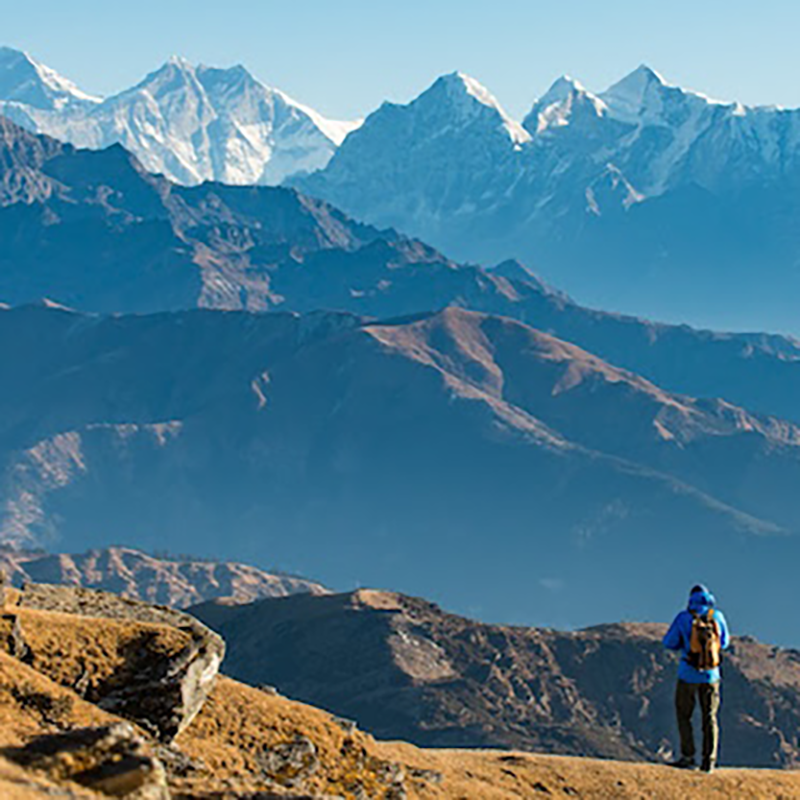
Stunning views of Everest, Lhotse, Makalu, and other 8,000m peaks: The Everest Three Pass Trek offers some of the most incredible views of the world's highest mountains. From the top of the passes, you can see Everest, Lhotse, Makalu, Cho Oyu, and many other peaks. The views are truly breathtaking, and they are a major reason why people choose to do this trek.
Crossing three high mountain passes: The Everest Three Pass Trek crosses three high mountain passes: Renjo La (5,340m), Cho La (5,420m), and Kongma La (5,535m). These passes are all above 5,000m, and they are a major challenge for trekkers. The altitude can be difficult to adjust to, and the weather can be unpredictable. However, crossing these passes is a major accomplishment, and it is a feeling that you will never forget.
Exploring the Khumbu Valley and its unique culture: The Khumbu Valley is a beautiful and culturally rich region. It is home to the Sherpa people, who have a unique culture that is influenced by both Tibetan and Nepali cultures. Trekkers have the opportunity to learn about the Sherpa way of life, and to experience their hospitality.
Meeting the Sherpa people and learning about their way of life: The Sherpa people are the indigenous people of the Khumbu Valley. They are known for their mountaineering skills, and they have played a major role in the exploration of Everest. Trekkers have the opportunity to meet the Sherpa people and learn about their way of life. This is a truly enriching experience, and it helps to put the Everest Three Pass Trek in a broader context.
Gaining a sense of accomplishment and self-discovery: The Everest Three Pass Trek is a challenging trek, but it is also a rewarding one. Trekkers who complete the trek gain a sense of accomplishment and self-discovery. They have challenged themselves physically and mentally, and they have learned a great deal about themselves and the world around them. This is a truly life-changing experience, and it is one that trekkers will never forget.
Here are some other additional highlights of the Everest Three Pass Trek:
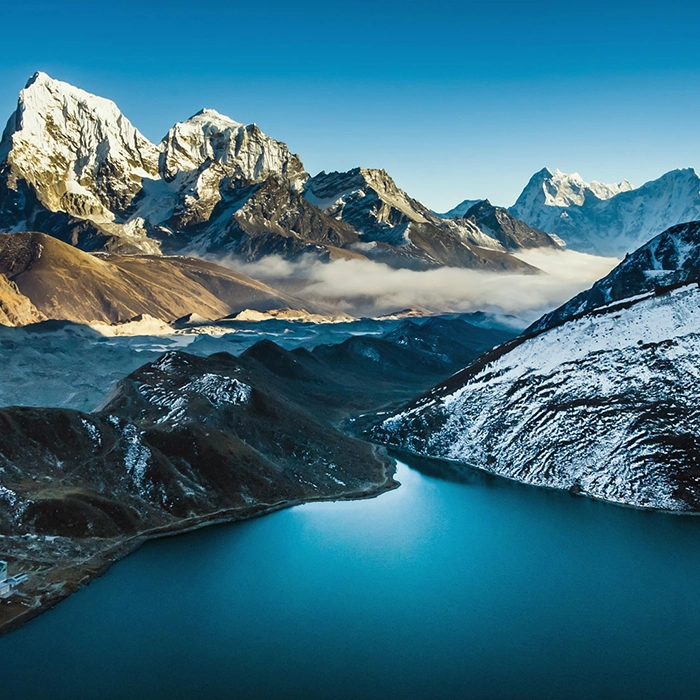
The Gokyo Lakes: The Gokyo Lakes are a group of six lakes located in the Gokyo Valley. They are said to be the highest freshwater lakes in the world. The lakes are a popular destination for trekkers, and they offer stunning views of the surrounding mountains.
Tengboche Monastery: Tengboche Monastery is a Buddhist monastery located in the Khumbu Valley. It is one of the most important monasteries in the region, and it is a popular destination for trekkers. The monastery offers stunning views of Everest and the surrounding mountains.
The Khumbu Glacier: The Khumbu Glacier is the largest glacier in the Everest region. It is a massive and impressive sight, and it is a popular destination for trekkers. The glacier is also home to a variety of wildlife, including snow leopards, yaks, and ibex.
The Sherpa people: The Sherpa people are the indigenous people of the Khumbu Valley. They are known for their mountaineering skills, and they have played a major role in the exploration of Everest. Trekkers have the opportunity to meet the Sherpa people and learn about their way of life. This is a truly enriching experience, and it helps to put the Everest Three Pass Trek in a broader context.
The sense of accomplishment: The Everest Three Pass Trek is a challenging trek, but it is also a rewarding one. Trekkers who complete the trek gain a sense of accomplishment and self-discovery. They have challenged themselves physically and mentally, and they have learned a great deal about themselves and the world around them. This is a truly life-changing experience, and it is one that trekkers will never forget.
Gokyo Ri: This is a popular viewpoint situated above the Gokyo Lakes. It's not a peak in itself, but it provides breathtaking panoramic views of Everest, Lhotse, Makalu, and other surrounding peaks. Gokyo Ri is often climbed as a side trip from Gokyo village.
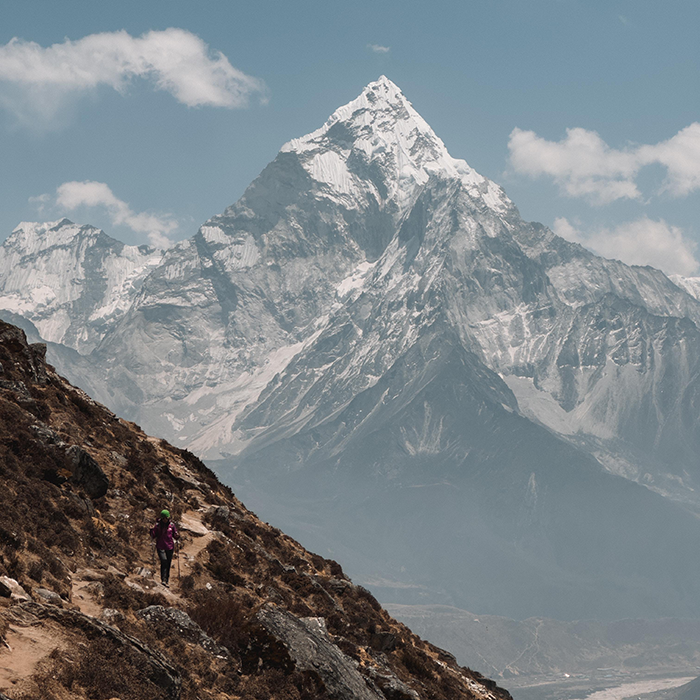
Chukkung Ri: Located near the village of Chukkung, this viewpoint offers incredible vistas of Ama Dablam, Lhotse, and Nuptse. It's a popular acclimatization hike during the trek and provides a good opportunity to gain some altitude.
Kala Patthar: While not directly on the Three Passes route, Kala Patthar is a famous viewpoint near Everest Base Camp that offers one of the best views of Mount Everest and the Khumbu Icefall. Many trekkers make a side trip to Kala Patthar for sunrise views.
Island Peak (Imja Tse): This is a popular trekking peak and a good introduction to basic mountaineering. It's often included as an optional extension to the Three Passes Trek. Climbing Island Peak requires some technical skills and equipment, so it's advisable to be properly prepared.
Lobuche East: Another trekking peak in the region, Lobuche East offers a slightly more challenging climb compared to Island Peak. It requires mountaineering skills and is often done with a guide and necessary equipment.
Embarking on the Everest Three Pass Trek is a truly exhilarating and awe-inspiring adventure that offers a unique blend of challenge and natural beauty. This trekking journey takes you through the heart of the Himalayas, allowing you to traverse three high mountain passes: Kongma La, Cho La, and Renjo La. Each pass presents a distinct set of challenges, from steep ascents to breathtaking descents, making it a paradise for thrill-seeking trekkers and adventure enthusiasts. The trail weaves through picturesque Sherpa villages, offering glimpses into the rich local culture and warm hospitality. With the majestic Mount Everest as a constant backdrop, this trek guarantees breathtaking vistas that leave a lasting imprint on your memory.
Immerse yourself in the heart of the Khumbu region's unspoiled beauty, as you conquer these legendary mountain passes. The Everest Three Pass Trek promises an unparalleled experience for those seeking an adrenaline rush, cultural exploration, and unparalleled mountain views. Lace up your hiking boots, pack your sense of adventure, and set out on this epic journey of a lifetime through the rugged landscapes and cultural treasures of Nepal's Himalayas.
The Everest Three Pass Trek is a challenging but rewarding trek that takes you through some of the most stunning scenery in the world. The trek begins in Lukla and follows the trail to Everest Base Camp, but it then diverges from the standard route and climbs three high passes: Renjo La, Cho La, and Kongma La. These passes offer incredible views of the surrounding mountains, including Everest, Lhotse, and Makalu.
There are many reasons why you should trek to the Everest Three Pass Trek. Here are a few of them:
Stunning scenery: The trek takes you through some of the most beautiful scenery in the world, including the Khumbu Glacier, the Gokyo Lakes, and the Everest massif.
Challenge: The trek is challenging, but it is also incredibly rewarding. Climbing the three passes is a major accomplishment, and the views from the top are breathtaking.
Culture: The trek takes you through the heart of Sherpa country, and you will have the opportunity to learn about Sherpa culture and history.
People: The people you meet on the trek are some of the friendliest and most welcoming people in the world. You will make lifelong friends on this trek.
If you are looking for a challenging but rewarding trek with stunning scenery and amazing people, then the Everest Three Pass Trek is the perfect trek for you.
Here are some additional things to consider when deciding whether or not to trek to the Everest Three Pass Trek:
Physical fitness: The trek is challenging, so you need to be in good physical condition.
Acclimatization: The altitude can be high, so it is important to acclimatize slowly.
Cost: The trek can be expensive, so you need to factor in the cost of transportation, accommodation, food, and permits.
Time commitment: The trek takes about 18 days, so you need to make sure you have enough time to complete it.
Trekking the Everest Three Passes is an exhilarating yet demanding adventure that requires careful planning and preparation. Follow these steps to ensure a successful and enjoyable trek:
Physical Fitness Preparation: The Everest Three Pass Trek involves high altitudes and challenging terrain. Prior to the trek, engage in a comprehensive fitness routine that includes cardiovascular exercises, strength training, and endurance-building activities. Focus on hiking or walking uphill to simulate the trek's conditions.
Obtain Permits and Necessary Documents: Obtain the required permits for the trek, including the Sagarmatha National Park Entry Permit and the Khumbu Rural Municipality Permit. You'll also need a TIMS (Trekkers' Information Management System) card. Make sure to have a valid passport, visa, and trekking insurance.
Choose the Right Season: The best time for the Everest Three Pass Trek is during the pre-monsoon (spring) season (March to May) and post-monsoon (autumn) season (September to November). These months offer clear skies, favorable weather, and stunning views.
Pack Smart: Pack lightweight clothing suitable for layering, as temperatures can vary greatly. Don't forget essential gear like trekking boots, a down jacket, rain gear, a warm hat, gloves, and a comfortable backpack. Carry a water purification system, as safe drinking water is crucial.
Acclimatization: Altitude sickness is a serious concern during the trek. Plan your itinerary to include rest days and gradual altitude gain to allow your body to acclimatize. Listen to your body, and if you experience symptoms like headaches, dizziness, or nausea, descend to a lower altitude.
Guided vs. Independent Trek: Decide whether to trek with a guided group or independently. While trekking independently offers more flexibility, joining a guided group ensures safety, experienced guides, and pre-arranged logistics.
Route Planning: The Everest Three Pass Trek typically starts and ends in Lukla. Research the route in advance, including the locations of teahouses, water sources, and high-altitude camps. The passes include Kongma La, Cho La, and Renjo La; be prepared for steep ascents and descents.
Hydration and Nutrition: Stay hydrated by drinking plenty of fluids, but avoid alcohol at high altitudes. Consume a balanced diet with carbohydrates for energy and protein for muscle recovery. Local tea houses offer a variety of meals, but consider carrying energy bars and snacks.
Respect Local Culture: The Everest region is home to Sherpa communities with a rich cultural heritage. Respect local customs, traditions, and religious sites. Learn a few basic Nepali phrases to interact with locals and show appreciation for their hospitality.
Emergency Preparedness: Carry a basic first aid kit with essentials like bandages, antiseptics, pain relievers, and altitude sickness medication. Familiarize yourself with emergency evacuation procedures and have a means of communication in case of emergencies.
Seamless Airport Transfer: Enjoy the convenience of a private vehicle pick-up upon arrival at the airport, as well as drop-off at your hotel. Similarly, a smooth transfer will be arranged from your hotel to the airport upon departure.
Comprehensive Online Briefing: After confirming your booking, you'll receive an online trip briefing, ensuring you're well-prepared with all necessary information before your journey begins.
Health Monitoring at Altitude: Your safety is our priority. We regularly monitor your blood oxygen saturation using pulse oximeters at high altitudes. This proactive approach helps us detect early signs of altitude sickness, ensuring your well-being throughout the trek.
Medical Preparedness: We provide medical kits as a precautionary measure, demonstrating our commitment to your health and safety during the trek.
Effortless Booking and Reservation: Our user-friendly booking and reservation system streamlines the process, making it hassle-free for you to secure your trekking adventure.
Open Communication Channels: Stay connected through multiple channels including Email, WhatsApp, Facebook, WeChat, Viber, Skype, and Zoom. This enables easy communication and assistance whenever you need it.
Convenient Payment Options: We offer an easy and flexible payment system, accommodating your preferences and making the financial aspect of your trek straightforward.
Gear Arrangements: If you don't have your own sleeping bags and down jackets, we'll provide them for you, ensuring you're well-equipped to handle varying temperatures.
Luggage Solutions: Enjoy the convenience of our free excess luggage storing service during the trek, allowing you to trek with only essentials while keeping your additional belongings safe.
Porter Support: We provide duffle bags for porters, enhancing their ease of carrying and safeguarding your belongings during the trek.
The best season to go on the Everest Three Pass Trek is in the spring (March to May) or autumn (September to November). These seasons offer the most favorable weather conditions, with clear skies, mild temperatures, and little rainfall. The trails are also less crowded during these times of year.
Spring: The spring season is a great time to go on the Everest Three Pass Trek because the weather is starting to warm up and the flowers are in bloom. You'll also be able to see the snow-capped mountains in their full glory. However, the spring season is also the busiest time of year for trekking in Nepal, so expect to share the trails with more people.
Autumn: The autumn season is a bit cooler than the spring season, but it's still a great time to go on the Everest Three Pass Trek. The weather is still clear and sunny, and the crowds have thinned out a bit. You'll also be able to see the fall foliage in the surrounding mountains.
If you're looking for the best possible weather conditions for the Everest Three Pass Trek, then the spring or autumn seasons are the way to go. However, it's important to note that the weather in the Himalayas can be unpredictable, so it's always a good idea to be prepared for anything.
Here are some additional things to keep in mind when planning your Everest Three Pass Trek:
Altitude sickness: This is a serious risk on any high-altitude trek, and the Everest Three Pass Trek is no exception. Make sure you acclimatize properly before attempting the trek, and be aware of the symptoms of altitude sickness.
Physical fitness: The Everest Three Pass Trek is a challenging trek, and it's important to be in good physical condition before you attempt it. You'll be hiking for several hours each day at high altitudes, so you'll need to be able to handle the physical demands of the trek.
Permits and fees: You'll need to obtain several permits and pay various fees before you can go on the Everest Three Pass Trek. These permits and fees can be expensive, so it's important to factor them into your budget.
The cost of the Everest Three Passes Trek can vary depending on several factors, including the duration of the trek, the level of comfort you prefer, the services you opt for, and whether you choose to hire a guide or go independently. On average, the total cost of the trek, including permits, accommodations, food, transportation, and other expenses, can range from around $1,200 to $2,500 USD or more.
Here's a breakdown of potential expenses:
Permits: The Everest Three Passes Trek requires permits such as the Sagarmatha National Park Entry Permit and the Khumbu Pasang Lhamu Rural Municipality Permit. These permits can add up to around $80 to $100 USD.
Accommodation: Accommodation costs vary based on the type of lodging you choose. Basic tea houses are more affordable, while higher-end lodges come with more amenities. On average, budget around $20 to $40 USD per night for accommodation.
Food: The cost of food depends on your preferences and the type of meals you choose. Local Nepali dishes are more affordable, while international cuisines can be pricier. Plan to spend around $15 to $30 USD per day on meals.
Guide and Porter: If you decide to hire a guide or porter to assist you during the trek, this will be an additional expense. Guides and porters can greatly enhance your experience by providing insights, assistance, and handling logistics. The cost can vary but is usually around $20 to $30 USD per day for a guide and $15 to $25 USD per day for a porter, including their meals and accommodations.
Flights and Transportation: If you're flying to Lukla, the starting point of the trek, the cost of a flight can range from $150 to $300 USD each way, depending on the season and availability. Ground transportation, such as buses and taxis, may also factor into your overall expenses.
Miscellaneous Expenses: This includes expenses for water, snacks, personal items, and unforeseen costs. Budgeting an additional $10 to $20 USD per day for miscellaneous expenses is a reasonable estimate.
The Everest Three Pass Trek is an extraordinary adventure that promises a perfect blend of natural splendor, physical challenge, and cultural immersion. This remarkable trek takes you through the heart of the Himalayas, allowing you to conquer three iconic mountain passes while being surrounded by awe-inspiring landscapes and the warmth of local Sherpa communities.
As you traverse the rugged terrain and ascend to high altitudes, the journey tests your physical endurance and mental resilience. The stunning vistas of snow-capped peaks, tranquil lakes, and picturesque valleys serve as constant reminders of the magnificence of nature. The experience of standing atop Kongma La, Cho La, and Renjo La is nothing short of exhilarating – a triumphant feeling that encapsulates the spirit of adventure.
Beyond the physical accomplishments, the Everest Three Pass Trek also offers a deep cultural connection. The Sherpa villages along the trail provide an opportunity to experience the unique way of life in the Himalayas. The hospitality of the local communities, the vibrant monasteries, and the prayer flags fluttering in the wind all contribute to an enriching cultural experience.
Undertaking the Everest Three Pass Trek requires careful planning, physical preparation, and respect for the environment and local traditions. It's a journey that challenges your limits, broadens your horizons, and leaves an indelible mark on your soul. Whether you're an adventure enthusiast, a nature lover, or a cultural explorer, this trek is an invitation to embrace the grandeur of the Himalayas and embark on a once-in-a-lifetime odyssey.
route map for Everest Three Pass Trek 20 Days
 Itinerary
Upon arriving in Kathmandu, you'll be greeted by the bustling energy of this vibrant city. The chaotic yet charming streets, filled with colorful shops, food stalls, and ancient temples, set the tone for your adventure. After transferring to your hotel, you’ll have some free time to rest and acclimate to the new environment. Take the opportunity to wander through the narrow lanes of Thamel, where you can shop for trekking gear, savor local delicacies, or just soak in the lively atmosphere. In the evening, there’s a pre-trek briefing where you’ll meet your guide and fellow trekkers. This is the perfect time to ask any questions, go over the itinerary, and start getting excited for the trek ahead. Enjoy your evening and prepare for the journey of a lifetime!
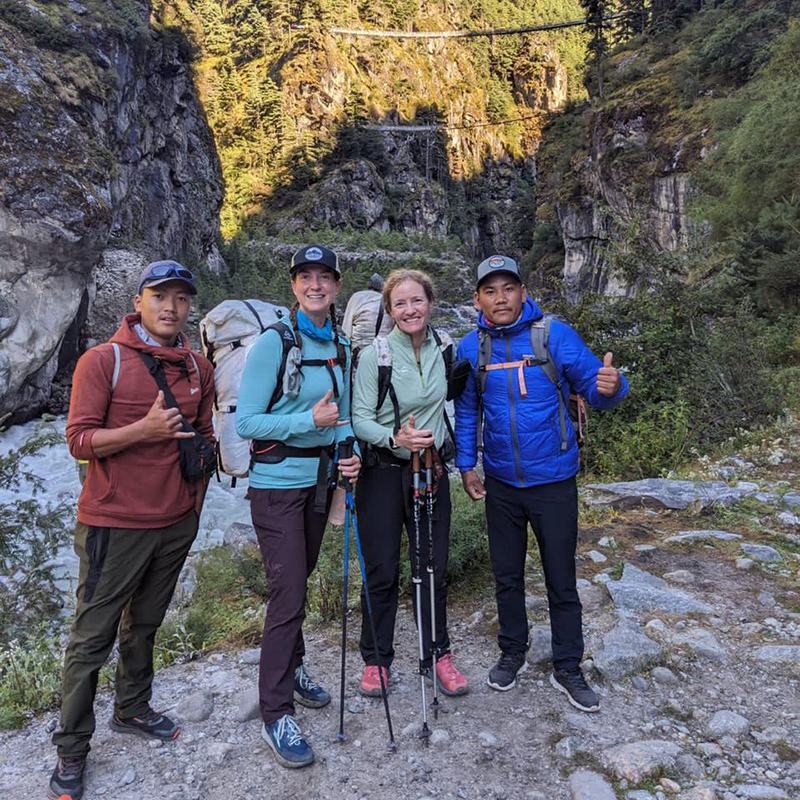
Day 2 kicks off with an exhilarating flight from Kathmandu to Lukla. Buckle up for one of the most thrilling flights of your life! As your small aircraft navigates through the dramatic landscape, you'll be treated to breathtaking views of the Himalayas. Once in Lukla, the adventure truly begins. From Lukla, you’ll start your trek to Phakding, a charming village nestled by the Dudh Koshi River. The trek is relatively easy, taking you through picturesque pine forests and across suspension bridges. You'll be greeted by stunning views of the surrounding peaks and quaint villages along the way. By the time you reach Phakding, you’ll have plenty of time to unwind, enjoy a hot meal, and soak in the serene beauty of your surroundings. It's a perfect introduction to the trek and a great way to acclimate to the higher altitudes.
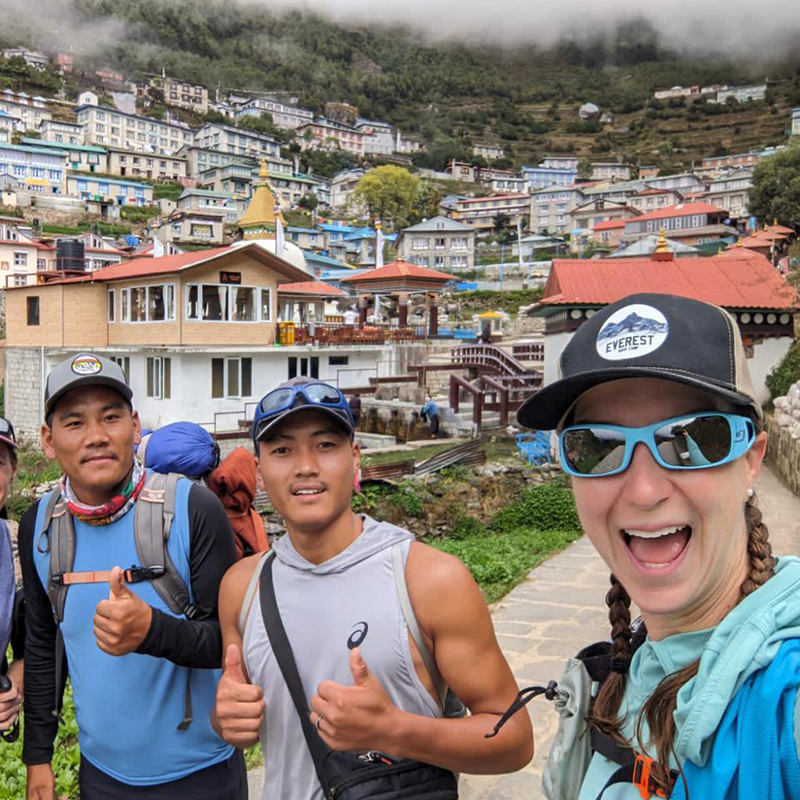
The third day is a highlight of the trek as you make your way to Namche Bazaar, the bustling hub of the Everest region. This day's trek is filled with stunning natural beauty and cultural encounters. You'll start by crossing several suspension bridges over the Dudh Koshi River, with magnificent views of snow-capped peaks in the distance. The trail winds through lush forests and charming Sherpa villages, giving you a glimpse into local life. The ascent to Namche Bazaar is gradual but steady, offering incredible vistas as you gain altitude. As you approach Namche, the sight of this vibrant town nestled between towering peaks will be a welcome reward. Once there, you'll find a lively market, cozy teahouses, and friendly locals. It's the perfect place to acclimate and prepare for the more challenging days ahead, with plenty of opportunities to explore and get a taste of Sherpa culture.
Acclimatization is crucial for your safety in high-altitude trekking, so today is all about acclimatization, which is crucial for your health and comfort during the trek. Namche Bazaar is not only a strategic resting point but also a lively place to explore. Spend the morning hiking to nearby viewpoints, such as the Everest View Hotel, which offers panoramic vistas of Everest, Lhotse, and Ama Dablam. This relatively short hike helps your body adjust to the altitude while providing some of the best views of your journey. In the afternoon, you can explore the vibrant local market, visit the Sherpa Museum to learn about the region's rich culture and history, or simply relax and enjoy a coffee in one of the cozy cafes. This day is designed to let you soak in the unique atmosphere of Namche Bazaar while giving your body time to adapt to the altitude before you continue your trek. It’s a great opportunity to recharge and prepare for the adventures ahead.
This day takes you from the bustling streets of Namche Bazaar to the serene and picturesque village of Tengboche. The trek begins with a delightful descent through forests of pine and rhododendron, offering stunning views of the surrounding peaks and valleys. As you cross the Dudh Koshi River, you'll traverse a series of suspension bridges that offer spectacular vantage points. The path then gradually ascends through a scenic landscape dotted with traditional Sherpa homes and monasteries. Reaching Tengboche, you’ll be greeted by the majestic sight of the Tengboche Monastery, perched against a backdrop of Everest, Lhotse, and Ama Dablam. The monastery is a spiritual haven where you can witness traditional Tibetan Buddhist rituals and enjoy the peaceful ambiance. This day’s trek is not overly strenuous, making it an excellent opportunity to appreciate the natural beauty and cultural richness of the Everest region while preparing for the more challenging days ahead.
Today is a journey through diverse landscapes and offers a glimpse into the everyday lives of the Sherpa people. Starting from Tengboche, you’ll descend through a beautiful forest of pine and rhododendron before crossing the Imja Khola river on a suspension bridge. The trail then gently ascends through small villages and terraced fields to reach Dingboche. As you trek, you'll witness the changing scenery from lush green valleys to the stark, alpine environment. Dingboche, located at a higher altitude, is a charming village known for its fields of barley, potatoes, and buckwheat, surrounded by majestic peaks like Lhotse and Island Peak. The increased altitude might be noticeable, but the slower pace and stunning views make the trek enjoyable. Once in Dingboche, you’ll have time to rest and acclimate, preparing you for the higher altitudes you’ll encounter in the coming days.
The seventh day is a well-deserved break from trekking, allowing your body to adjust to the higher altitude. Dingboche is a perfect spot for acclimatization with its stunning setting and fresh mountain air. Spend the day taking a short hike to Nangkartshang Peak, which offers breathtaking panoramic views of Makalu, Island Peak, and the surrounding peaks. This hike helps with acclimatization while giving you some of the best vistas of your journey. Alternatively, you can explore the village, visit local gompas (monasteries), or simply relax and enjoy the serene environment. Dingboche’s clear skies and crisp air make it an excellent place to rejuvenate before you continue your trek. This day is all about giving your body the time it needs to acclimate and ensuring you’re ready for the more challenging parts of the trek ahead.
Day 8 is a relatively short but rewarding trek that takes you from Dingboche to Chhukung, a small settlement nestled beneath the impressive Island Peak. The trail offers a beautiful transition from the lush landscapes of Dingboche to the more rugged terrain around Chhukung. You’ll trek through alpine meadows and cross a few small streams, with the majestic views of Island Peak and the surrounding peaks growing ever closer. Chhukung serves as a base for climbers and trekkers heading to Island Peak, and its higher altitude provides stunning views of the surrounding mountains. The extra day spent here is crucial for acclimatization, helping your body prepare for the challenging passes ahead. Upon arrival, you can enjoy the peaceful atmosphere of this remote village and soak in the dramatic mountain scenery, all while resting and preparing for the adventures to come.
The 9th day is one of the most thrilling and challenging days of the trek, as you cross the Kongma La Pass, the highest of the three passes on this journey. The day begins with a steep ascent from Chhukung, taking you through a rugged and often icy landscape. As you climb higher, the views become increasingly dramatic, with sweeping vistas of the surrounding peaks and glaciers. Reaching the pass, you’ll be rewarded with stunning panoramic views of Everest, Lhotse, and the Khumbu Glacier. The descent from Kongma La is equally exhilarating, with the trail winding through rocky terrain and offering breathtaking views of the surrounding landscapes. Upon reaching Lobuche, a small village with a few teahouses, you’ll have a well-deserved rest. Lobuche provides a stunning backdrop of the surrounding peaks and glaciers, making it a perfect place to unwind after a demanding day. The day’s trek is physically demanding but incredibly rewarding, with some of the best high-altitude scenery of the entire trek.
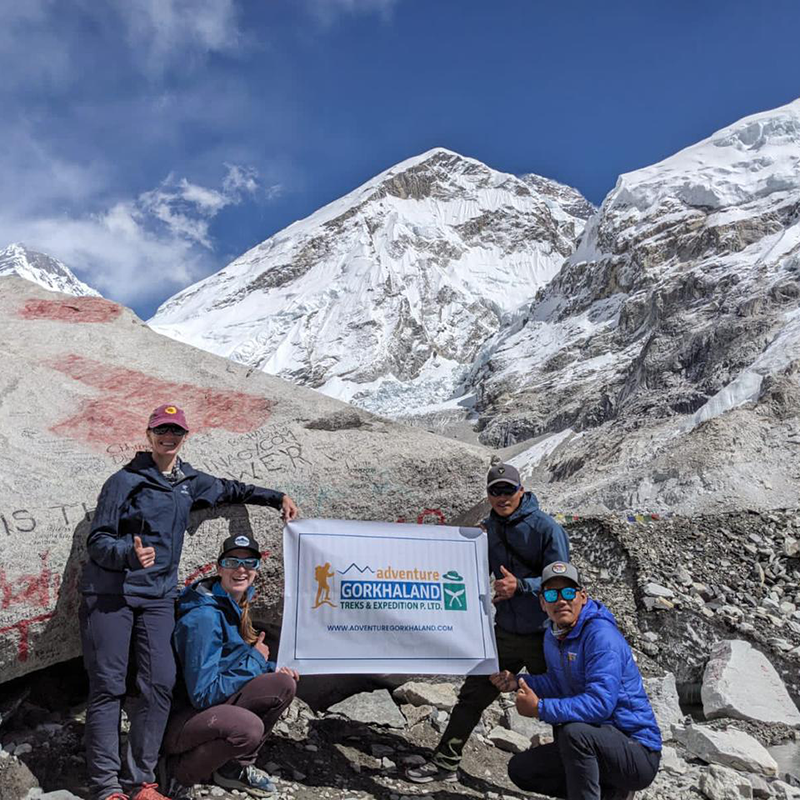
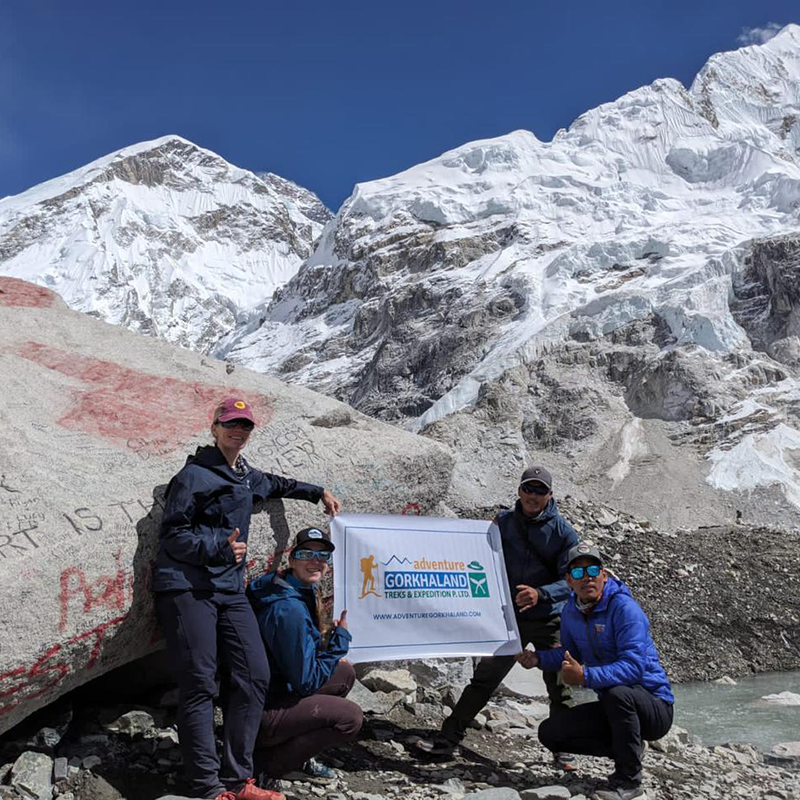
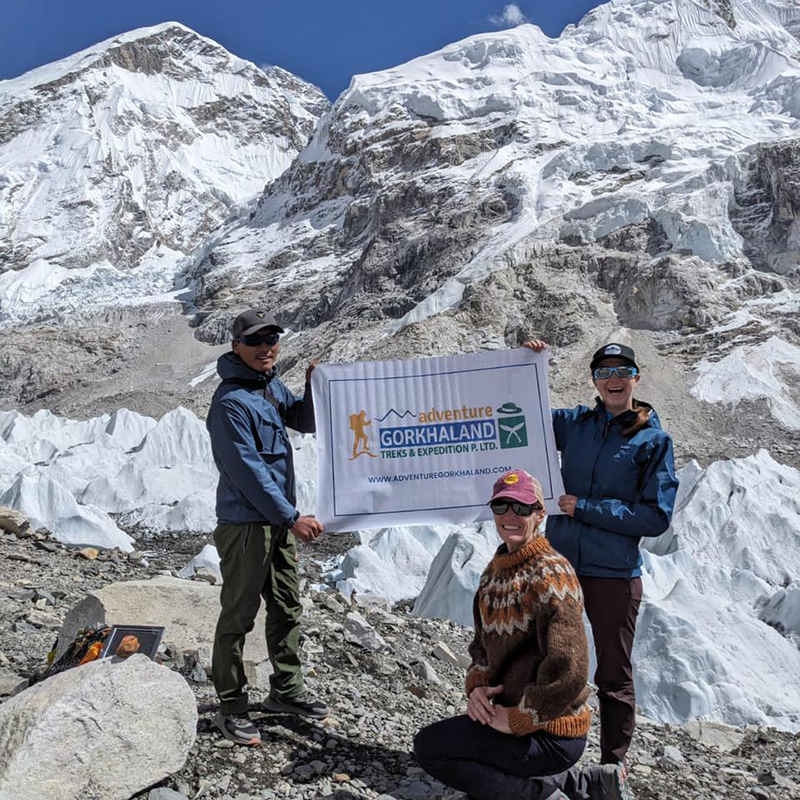
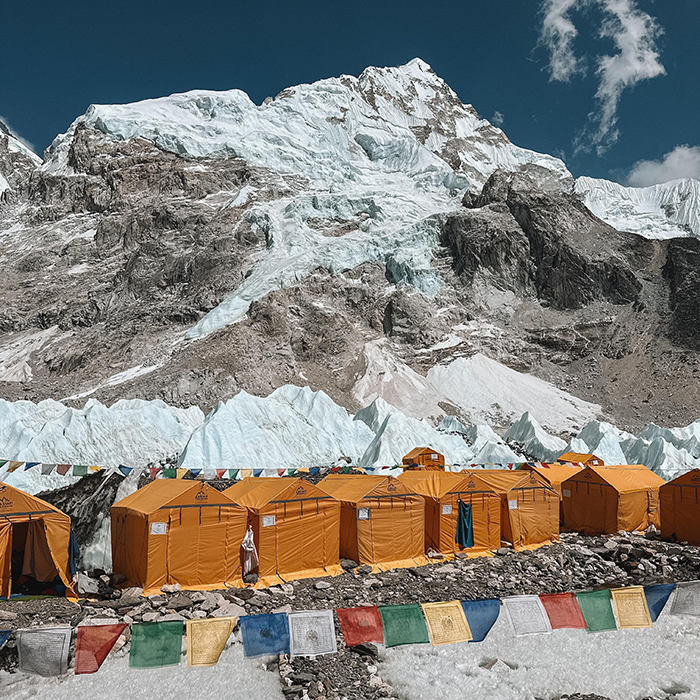
This day is a day of excitement and accomplishment as you trek from Lobuche to Gorak Shep, and then make the memorable journey to Everest Base Camp. The trek starts with a challenging yet rewarding walk along the Khumbu Glacier, navigating through rocky paths and icy terrain. The views of the surrounding peaks and the vast glacier make every step worthwhile. Upon reaching Gorak Shep, the last settlement before Everest Base Camp, you'll drop off your gear and prepare for the final stretch.
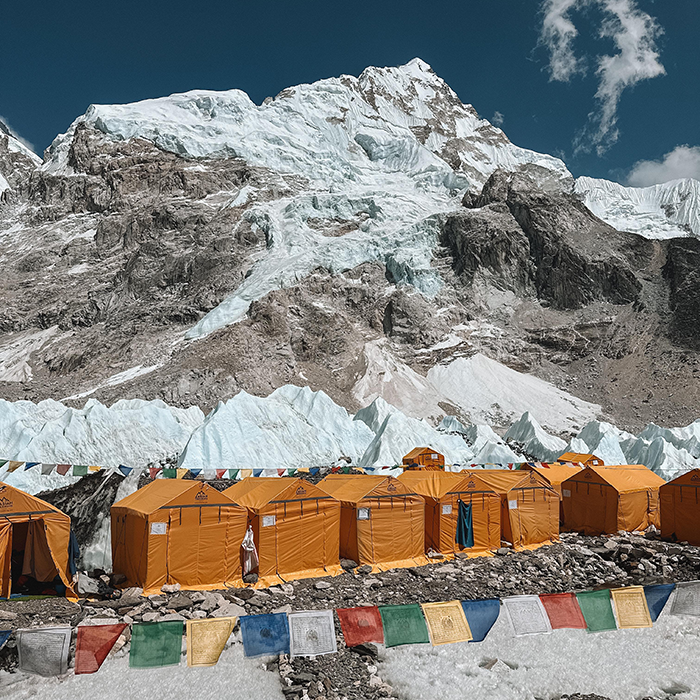
In the afternoon, you'll head to Everest Base Camp, where the famous base camp sits at the foot of the world’s highest peak. Standing here, amidst the climbers and trekkers, you'll feel a sense of immense achievement and awe as you gaze up at the towering peaks of Everest and the surrounding icefall. After soaking in the breathtaking views and taking photos, you'll return to Gorak Shep to rest. This day is both physically demanding and emotionally rewarding, offering a unique opportunity to stand at one of the most iconic locations on the planet.
We start the climb very early in the morning with a cup of hot tea or some soup in order to see the sunrise from the top of the Kalapatthar. The trial contrasts and incredible vistas. The day begins with an early morning hike to Kala Patthar, renowned for its panoramic sunrise views of Everest and the surrounding peaks. The climb to Kala Patthar is steep, but the reward is worth every effort. As the sun rises, you’ll witness a breathtaking display of light and shadow across the Himalayas, with Everest towering majestically before you.
After soaking in the views and taking photos, you’ll descend back to Gorak Shep for breakfast before embarking on the trek to Dzongla. The trail from Gorak Shep to Dzongla is a journey through high-altitude landscapes, crossing rocky terrains and enjoying views of the surrounding peaks. Dzongla is a quiet, scenic spot where you’ll be able to rest and acclimate further. This day combines the awe-inspiring heights of Kala Patthar with the serene beauty of Dzongla, providing a memorable and rewarding trekking experience.
Even though we have left Everest in the past, the sights today are breathtaking. This day's activity is a demanding yet spectacular part of your trek, featuring the challenging crossing of Cho La Pass. The day starts with a steep ascent from Dzongla, as you make your way towards Cho La. The trail is often icy and rugged, requiring careful navigation, but the views of the surrounding peaks and glaciers are truly rewarding.
Reaching the top of Cho La Pass, you'll be greeted by sweeping vistas of the Himalayas, including stunning views of Everest, Lhotse, and the surrounding mountains. The descent from the past is equally scenic, with the path leading through a beautiful alpine landscape. As you descend, you’ll cross glacial streams and rocky paths, eventually arriving at Tangnak. Tangnak is a tranquil spot located near the Gokyo Lakes, offering stunning views of the peaks and a serene environment for rest. The trek through Cho La Pass is physically challenging but offers some of the most memorable high-altitude scenery of the entire trek.
Taking you to the picturesque village of Gokyo, day 13 marks as the highlight of the trek. The journey starts with a relatively gentle ascent from Thangnak, passing through a landscape dotted with glacial lakes and rugged terrain. The trail offers stunning views of the Gokyo Lakes, a series of turquoise lakes set against a backdrop of towering peaks.
As you approach Gokyo, you'll be greeted by the stunning scenery of the Gokyo Valley and the impressive Ngozumpa Glacier, one of the longest glaciers in the Himalayas. Gokyo itself is a charming village with several lodges where you can rest and enjoy the breathtaking surroundings. The clear, crisp air and the serene beauty of the lakes and peaks make this a perfect place to acclimate and prepare for the trek to the next pass. This day combines relatively easy trekking with some of the most beautiful high-altitude landscapes you’ll encounter, making it a memorable and enjoyable part of your journey.
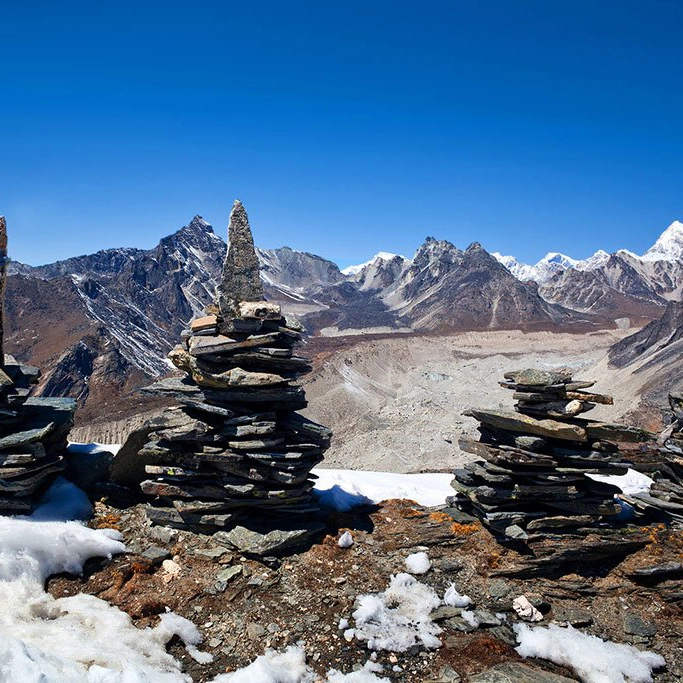
This is a day of relaxation and exploration in the stunning Gokyo Valley. We will climb up the difficult trail in the early morning for around two hours to reach Gokyo Ri (5,360m). From the summit of the Gokyo Ri, you will enjoy beautiful view of a sunrise on the top of the mountain transforming into golden color. From the summit, one can see the four tallest mountains in the world, including Mount Everest (8,848 meters), Cho-Oyu (8,153 meters), Lhotse (8,516 meters), and Makalu (8,463 meters), among many more. Enjoy this memories and the view from the summit of the Gokyo Ri forever. We'll spend the night in the tea house.
The main day of the hike is an adventurous and scenic part of your trek, featuring the crossing of Renjo La Pass, one of the three major passes of the Everest Three Pass Trek. The day begins with a steady climb from Gokyo towards the Renjo La Pass. The ascent is challenging, but as you reach the pass, you’ll be rewarded with spectacular panoramic views of Everest, Makalu, and the surrounding peaks, as well as the vast expanse of the Rolwaling Valley.
The descent from Renjo La Pass takes you through rugged and often rocky terrain, gradually leading into the lush and scenic valley towards Lungden. Lungden is a tranquil village offering a serene environment for rest and reflection. The trek from the pass to Lungden is longer and can be physically demanding, but the stunning views and the sense of accomplishment make it worthwhile. This day combines the thrill of crossing a high pass with the beauty of descending into a peaceful village, providing a memorable and rewarding trekking experience.
We are approaching Nangpa Valley from below. A delightful journey through the scenic beauty and cultural richness of the Everest region. As you trek from Lungden to Thame, you'll traverse through traditional Sherpa villages and picturesque landscapes. The trail initially descends through lush forests and terraced fields, offering beautiful views of the surrounding mountains and valleys.
The trek to Thame is relatively moderate, allowing you to enjoy the peaceful environment and the charm of the local Sherpa culture. Thame is a quaint village renowned for its historical and cultural significance. It is home to one of the oldest monasteries in the region, where you can immerse yourself in the local Buddhist traditions. The village’s serene setting and the friendly locals make it a perfect place to relax and reflect on your trekking journey. This day provides a wonderful blend of natural beauty and cultural exploration, rounding off your trek in a tranquil and meaningful way.
Day 17 offers a pleasant and scenic trek from Thame to Manjo, a charming village located on the outskirts of the Sagarmatha National Park. The trail gradually descends through lush forests and traditional Sherpa villages, providing a relaxed pace after the high-altitude challenges of the past days.
As you trek, you’ll pass through vibrant terraced fields and along the banks of the Dudh Koshi River. The changing landscapes offer a refreshing contrast to the rugged high-altitude terrain you’ve encountered. Manjo, with its scenic views and serene environment, serves as a lovely place to unwind. It’s an ideal spot to reflect on your journey and enjoy the tranquility of the region before heading back to the more bustling areas.
This day’s trek is designed to ease your transition from the higher altitudes back to lower elevations, setting you up for the final leg of your adventure with a relaxed and enjoyable walk-through beautiful landscapes.
After a long walk we'll have long last trek back to Lukla today. This day marks the final leg of your trek, taking you from the serene village of Manjo back to Lukla. The trail offers a pleasant descent through the beautiful landscapes of the Everest region, with a mix of lush forests, charming villages, and scenic river valleys.
As you make your way to Lukla, you’ll retrace some of the paths you took at the beginning of your journey, providing a nostalgic reflection on the adventure you’ve just completed. The trek is relatively straightforward and gives you a chance to savor the last views of the majestic mountains you’ve grown accustomed to.
Upon reaching Lukla, you'll have the opportunity to celebrate your accomplishments with your trekking team and fellow travelers. Enjoy a well-deserved rest and perhaps a final meal together in the bustling town. Lukla, with its vibrant atmosphere, provides a fitting end to your trekking adventure, allowing you to unwind and prepare for your flight back to Kathmandu.
We will fly back to Kathmandu according to our time and now your Everest Base Camp Trek, marking the final leg of your adventure, marking your return to Kathmandu after an incredible trek. The day begins with an early morning flight from Lukla to Kathmandu. The short but thrilling flight offers one last opportunity to take in the stunning Himalayan views from the air. As your aircraft navigates through the mountainous terrain, you’ll be treated to breathtaking vistas that provide a fitting end to your trekking experience.
Upon arriving in Kathmandu, you’ll have the rest of the day to relax and unwind. You can explore more of the city, shop for souvenirs, or simply enjoy some well-deserved rest. This is also a great time to reflect on your journey and share stories with fellow trekkers. In the evening, consider joining a farewell dinner to celebrate your accomplishments and the friendships you’ve made along the way. Your time in Kathmandu offers a perfect blend of relaxation and cultural exploration before you head home.
The final day is the culmination of your Everest Three Pass Trek adventure, marking the end of your journey. Depending on your flight schedule, you’ll have some time in the morning to make any final preparations or last-minute explorations in Kathmandu.
If time permits, you might visit a local café for a final taste of Nepalese cuisine or pick up any last souvenirs. Your hotel will assist with transportation to the airport, ensuring you have a smooth and stress-free departure.
As you reflect on your remarkable journey, filled with breathtaking landscapes, challenging passes, and unforgettable experiences, you'll prepare for your flight back home. This final day is a bittersweet moment—saying goodbye to Nepal and the friends you’ve made but taking with your memories and stories that will last a lifetime. Safe travels and may the spirit of the Himalayas stay with you long after you’ve left.
Cost Include
Cost Exclude
gallery and videos
 Additional Information
freqeuntly asked question
enquiry for further inforamtion
package reviews and rating
write reviews
 Group Join Discount
| Nos Of Persons | price per person |
|---|---|
| 1 persons | US$ 1999 |
| 2 persons | US$ 1899 |
| 3-5 persons | US$ 1859 |
| 6-9 persons | US$ 1799 |
| 10-15 persons | US$ 1759 |
| 16+ persons | US$ 1699 |
upcomming fixed departure
| Trip | Departure Date | Price | Trip Status | Action |
|---|---|---|---|---|
| 1. Everest Three Pass Trek 20 Days | 2026-04-22, 19 days | US$ 2000 |
UpComming Fixed Departure
offered features

Selling Expedition
showing varified reviews